
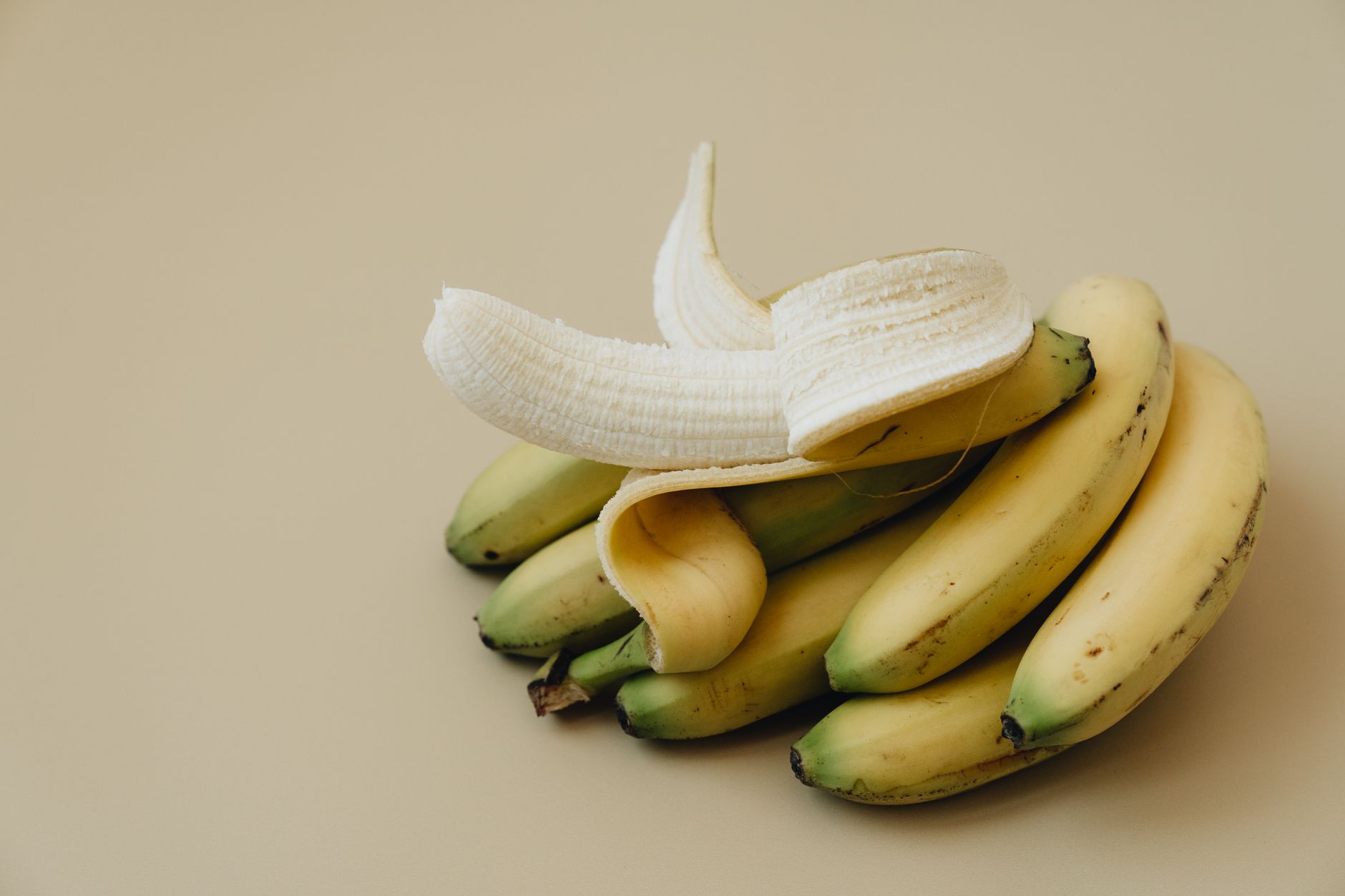
Bananas are often celebrated for their convenient packaging and natural sweetness, making them a popular snack choice. But beyond their delightful taste and ease of consumption, many individuals wonder about their nutritional content, specifically fiber. Understanding the fiber content in bananas can help you make informed dietary choices.
This article will explore whether bananas contain fiber, delve into their nutritional facts, discuss the serving sizes, and provide tips on incorporating them into your diet for additional health benefits.
Does a Banana Have Fiber?
Yes, bananas do have fiber. A medium-sized banana (approximately 118 grams) contains about 3.1 grams of dietary fiber. This fiber is beneficial for digestive health and can aid in regulating blood sugar levels and promoting overall wellness.
The Nutritional Profile of Bananas
To fully appreciate the fiber content in bananas, it is essential to look at their entire nutritional profile. Here’s a breakdown of the typical nutritional values for a medium banana:
- Calories: 105
- Carbohydrates: 27 grams
- Dietary Fiber: 3.1 grams
- Sugars: 14 grams
- Protein: 1.3 grams
- Fat: 0.3 grams
- Vitamin C: 17% of the Daily Value (DV)
- Vitamin B6: 20% of the DV
- Potassium: 12% of the DV
This nutrient dense fruit is not only a good source of fiber, but it also provides essential vitamins and minerals which contribute to overall health.
Types of Fiber in Bananas
Bananas contain two main types of dietary fiber: soluble and insoluble fiber. Each type has distinct benefits for health.
Soluble Fiber
Soluble fiber dissolves in water to form a gel-like substance. This type of fiber can help lower blood cholesterol levels and stabilize blood sugar levels. Bananas specifically contain pectin, which is a form of soluble fiber that can aid in digestion.
Insoluble Fiber
Insoluble fiber does not dissolve in water and adds bulk to stool, aiding in regular bowel movements. This can help prevent constipation and promote gut health. The fiber found in the skin of bananas contributes to its insoluble fiber content.
Health Benefits of Fiber in Bananas
Incorporating bananas into your diet can yield numerous health benefits, primarily due to their fiber content:
- Improved Digestion: The fiber in bananas aids digestion by promoting regular bowel movements and preventing constipation.
- Weight Management: High fiber foods can help you feel fuller longer, aiding in weight management by reducing overall calorie intake.
- Heart Health: Soluble fiber can help lower cholesterol levels, which can reduce the risk of heart disease.
- Blood Sugar Control: The fiber in bananas can moderate blood sugar spikes, making them a smart choice for individuals monitoring their blood sugar levels.
- Gut Health: A healthy supply of dietary fiber can support a healthy gut microbiome, which is essential for overall health.
Serving Sizes and Recommendations
When considering bananas as a fiber source, serving size is important for achieving the desired nutritional benefits. A medium banana provides 3.1 grams of fiber, but how many should you consume in a day?
- Aim for at least one banana daily for a convenient source of fiber.
- Pair bananas with other fiber-rich foods such as oats, almond butter, or yogurt to enhance fiber intake.
- While bananas are nutritious, it’s essential to maintain variety in your diet, including other fruits and vegetables, legumes, and whole grains for a well-rounded fiber intake.
How to Incorporate Bananas into Your Diet
Bananas are not only delicious but are also versatile, easily fitting into various meal types throughout the day:
Breakfast
Add sliced bananas to your morning oatmeal, overnight oats, or yogurt parfaits. They can also be blended into smoothies for a creamy texture and natural sweetness.
Snacks
Enjoy a whole banana as a satisfying snack on its own or pair it with nut butter or dark chocolate for an extra flavor boost.
Desserts
Use ripe bananas for baking. They can be mashed into banana bread, muffins, or pancakes, adding both flavor and moisture. Check out our article on how to make banana bread for a delicious recipe.
Salads
For a twist, slice bananas into fruit salads or green salads to add sweetness and texture.
Practical Tips for Selecting and Storing Bananas
Here are some practical tips to keep in mind when it comes to selecting and storing bananas:
Selecting Bananas
- Choose bananas that are firm and free from bruises or dark spots for optimal freshness.
- Green bananas will ripen over time at room temperature. If you prefer them less ripe, store them in a cooler place.
- Avoid bananas with excessive soft spots, as this indicates overripeness. However, these can be used for baking purposes.
Storing Bananas
- Store bananas at room temperature away from direct sunlight.
- Do not refrigerate unripe bananas, as cold temperatures inhibit ripening. However, once ripe, you can refrigerate them to prolong freshness; the skin may darken but the fruit will remain good.
- To prevent bananas from overripening, consider wrapping the stems in plastic wrap. This reduces ethylene gas exposure, slowing the ripening process.
Common Banana Misconceptions
There are a few misconceptions regarding bananas and their nutritional content that should be addressed:
Bananas Are Too High in Sugar
While bananas do contain natural sugars, their fiber content helps to balance out the sugar’s effect on blood sugar levels. Consuming whole fruits, including bananas, is beneficial when compared to processed sugary snacks.
All Bananas Have the Same Nutritional Content
It’s important to note that the nutritional content can vary among banana varieties. For example, plantains (a starchy banana variety) have a different nutrient profile compared to Cavendish bananas, which are the most commonly consumed variety. Plantains are typically lower in sugar and can be cooked rather than eaten raw.
Recipe Ideas Featuring Bananas
Here are a few simple ideas for incorporating bananas into your meals:
- Banana Smoothie: Blend ripe bananas with yogurt, milk (dairy or plant-based), a handful of spinach, and a tablespoon of peanut butter for a nutritious smoothie.
- Banana Oatmeal: Cook oats and mix in sliced bananas, a dash of cinnamon, and a drizzle of honey for a hearty breakfast.
- Banana Muffins: Use mashed bananas in a muffin recipe to add natural sweetness and moisture—perfect for breakfast or snacks.
Potential Health Risks and Considerations
While bananas are a nutritious choice, it’s important to be mindful of portion sizes.
- For individuals adhering to a low-carb diet, consider the carbohydrate content and adjust consumption accordingly.
- Individuals with specific gastrointestinal conditions should consult with a healthcare professional regarding fiber intake.
Wrapping Up
Bananas are a delicious, versatile fruit that provides not only essential nutrients but also a considerable amount of dietary fiber beneficial for digestive health. Incorporating bananas into your meals and snacks can enhance your fiber intake while offering a variety of flavors and textures to enjoy.
For more information on the fiber content in bananas, check out how much fiber is in a banana. If you’re interested in a delicious recipe, visit how to make banana bread to get started on a yummy baked treat.