
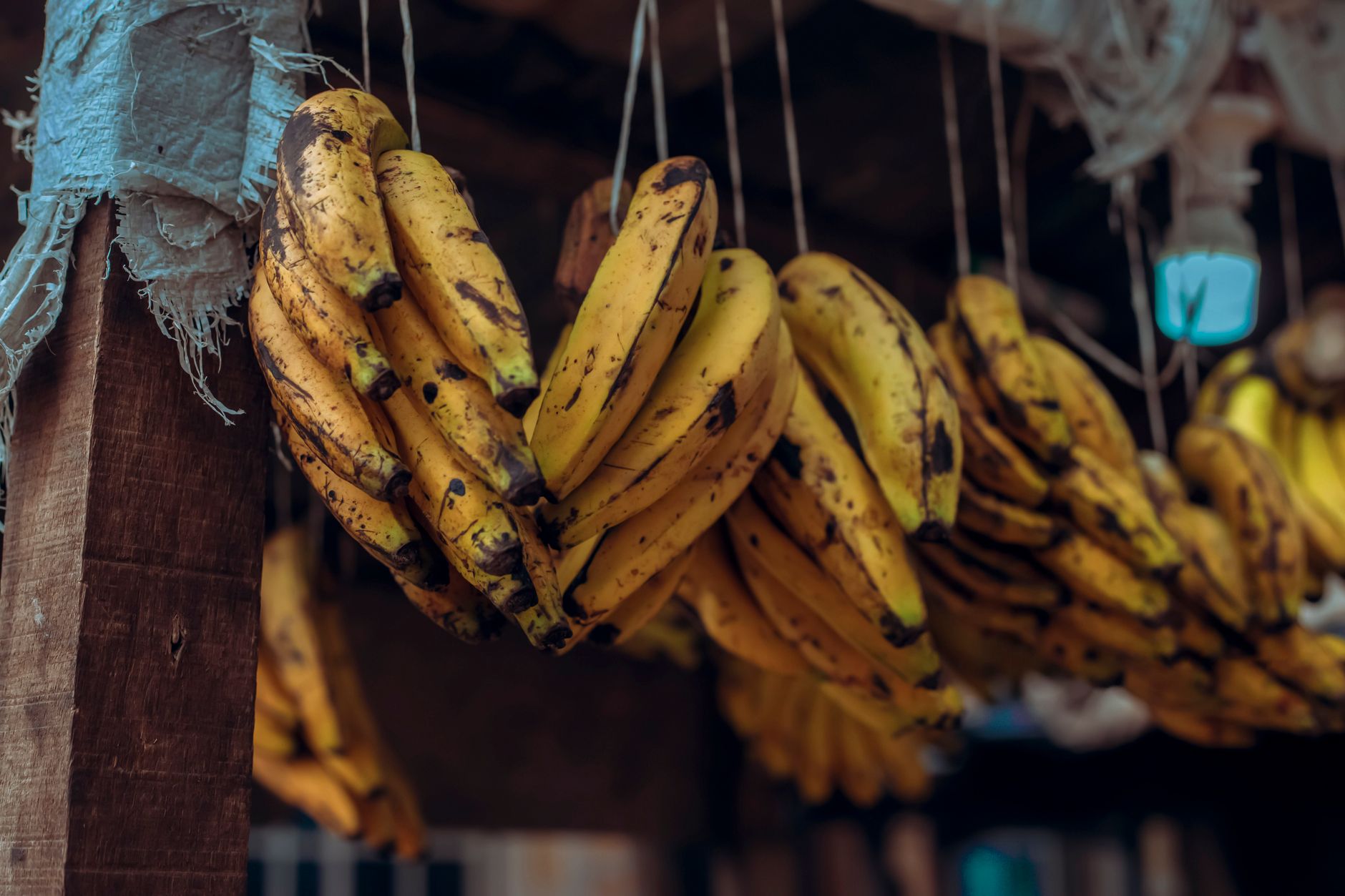
Bananas are a beloved fruit known for their convenience, natural sweetness, and nutritional benefits. Many people enjoy them as a quick snack or add them to smoothies, desserts, and breakfast dishes. If you’re watching your carbohydrate intake or simply curious about the nutritional content of bananas, it’s essential to understand how many carbohydrates are in a banana and what that means for your diet.
This article will explore the carbohydrate content of bananas, their nutritional profile, what factors influence this content, and practical considerations for incorporating bananas into your meals and snacks. Whether you’re counting carbs for health reasons or simply trying to make informed choices, this guide will provide you with valuable insights.
How Many Carb in a Banana?
A medium-sized banana, which is approximately 7 to 8 inches long, contains about 27 grams of carbohydrates. This includes around 3 grams of fiber, leaving approximately 24 grams of net carbohydrates. However, the exact carbohydrate content can vary based on the banana’s size and ripeness. Generally, smaller bananas will have fewer carbs, while larger ones can contain more.
The Nutritional Profile of Bananas
Aside from carbohydrates, bananas provide several other essential nutrients, making them a popular choice for a healthy snack. Here’s a breakdown of the nutritional components of a medium banana:
- Calories: 105
- Protein: 1.3 grams
- Fat: 0.3 grams
- Carbohydrates: 27 grams
- Fiber: 3 grams
- Sugar: 14 grams
- Potassium: 422 mg (12% of the daily value)
- Vitamin C: 10% of the daily value
- Vitamin B6: 20% of the daily value
The carbohydrates in bananas primarily come from sugars like glucose, fructose, and sucrose. Additionally, their fiber content contributes to satiety and digestive health, which can be beneficial for weight management and overall well-being.
Factors Influencing Carbohydrate Content
Several factors can influence the carbohydrate content of bananas:
1. Size of the Banana
The size of a banana significantly impacts its carbohydrate content. Here’s a rough estimate of carbohydrate content based on size:
- Small banana (6 inches): Approximately 23 grams of carbohydrates
- Medium banana (7-8 inches): Approximately 27 grams of carbohydrates
- Large banana (8-9 inches): Approximately 31 grams of carbohydrates
2. Ripeness
The ripeness of a banana also affects its carbohydrate content. As bananas ripen, the starches in the fruit convert to sugars. This means that a fully ripe banana will have a higher sugar content compared to a greener one, impacting the overall carbohydrate count. Green bananas may contain more resistant starch, which is a type of carbohydrate that is not fully digestible.
Incorporating Bananas into Your Diet
Bananas can be a versatile and nutritious addition to your diet. Here are some practical ways to include them while being mindful of carbohydrate intake:
1. Enjoy Them Fresh
The simplest way to enjoy bananas is to eat them raw as a snack. Pair them with a handful of nuts for a balanced snack that provides healthy fats and protein.
2. Add to Smoothies
Bananas blend beautifully into smoothies, adding natural sweetness and creaminess. Combine a banana with spinach, a scoop of protein powder, and almond milk for a nutritious breakfast or post-workout drink.
3. Use in Baking
Bananas can act as a natural sweetener and moisture enhancer in baked goods. Consider substituting mashed bananas in muffins, bread, and pancakes. This not only adds flavor but can also reduce the need for added sugars.
4. Make Banana Ice Cream
Frozen bananas can be blended to create a creamy, healthy ice cream alternative. Simply slice and freeze overripe bananas, then blend until smooth for a delicious treat.
Bananas as Part of Meal Planning
When meal planning, consider how bananas can complement your meals and snacks throughout the week:
1. Breakfast Ideas
Integrate bananas into your breakfast routines by adding them to oatmeal, yogurt parfaits, or whole-grain cereals. Their natural sweetness can help cut down on added sugars.
2. Lunch Additions
Slice bananas onto whole-grain toast with almond or peanut butter for a satisfying lunch option. The combination of whole grains, healthy fat, and fiber will help keep you full.
3. Healthy Snacks
Pack banana slices with nut butter or enjoy with cheese for a nutrient-dense snack that provides carbohydrates, protein, and healthy fats.
4. Post-Workout Fuel
After a workout, bananas can quickly replenish glycogen stores due to their carbohydrate content. Pair them with a protein source, such as a hard-boiled egg or protein smoothie, for optimal recovery.
Practical Considerations for Bananas
Though bananas are nutritious, it’s essential to consume them mindfully, especially if you are following a low-carb diet. Here are some considerations:
1. Monitor Portions
Be mindful of your portion sizes if you’re tracking carbohydrates closely. A medium banana is around 27 grams, but smaller amounts can still bring health benefits. If you prefer smaller servings, consider half a banana or using them in recipes rather than eating one whole.
2. Balance with Other Foods
To ensure a balanced diet, pair bananas with foods high in protein and healthy fats. This can help stabilize blood sugar levels and prolong satiety.
3. Consider Allergies
Although rare, some individuals may have a banana allergy. If you experience symptoms such as itching, swelling, or abdominal discomfort after consuming bananas, consult a healthcare professional.
4. Storage Tips
To keep bananas fresh, store them at room temperature until they reach the desired ripeness. Once ripe, they can be placed in the refrigerator. This may cause the skin to turn brown, but the fruit inside will remain fresh.
Common Misconceptions About Bananas
A few common myths and misconceptions surround bananas and their carbohydrate content:
1. High Sugar Content
Many people mistakenly believe that bananas are too high in sugar to be healthy. While they do contain sugars, bananas also provide fiber, vitamins, and minerals that contribute to overall health.
2. Only for Athletes
While bananas are often associated with athletic performance, they can be beneficial for everyone. Their nutrient profile makes them suitable for individuals of all activity levels in need of a quick energy boost.
3. Not Suitable for Weight Loss
Some believe that bananas should be avoided when trying to lose weight due to their carbohydrates. However, as part of a balanced diet, they can be included in moderation without hindering weight-loss efforts.
Conclusion
Bananas are a nutritious and versatile fruit that provides a significant source of carbohydrates, making them a great energy booster in moderation. Understanding the carbohydrate content and incorporating bananas into your meals and snacks can contribute to a balanced diet. Whether enjoyed fresh, blended in smoothies, or baked in treats, bananas can fit into various dietary preferences and needs.
For more information on fiber content in bananas, check out our guide on how much fiber in banana or learn about where bananas come from. Both of these guides will enhance your understanding and appreciation of this popular fruit.