
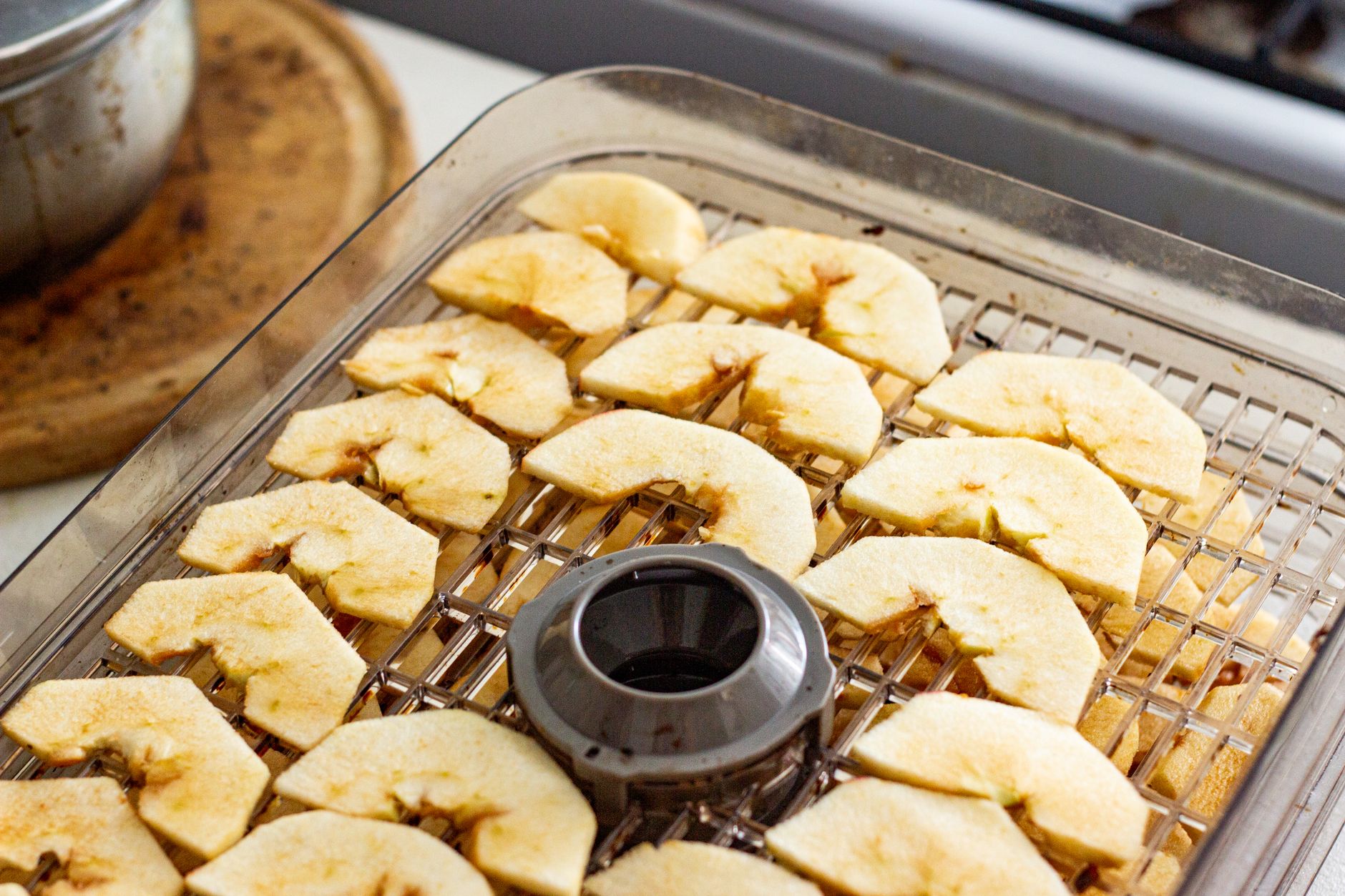
Dehydrating chicken is a smart technique that allows you to extend the shelf life of your poultry while preserving its flavor and nutrients. This process is particularly useful for creating lightweight, portable snacks or adding to meals like soups and casseroles. In this comprehensive guide, we will explore the methods, safety tips, and creative ways to use dehydrated chicken in your kitchen.
Whether you’re an avid camper looking for easy meal solutions or simply want to make the most of your groceries, understanding how to dehydrate chicken can enhance your cooking repertoire. Let’s dig into the details of dehydrating chicken, from preparation to storage and usage.
Can You Dehydrate Chicken?
Yes, you can dehydrate chicken! Dehydrating chicken involves removing moisture to inhibit the growth of bacteria and prolong its shelf life. This method not only provides a convenient storage solution but also creates a concentrated flavor profile that can enhance various dishes.
Benefits of Dehydrating Chicken
Dehydrating chicken offers multiple advantages:
- Long Shelf Life: Dehydrated chicken can last for months, making it ideal for emergency food supplies or camping trips.
- Space-Saving: Removing moisture allows you to store chicken in smaller containers, freeing up space in your freezer or pantry.
- Versatile Ingredient: Dehydrated chicken can be easily rehydrated and used in soups, stews, salads, or as a protein-rich snack.
Preparing Chicken for Dehydration
Proper preparation is key to successful dehydration. Here’s how to prepare chicken for the process:
1. Selecting the Right Chicken
Choose chicken with minimal fat content, as fat can go rancid and affect the quality of the dehydrated chicken. Skinless chicken breasts or tenderloins work best for dehydration.
2. Cooking the Chicken
While you can dehydrate raw chicken, cooking it first ensures that harmful bacteria are eliminated. Here are the steps for cooking chicken:
- Preheat your oven to 350°F (175°C).
- Season the chicken with your preferred spices and herbs. Simple salt and pepper are effective, but feel free to experiment.
- Place the chicken in a baking dish and cook for about 25-30 minutes or until the internal temperature reaches 165°F (74°C).
- Remove from the oven and let the chicken cool for a few minutes before shredding or cutting it into small pieces.
3. Cutting and Shredding
Once the chicken has cooled, shred or cut it into small uniform pieces. Smaller pieces dehydrate more evenly and thoroughly. Aim for sizes no larger than 1 inch to ensure even drying.
The Dehydration Process
There are several methods for dehydrating chicken, including using a food dehydrator, an oven, or an air fryer. Each method has its unique advantages. Below, we’ll cover the most popular methods.
1. Using a Food Dehydrator
Food dehydrators are specifically designed for this purpose and can make the process more efficient:
- Set your dehydrator to 155°F (68°C).
- Spread the chicken pieces evenly on the dehydrator trays, making sure to leave space between the pieces.
- Dehydrate for 6-8 hours, checking periodically. The chicken should be dry, firm, and devoid of moisture.
2. Using an Oven
If you don’t have a dehydrator, your oven can do the trick:
- Preheat your oven to its lowest setting, typically around 150°F (65°C).
- Arrange the chicken pieces on a baking sheet lined with parchment paper.
- Leave the oven door slightly ajar to allow moisture to escape.
- Dry the chicken for 6-8 hours, rotating trays if necessary. The chicken should be completely dry and break easily when bent.
3. Using an Air Fryer
Air fryers can also effectively dehydrate chicken, albeit in smaller batches:
- Set the air fryer to the dehydrating setting, typically around 160°F (70°C).
- Place the chicken in a single layer in the basket, ensuring air circulation.
- Dehydrate for 4-6 hours, checking periodically until fully dry.
Testing for Doneness
To ensure that the chicken is properly dehydrated, break a piece in half. There should be no moisture visible, and it should feel dry to the touch. Properly dehydrated chicken should also exhibit a brittle texture; if it bends without breaking, it requires more drying time.
Storage of Dehydrated Chicken
Proper storage is crucial to maintaining the quality of dehydrated chicken:
- Once the chicken is fully cooled, store it in airtight containers such as vacuum-sealed bags or glass jars with tight-fitting lids.
- Keep the containers in a cool, dark place, ideally a pantry or cupboard.
- Dehydrated chicken can last up to 1 year when stored properly.
Rehydrating Dehydrated Chicken
When you’re ready to use your dehydrated chicken, you’ll need to rehydrate it:
- Add the dehydrated chicken to a bowl and cover it with hot water or broth. The liquid should cover the chicken entirely.
- Let it soak for 15-30 minutes until it absorbs the liquid and returns to its original texture.
- Drain any excess liquid and it’s ready to use in your favorite recipes!
Creative Uses for Dehydrated Chicken
Dehydrated chicken can be used in a variety of dishes, adding flavor and protein without taking up much space:
1. Soups and Stews
Rehydrated chicken can enhance soups and stews, providing a quick protein source without extra cooking.
2. Salads
Add dehydrated chicken to salads for a protein boost. Simply rehydrate it and toss it with your greens and dressing.
3. Chicken Snacks
Seasoned and dehydrated chicken can be enjoyed as a protein-rich snack, similar to jerky. It’s perfect for hiking or travel.
4. Casseroles
Incorporate dehydrated chicken into casseroles for added heartiness. It rehydrates beautifully in the cooking process.
5. Trail Mix
Mix dehydrated chicken with nuts and dried fruits for a savory trail mix. A unique twist for your outdoor adventures!
Common Mistakes When Dehydrating Chicken
Avoid these pitfalls to achieve the best results when dehydrating chicken:
- Not Cooking Thoroughly: Always ensure chicken reaches an internal temperature of 165°F (74°C) to eliminate bacteria.
- Overcrowding the Dehydrator: Make sure to provide adequate space between chicken pieces for even drying.
- Inadequate Drying Time: Ensure the chicken is completely dry to prevent spoilage during storage.
- Improper Storage: Store dehydrated chicken in airtight containers away from light and moisture to prolong shelf life.
Frequently Asked Questions
Can I dehydrate cooked chicken with sauce or flavorings?
While you can dehydrate cooked chicken with sauces or flavorings, be cautious as these can impact the drying process and shelf life. A light application of seasoning or marinades before cooking often works best.
Is it safe to eat dehydrated chicken directly?
Yes, dehydrated chicken can be eaten directly; however, it’s best enjoyed after rehydrating to restore its texture and moisture.
What happens if I don’t dry the chicken completely?
Not drying the chicken completely can lead to spoilage, as remaining moisture promotes bacterial growth. It’s essential to ensure proper dehydration for safe consumption.
Can I use frozen chicken for dehydrating?
Yes, you can dehydrate frozen chicken. However, it should be thawed, cooked, and cooled before proceeding with the dehydrating process.
Conclusion
Dehydrating chicken is a practical skill that enhances meal preparation and storage options. By following the steps outlined in this guide, you can preserve chicken for extended periods while enjoying its rich flavor in a variety of dishes. Start dehydrating today and discover the versatility of this convenient method!
For more tips on food storage, check out our guide on how long does cooked chicken last and explore our homemade chicken stock recipe for delicious flavoring options.