
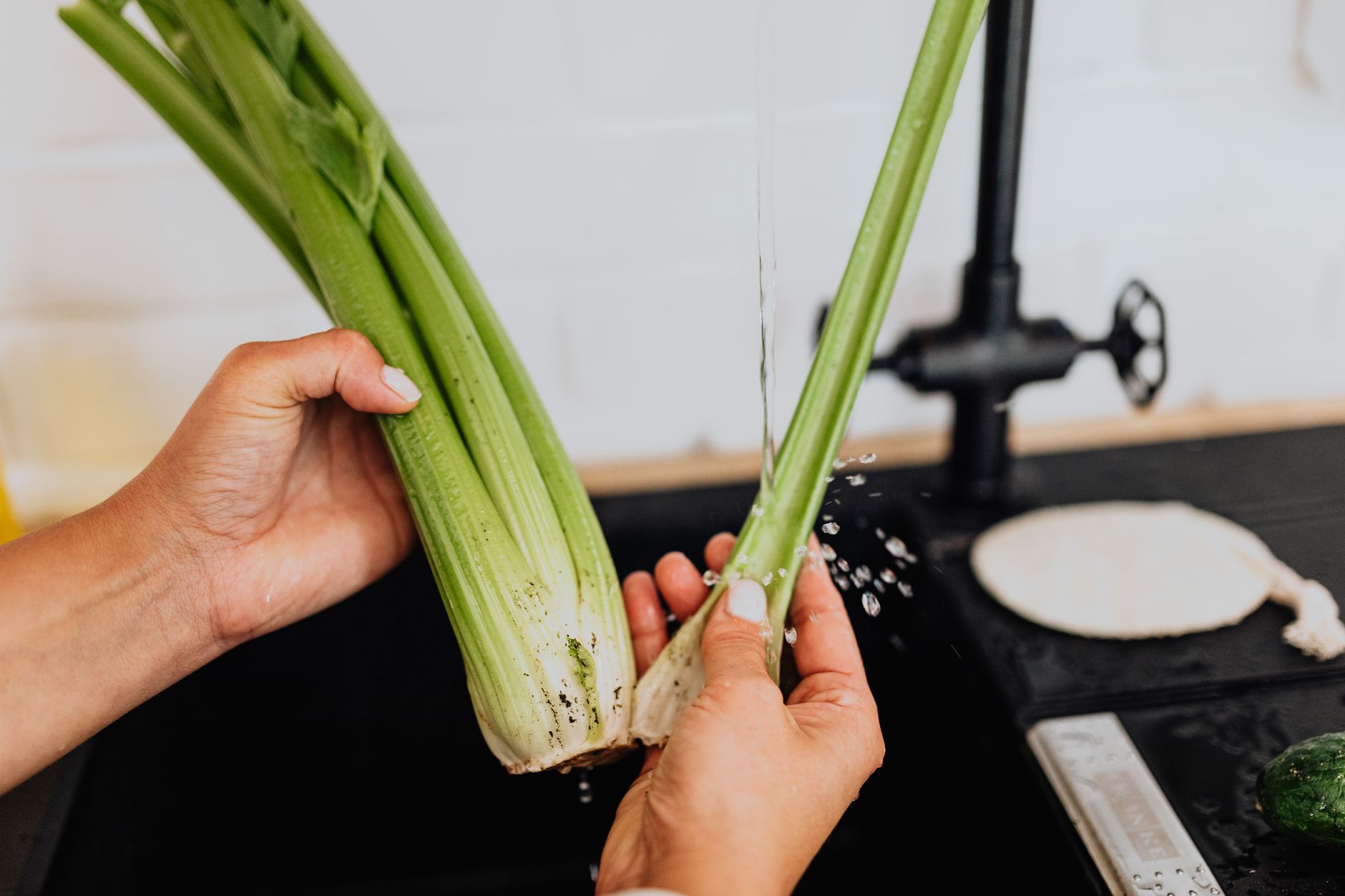
Celery is a popular vegetable often celebrated for its crisp texture and refreshing flavor. Commonly used in salads, soups, and as a snack, many people are curious about its nutritional content, particularly calorie count. Understanding the calorie content of celery can help in meal planning and maintaining a balanced diet.
In this article, we will dive deep into the caloric value of celery, its nutritional benefits, how it’s commonly used in meals, and practical tips for incorporating more celery into your diet.
How Many Calories Are In Celery?
A medium stalk of celery (approximately 40 grams) contains about 6 calories. This low calorie content makes celery an appealing option for those looking to maintain or lose weight while still incorporating a variety of flavors and textures into their meals.
Celery is approximately 95% water, contributing to its low calorie count. This makes it a great food choice for hydration as well. The overall offer of vitamins and minerals paired with minimal calories makes celery a valuable addition to your diet.
Nutritional Profile of Celery
Besides being low in calories, celery also offers a host of nutrients that can support overall health. Below are key components and nutritional values found in a 100-gram serving of raw celery:
- Calories: 16
- Carbohydrates: 3 grams
- Protein: 0.7 grams
- Fat: 0.1 grams
- Dietary fiber: 1.6 grams
- Vitamin K: 29.3 mcg (24% of the Daily Value)
- Vitamin C: 3.1 mg (3% of the Daily Value)
- Potasium: 260 mg (6% of the Daily Value)
Health Benefits of Celery
Incorporating celery into your diet not only adds flavor and crunch but also comes with several health benefits:
1. Low in Calories
This depends on volume; due to its low calorie density, celery can be eaten in generous portions, providing fullness with fewer calories.
2. Rich in Antioxidants
Celery contains antioxidants such as flavonoids, which help combat oxidative stress and inflammation in the body.
3. High Water Content
Its high water content promotes hydration and can aid in managing weight.
4. Supports Digestive Health
With significant fiber content, celery aids digestion and helps keep the gastrointestinal system healthy.
5. Potential Heart Health Benefits
Research suggests that compounds found in celery may help lower blood pressure and cholesterol levels, benefiting heart health.
Uses of Celery in Cooking
Celery is extremely versatile and can be utilized in various culinary applications:
1. Raw Snacking
Celery sticks serve as a crunchy, low-calorie snack option. Pair them with hummus, peanut butter, or cream cheese for added flavor and nutrition.
2. Soups and Stews
Chopped celery is a classic addition to soups and stews, providing flavor alongside other vegetables such as carrots and onions.
3. Salads
Add diced celery to green salads, pasta salads, or bean salads for a satisfying crunch and nutritious boost.
4. Juicing
Celery juice has gained popularity in recent years for its hydrating qualities. It can be used alone or blended with other veggies and fruits for a nutritious drink.
5. Flavoring in Dishes
Celery can be used as a flavor base for many dishes, helping to add depth to sauces, stocks, and braises.
Cooking Techniques for Celery
While celery can be enjoyed raw, cooking can bring out its sweetness and enhance its flavor. Here are some popular cooking techniques:
1. Sautéing
Sauté celery in olive oil or butter to soften it while enhancing its natural flavors. Sauteed celery is a perfect addition to stir-fries and pasta dishes.
2. Braising
Braising celery slowly in a flavorful liquid can create a tender, deeply flavored side dish.
3. Roasting
Roasting celery enhances its sweetness and brings out a delicious caramelized flavor. Simply toss with olive oil, salt, and pepper, then roast until tender.
4. Boiling
Boiling celery briefly can soften it for use in softer dishes or purees, although it may lose some nutrients in the process.
Substitutions for Celery
If you find yourself in need of a substitution for celery, consider the following options:
- Carrots: Chopped carrots can substitute in salad and stews, providing similar crunch and sweetness.
- Cucumber: For raw applications, cucumber can provide a refreshing crunch similar to celery.
- Bell Peppers: Diced bell peppers can be a colorful addition in place of celery, offering a different flavor profile.
Common Mistakes When Using Celery
Here are a few common mistakes to avoid when using celery in your cooking:
1. Overcooking
Celery can become overly soft and lose its crispness when cooked too long. Aim for a slight crunch in dishes.
2. Not Cleaning Properly
Be sure to rinse celery thoroughly to remove any dirt or pesticides, particularly since it often grows close to the ground.
3. Storing Incorrectly
Celery should be stored in the refrigerator, preferably wrapped to retain moisture. Avoid leaving it out as it can wilt quickly.
Storing and Preserving Celery
To maintain the freshness of celery, proper storage is key. Here are some practical tips:
1. Refrigeration
Wrap celery in a damp paper towel and place it in a plastic bag or a container to help keep it crisp in the fridge. It should last for up to two weeks when stored this way.
2. Freezing
While celery can be frozen, it will change in texture. To freeze, wash, chop, and blanch it for three minutes before freezing. Use it in cooked dishes for best results.
Meal Planning With Celery
Incorporating celery into meal planning can be beneficial due to its versatility and low calorie count. Here are a few meal ideas:
1. Salad Nights
Prepare a mix of chopped greens, celery, tomatoes, and cucumbers. Add your favorite protein for a filling meal.
2. Soup Batch Cooking
Make a big batch of vegetable or chicken soup incorporating celery, carrots, and onions. This can be stored and reheated for quick lunches or dinners.
3. Snack Packs
Prepare snack packs of celery with dips such as hummus or guacamole for an easy on-the-go snack option.
4. Stir-Fry Meals
Include celery in your stir-fries alongside other vegetables and protein sources for quick weeknight meals.
Conclusion
Celery is more than just a crunchy snack; it is also a low-calorie vegetable packed with essential nutrients. Its versatility allows for various culinary applications, whether consumed raw or cooked. Proper storage techniques can help maximize freshness, making it a staple in healthy meal planning.
Consider experimenting with incorporating celery into your meals; its crunchy texture can enhance salads, soups, and stir-fries. For those looking for additional meal inspirations, explore other recipes and food guides to enrich your cooking experience.
Check out the caloric breakdown of 2 scrambled eggs or discover a delicious chia pudding recipe with coconut milk to complement your meals.