
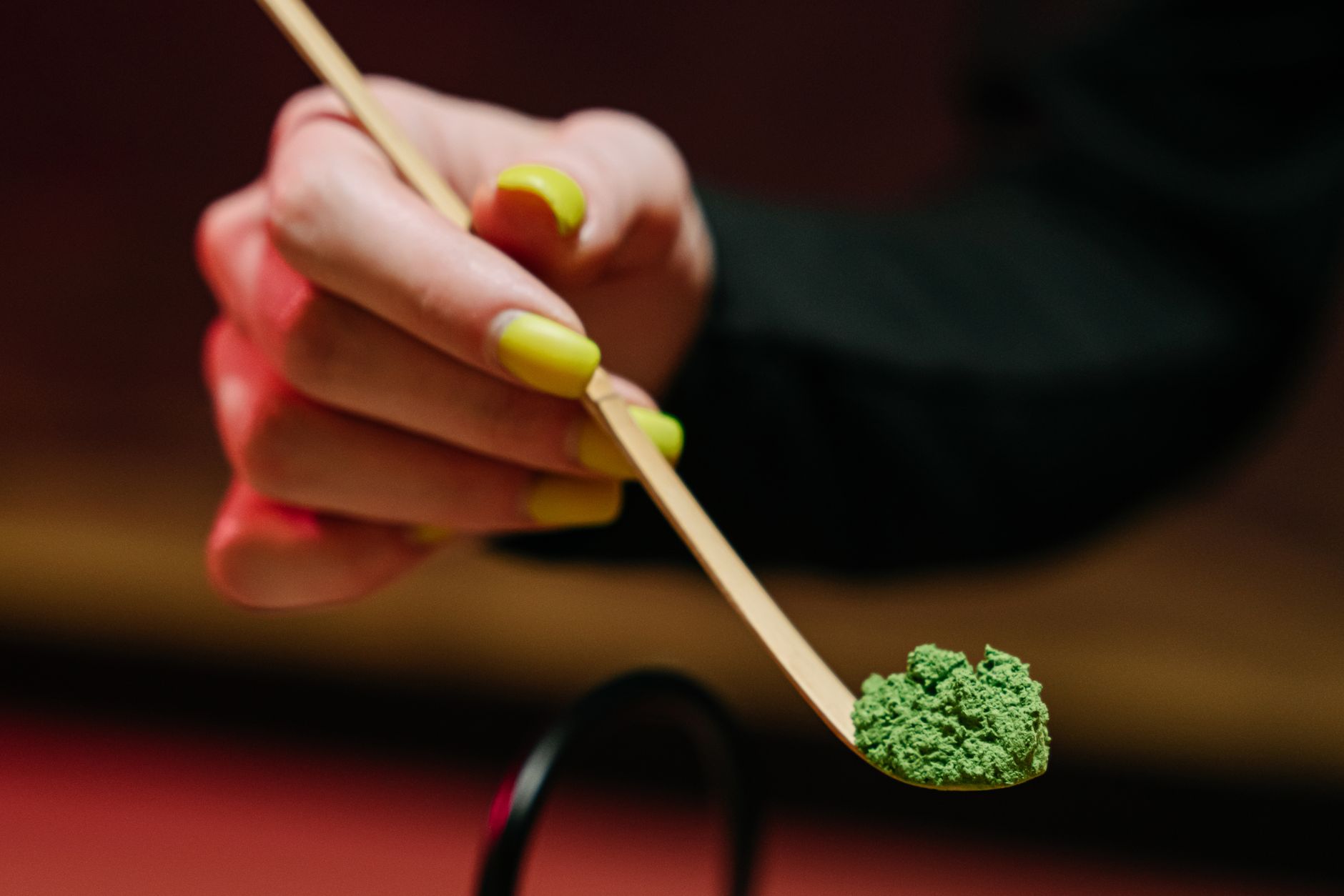
Matcha is a finely ground powder made from specially grown and processed green tea leaves, celebrated for its vibrant color, unique flavor, and health benefits. As more people explore its uses, one common question arises: does matcha contain coffee? This article dives deep into the relationship between matcha and coffee, detailing their ingredients, similarities, and practical serving tips.
Understanding the distinct characteristics of matcha and coffee can help you appreciate them both for what they bring to your diet. Here, we’ll explore matcha’s composition, its caffeine content, flavor profile, and how to enjoy it alongside or instead of coffee.
Does Matcha Have Coffee?
No, matcha does not contain coffee. Matcha is a form of green tea made from the leaves of the Camellia sinensis plant, while coffee is derived from coffee beans. Though both beverages are caffeinated, their sources, flavors, and brewing methods differ significantly.
Understanding Matcha
Matcha offers a unique flavor experience and distinct nutritional benefits. Here’s a closer look at what makes matcha special.
What is Matcha?
Matcha is a finely milled powder made from young tea leaves. Unlike traditional green tea, where leaves are steeped in water and then discarded, matcha involves consuming the whole leaf. This method maximizes its nutritional benefits and provides a more intense flavor.
The Ingredients of Matcha
The primary ingredient in matcha is the shade-grown young leaves of the tea plant. After harvesting, the leaves are steamed, dried, and then ground into a fine powder. There are no additives or fillers, making matcha a pure form of green tea.
Caffeine Content
Matcha contains caffeine, but generally less than a cup of brewed coffee. An 8-ounce serving of matcha typically contains about 70 mg of caffeine, whereas an average cup of coffee may contain 95 mg or more. This difference makes matcha a gentler source of caffeine, offering a more sustained energy boost without the jitters often associated with coffee.
Flavor Profile
Matcha has a unique flavor profile characterized by a smooth, creamy texture and a slightly sweet, earthy taste. The flavor can vary based on the quality of the matcha and the way it’s prepared. Higher-quality matcha tends to be sweeter and less bitter.
Understanding Coffee
Just as with matcha, it’s essential to understand what coffee brings to the table. Here are some of its key features.
What is Coffee?
Coffee is brewed from roasted coffee beans, which are the seeds of the Coffea plant. The beans undergo a meticulous process of harvesting, roasting, and grinding before extracting flavors through various brewing methods.
The Ingredients of Coffee
The main ingredient in coffee is coffee beans. Depending on the desired flavor and strength, different types of beans can be used, including Arabica and Robusta. Coffee can also include additives such as sugar, milk, or flavored syrups.
Caffeine Content
As noted earlier, coffee generally has a higher caffeine content than matcha. Factors such as brewing method, bean type, and serving size can influence caffeine levels, but an 8-ounce cup typically contains between 95 to 200 mg of caffeine.
Flavor Profile
Coffee’s flavor varies widely depending on the bean type, roast level, and brewing method. It can range from fruity and floral to deep and earthy. Various additives, like cream or vanilla, can further modify the taste.
Mixing Matcha and Coffee: Is it Possible?
Many enthusiasts are curious about blending matcha and coffee together. While this mixture is not traditional, it has gained popularity for those who want to enjoy the benefits of both beverages.
Benefits of Combining Matcha and Coffee
- Balanced Energy: The combination can provide a more balanced energy boost, minimizing the jittery effects of coffee.
- Enhanced Flavor: Mixing matcha with a splash of coffee creates a complex flavor profile that some people find appealing.
- Nutritional Benefits: The antioxidants found in matcha combine well with the benefits that coffee offers, including improved focus.
How to Create a Matcha Coffee Blend
To make a matcha coffee blend, you can follow these simple steps:
- Prepare matcha: Whisk 1 teaspoon of high-quality matcha powder with 2 ounces of hot water until a smooth paste forms.
- Brew coffee: Make an 8-ounce cup of your favorite coffee using your preferred brewing method.
- Mix: In a large cup, combine your brewed coffee and the prepared matcha paste. Stir until well blended.
- Sweeten (optional): Add any sweeteners, like honey or agave, and milk, if desired, to enhance the flavor.
Serving Tips for Matcha and Coffee
Whether you prefer one beverage over the other or are experimenting with mixing both, here are some serving tips to elevate your experience.
Best Times to Enjoy Matcha
- Morning Boost: Enjoy matcha in the morning for a moderate caffeine lift with a gentler effect.
- Afternoon Pick-Me-Up: A matcha latte in the afternoon can help maintain focus and energy without a caffeine crash later.
Best Times to Enjoy Coffee
- Morning Ritual: Coffee is a popular morning beverage that many people rely on for a quicker energy boost.
- After Meals: Coffee can aid digestion and make a pleasant post-meal treat.
Creative Ways to Serve Matcha
- Matcha Lattes: Combine matcha powder with frothed milk for a creamy delight.
- Ice-Cream or Smoothies: Add matcha to dairy-free ice creams or smoothies for a refreshing treat.
- Baking: Incorporate matcha powder into baked goods, like cookies or cakes, for a flavorful twist.
Creative Ways to Serve Coffee
- Add Spices: Add spices like cinnamon or nutmeg for added depth.
- Cold Brew: Experiment with cold brew coffee for a smooth, less acidic option.
- Affogato: Pour a shot of hot espresso over vanilla ice cream for a delicious dessert.
Common Mistakes When Preparing Matcha and Coffee
Both matcha and coffee can be sensitive to preparation methods. Avoid the following pitfalls:
Matcha Mistakes
- Using Hot Water: Avoid boiling water, as it can make matcha bitter. Aim for about 175°F (80°C).
- Poor Quality Matcha: Selecting low-quality matcha can result in a less flavorful drink.
Coffee Mistakes
- Over Brewing: Leaving coffee in the pot too long can make it taste bitter.
- Incorrect Grind: Using the wrong grind size for brewing can lead to undesirable flavors.
Storing Matcha and Coffee
Proper storage of matcha and coffee helps maintain their flavors and freshness. Follow these guidelines:
Storing Matcha
- Keep in an airtight container away from light and moisture.
- Store in a cool, dry place, preferably in the refrigerator for extended freshness.
Storing Coffee
- Store in an airtight container to avoid exposure to air.
- Keep in a cool, dark place, and avoid the refrigerator, as moisture can ruin the flavor.
Conclusion
Matcha and coffee are two distinct beverages that each offer unique flavors and benefits. While matcha does not contain coffee, combining them can result in a delightful shared experience for those who enjoy both. Whether you stick to one or experiment with blending, understanding each drink’s qualities will enhance your appreciation for them.
To further expand your culinary horizons, explore our matcha tiramisu recipe or try your hand at strawberry matcha, both of which highlight the versatility of this remarkable ingredient.