
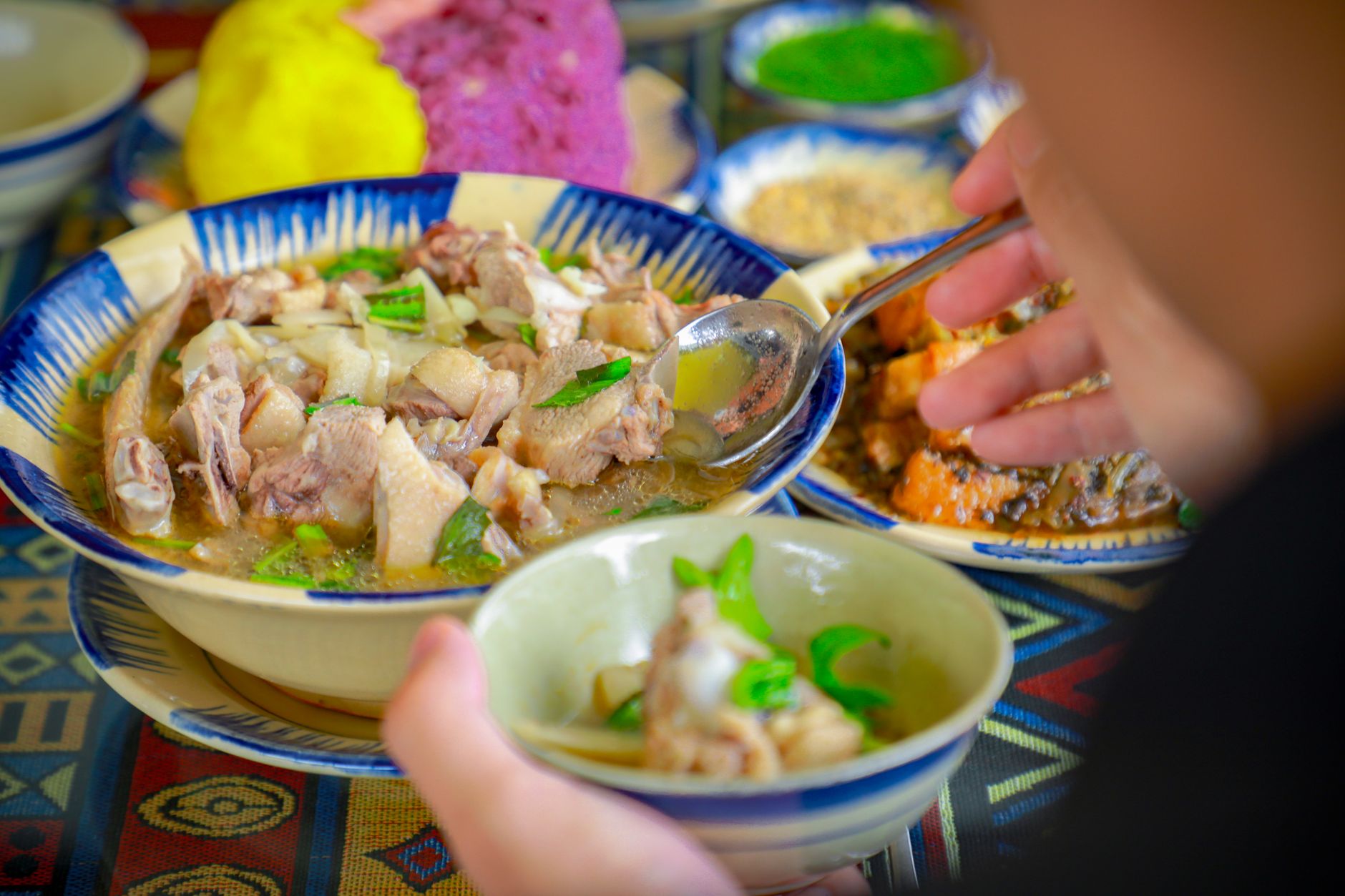
Bone broth has gained immense popularity in recent years, often touted for its various health benefits and rich flavors. But if you’re watching your calorie intake, you might wonder how many calories are in this savory liquid. This article explores the calorie content in bone broth, details by serving size, and helps you make informed dietary choices.
In addition to examining calorie numbers, we will discuss the nutritional aspects of bone broth, its preparation, and usage in cooking. By the end of this guide, you’ll be equipped with everything you need to know to incorporate bone broth into your meals while keeping an eye on your caloric intake.
How Many Calories in Bone Broth?
The calorie content in bone broth varies based on ingredients, preparation methods, and serving sizes. On average, a one-cup (240 ml) serving of homemade bone broth contains approximately 50 to 60 calories. However, this number can differ based on the types of bones used, cooking time, and any added ingredients.
Commercially prepared bone broths may have different calorie counts, often influenced by flavorings, preservatives, or additional ingredients. It’s essential to check the nutrition labels of these products to get an accurate measurement.
Nutritional Profile of Bone Broth
Bone broth is not only low in calories but also offers various nutritional benefits. Here’s a breakdown of what you can typically expect in a cup of bone broth:
- Calories: 50 to 60
- Protein: 10 grams
- Fat: 0 to 5 grams (depending on the type of bones used)
- Carbohydrates: 0 grams
- Sodium: 200 to 400 mg (may vary based on added salt)
- Collagen: Approximately 7 grams
The protein content in bone broth primarily comes from collagen, derived from the connective tissues and bones used during cooking. Collagen is known for promoting skin health and joint function.
Types of Bones and Their Caloric Impact
The type of bones used significantly impacts the caloric content of your broth. Here are a few common options:
- Beef Bones: Rich in collagen and provide a hearty flavor. Expect about 60 calories per cup.
- Poultry Bones: Chicken or turkey bones yield a lighter broth with about 50 calories per cup.
- Fish Bones: Fish bone broth tends to be lower in calories, with around 30-40 calories per cup, depending on how it’s prepared.
Choosing a combination of bones can also alter the flavor and nutritional profile, introducing different levels of collagen, fat, and minerals.
How to Make Bone Broth at Home
Making bone broth at home is simple and allows you to control the ingredients, including calorie content. Here’s a basic method to create your own broth:
Ingredients
- 2 to 3 pounds of bones (beef, chicken, or fish)
- 1 onion, quartered
- 2 to 3 carrots, chopped
- 2 to 3 stalks of celery, chopped
- 2 tablespoons apple cider vinegar (helps extract nutrients)
- Water (enough to cover bones and vegetables)
- Salt and pepper to taste
Essential Equipment
- Large stockpot or slow cooker
- Strainer or cheesecloth
- Storage containers (for cooling and storing)
Method
- Place the bones in the stockpot or slow cooker, and cover them with cold water.
- Add the apple cider vinegar, onion, carrots, and celery. Bring to a boil.
- Reduce heat to a simmer. If using a stockpot, simmer for at least 12 hours or up to 24 hours; for a slow cooker, set on low for 24-48 hours.
- Skim off any impurities that rise to the surface during the cooking process.
- When done, strain the broth through a fine mesh strainer or cheesecloth into an appropriate container. Discard the solids.
- Allow the broth to cool. Skim off any excess fat if desired.
- Store in the fridge for up to a week or freeze for longer storage.
This method will yield a flavorful, nutritious bone broth that can be consumed solo or as a base for soups and stews. The final caloric content can vary based on the ingredient proportions and type of bones used.
Tips for Flavorful Bone Broth
To enhance the flavor of your bone broth, consider the following tips:
- Roast the Bones: For a richer flavor, roast the bones in the oven at 400°F (200°C) for about 30 minutes before adding them to the broth.
- Add Herbs and Spices: Fresh herbs such as thyme, bay leaves, or parsley can add depth. Spices like peppercorns or garlic can also enhance flavor.
- Use a Variety of Bones: Combining different types of bones (such as marrow bones and joint bones) can lead to a more nuanced flavor and texture.
Common Mistakes When Making Bone Broth
Making bone broth seems simple, but there are a few common pitfalls to avoid:
- Not Adding Acid: Skipping the vinegar means you might miss out on extracting valuable minerals from the bones.
- Cooking for Too Short a Time: Bone broth needs to simmer for an extended period to fully extract flavors and nutrients; aim for at least 12 hours, ideally longer.
- Seasoning Too Early: Add salt and pepper towards the end to prevent the flavors from concentrating and becoming overly salty as the broth reduces.
Serving Suggestions
Bone broth is incredibly versatile. Here are some ways to incorporate it into your meals:
- As a Starter: Serve warm bone broth in a cup as a soothing starter before a meal.
- In Soups: Use bone broth as a base for soups, enhancing the overall flavor and nutritional profile.
- In Sauces: Use it as a deglazing liquid or in sauces to infuse depth of flavor.
- In Cooking Grains: Cook rice, quinoa, or other grains in bone broth for added flavor and nutrition.
Bone Broth: Meal Prep and Storage
Bone broth can be a significant asset for meal prepping, as it’s easy to make in large batches. Here’s how to store it effectively:
- Refrigerator: Store in airtight containers for up to one week. You may notice a layer of fat forming on top, which acts as a seal.
- Freezer: Freeze in portions using freezer bags or containers; it can last up to 6 months frozen.
To reheat, simply thaw the broth and heat it on the stovetop until warmed through.
Commercial Bone Broth Options
If making bone broth at home doesn’t fit your schedule, many commercial options are available. Here are some factors to consider when purchasing:
- Calories: Always check the nutrition label for calorie content per serving.
- Ingredients: Choose brands with minimal additives and preservatives. Look for broths made with organic bones if possible.
- Flavor: Different brands may offer various flavors—consider trying a few to find one that suits your preferences.
Bone Broth and Dieting
Bone broth can be a valuable addition to various diets, including low-calorie diets and ketogenic diets. Its high protein content may help keep you satiated without adding excessive calories. Additionally, the collagen in bone broth can be beneficial for gut health and joint support.
However, always consult with a healthcare professional or nutritionist before making significant dietary changes, particularly if you have specific health concerns.
Common Questions About Bone Broth
Is bone broth gluten-free?
Yes, bone broth is naturally gluten-free. However, always check commercial varieties for added ingredients that may contain gluten.
Can I make bone broth vegan or vegetarian?
While traditional bone broth contains animal bones, you can create a flavorful vegetable broth by simmering a variety of vegetables, herbs, and spices to mimic some of the flavors found in bone broth. However, keep in mind that it will not have the same nutritional profile as traditional bone broth.
Can I use leftover bones from a cooked meal?
Absolutely! Using leftover bones from roasted meats is an excellent way to reduce waste and create a rich broth. Just be sure to add fresh vegetables and seasonings for maximum flavor.
Conclusion
Bone broth is a low-calorie, nutritious addition to your meals with various culinary applications. Whether you’re making it from scratch or opting for a store-bought version, it’s essential to understand its calorie content and how it fits into your dietary preferences. By incorporating bone broth into your cooking, you can enjoy its flavor, versatility, and health benefits without worrying about excessive calories.
For more information on the nutritional aspects of bone broth, check out whether bone broth has protein or try out this turkey broth recipe to vary your homemade options. Explore these resources and expand your culinary repertoire today!