
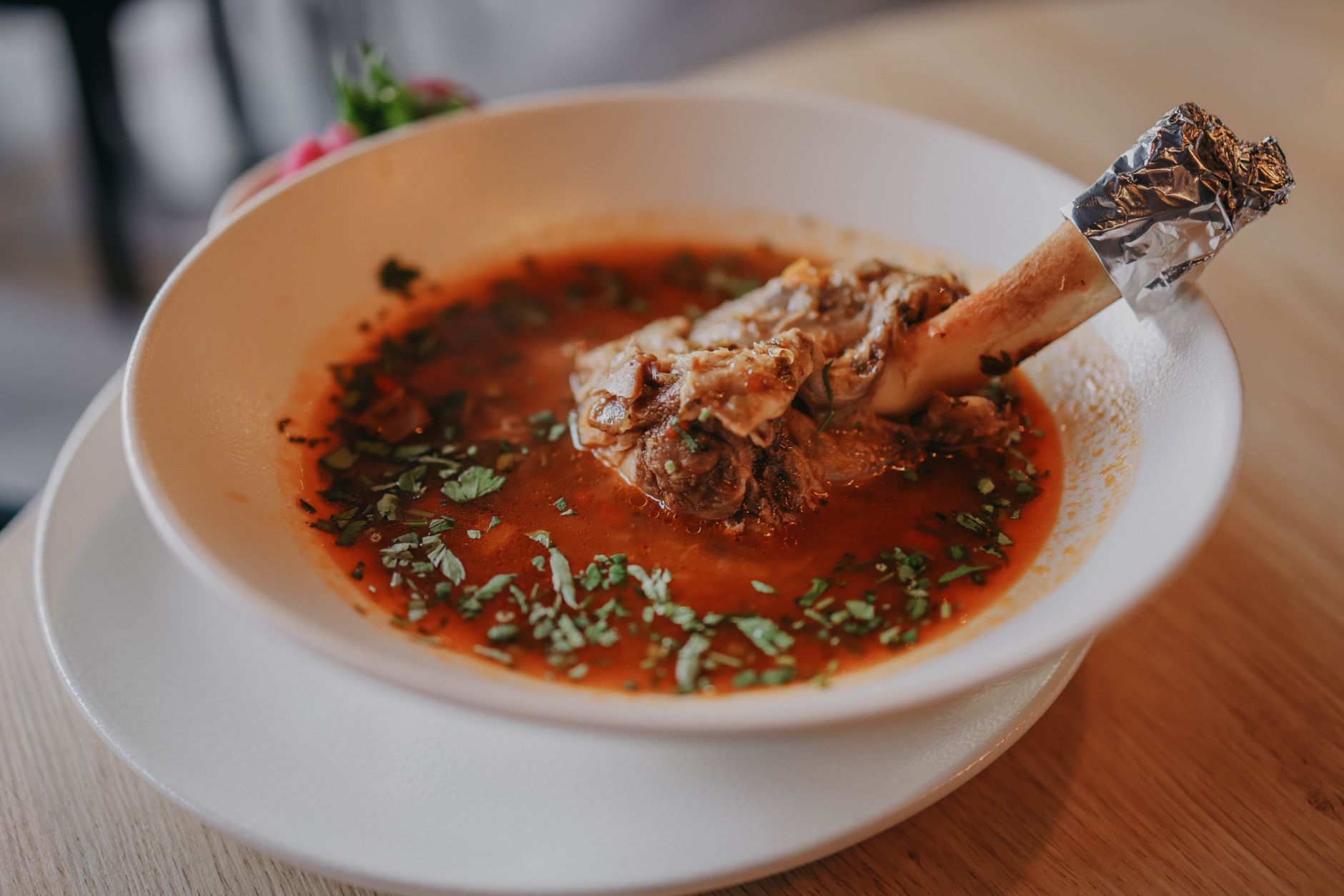
Bone broth has gained significant popularity in recent years due to its potential health benefits and rich flavor. Many people incorporate it into their diets in various ways, such as soups, stews, or drinking it on its own. A common question arises regarding its protein content and nutritional value.
This article will explore whether bone broth has protein, how much protein it contains, and the factors that influence its nutritional profile. We will also discuss how bone broth is made, its culinary uses, and tips on maximizing its nutritional benefits.
Does Bone Broth Have Protein?
Yes, bone broth does contain protein, although the amount can vary depending on the ingredients and preparation method. Generally, bone broth provides collagen, gelatin, and amino acids, which do contribute to its protein content.
For instance, a standard serving of bone broth (about one cup) typically contains between 6 to 12 grams of protein. This can differ based on the type of bones used, cooking duration, and whether any additional ingredients are present.
Understanding Bone Broth
Bone broth is a savory liquid made by simmering animal bones, connective tissues, and sometimes vegetable ingredients. This slow cooking process breaks down the collagen within the bones, resulting in a broth rich in minerals, nutrients, and flavor.
Types of Bones Used
Different types of bones yield varying flavors and nutrient profiles:
- Beef Bones: Rich in flavor and higher in collagen, making them a great choice for hearty broths.
- Chicken Bones: Offer a lighter broth with a more delicate flavor, often used in soups and sauces.
- Fish Bones: Provide a unique flavor profile and are often used in Asian cuisines.
- Veal Bones: Tender bones that enhance the richness of the broth and are ideal for gourmet recipes.
How Bone Broth is Made
Typically, the preparation of bone broth involves the following steps:
- Selection of Bones: Choose bones that contain connective tissues, such as joint or marrow bones.
- Roasting (optional): Roasting the bones enhances their flavor. This is often done for beef bones.
- Simmering: Place the bones in a pot and cover them with water, adding vinegar to help extract minerals. Let simmer for 12-24 hours.
- Straining: After cooking, strain the broth to remove the solids.
- Cooling: Allow it to cool, and then store in the refrigerator or freeze for later use.
Factors Influencing Protein Content
Several elements affect the protein levels in bone broth:
Cooking Time
Longer cooking times allow more collagen to break down into gelatin and amino acids, increasing the protein content. A broth simmered for 24 hours will have more protein than one cooked for 12 hours.
Bone Type and Quality
The type of bones used, including their connective tissue and marrow content, plays a critical role. Bones with higher amounts of collagen, such as knuckles or oxtails, will produce a more protein-rich broth.
Additions to the Broth
Including additional ingredients such as meat, vegetables, or herbs can impact the final protein count. Meat, for instance, will add additional protein to the finished broth.
Nutrition Beyond Protein
While protein is significant, bone broth also contains various other nutrients beneficial for health:
- Collagen: Supports skin, hair, and nail health. Helps improve joint function.
- Gelatin: A form of collagen that aids digestion and helps maintain gut health.
- Minerals: Provides essential minerals such as calcium, magnesium, and phosphorus.
- Amino Acids: Contains various amino acids, including proline, glycine, and arginine, important for overall health.
How to Incorporate Bone Broth into Your Diet
Bone broth can be added to your diet in various ways, making it easy to gain its nutritious benefits:
Soups and Stews
Use bone broth as a base for soups or stews to add richness and depth of flavor. It enhances the taste of traditional recipes and is an excellent way to increase overall nutrition.
Cooking Grains
Substitute water with bone broth when cooking grains such as rice, quinoa, or lentils. This will infuse the grains with additional flavor and nutrients.
Sippable Broth
Drink bone broth on its own as a warming beverage, particularly in cold weather. You can season it with herbs, spices, or even a squeeze of lemon juice for added flavor.
Cooking Sauces
Using bone broth as a base for sauces adds a rich profile and complex flavor. It can be reduced to create a hearty gravy or incorporated into marinades.
Common Mistakes When Making Bone Broth
Here are some commonly encountered mistakes and how to avoid them:
Not Simmering Long Enough
A broth cooked for insufficient time will not extract all the beneficial compounds from the bones. Aim for a minimum of 12 hours for chicken and 24 for beef.
Using Low-Quality Bones
Opt for high-quality, organic, or grass-fed bones for the best flavor and nutrient content. Inferior bones may yield a less nutritious broth.
Skipping Acid
Adding a splash of vinegar or lemon juice is essential. This acidity helps draw out minerals from the bones and enhances the nutritional value of your broth.
Storage and Reheating Tips
Bone broth can be stored successfully for future use, but proper handling is crucial:
Refrigeration
Bone broth can be stored in the refrigerator for up to 5 days. Ensure it is sealed in an airtight container to prevent spoilage.
Freezing
For long-term storage, bone broth can be frozen in ice cube trays or freezer bags. This allows small portions to be thawed when needed. Properly frozen bone broth can last for up to 6 months.
Reheating
When reheating bone broth, heat it gently on the stove over medium heat until it reaches a rolling simmer. Avoid boiling, as this can alter its texture and flavor.
Health Considerations
While bone broth is generally considered healthy, it’s essential to recognize that it may not suit everyone. Here are a few points to consider:
- Dietary Restrictions: Those with certain dietary restrictions or sensitivities, particularly to histamines, may need to consume bone broth in moderation.
- Source of Bones: Ensure the bones are sourced from reputable farms that raise their animals humanely and without harmful additives.
Conclusion
Bone broth is indeed a source of protein, providing various essential nutrients through its collagen, gelatin, and amino acids. Its versatility allows for incorporation into a wide range of dishes, making it an excellent choice for those seeking to enhance flavor and nutrition in their meals.
For those looking to experiment with bone broth, consider trying out different recipes like homemade turkey broth or chicken stock to diversify your options and enjoy various flavors. Explore these recipes for more delicious culinary possibilities: turkey broth recipe and chicken stock recipe.