
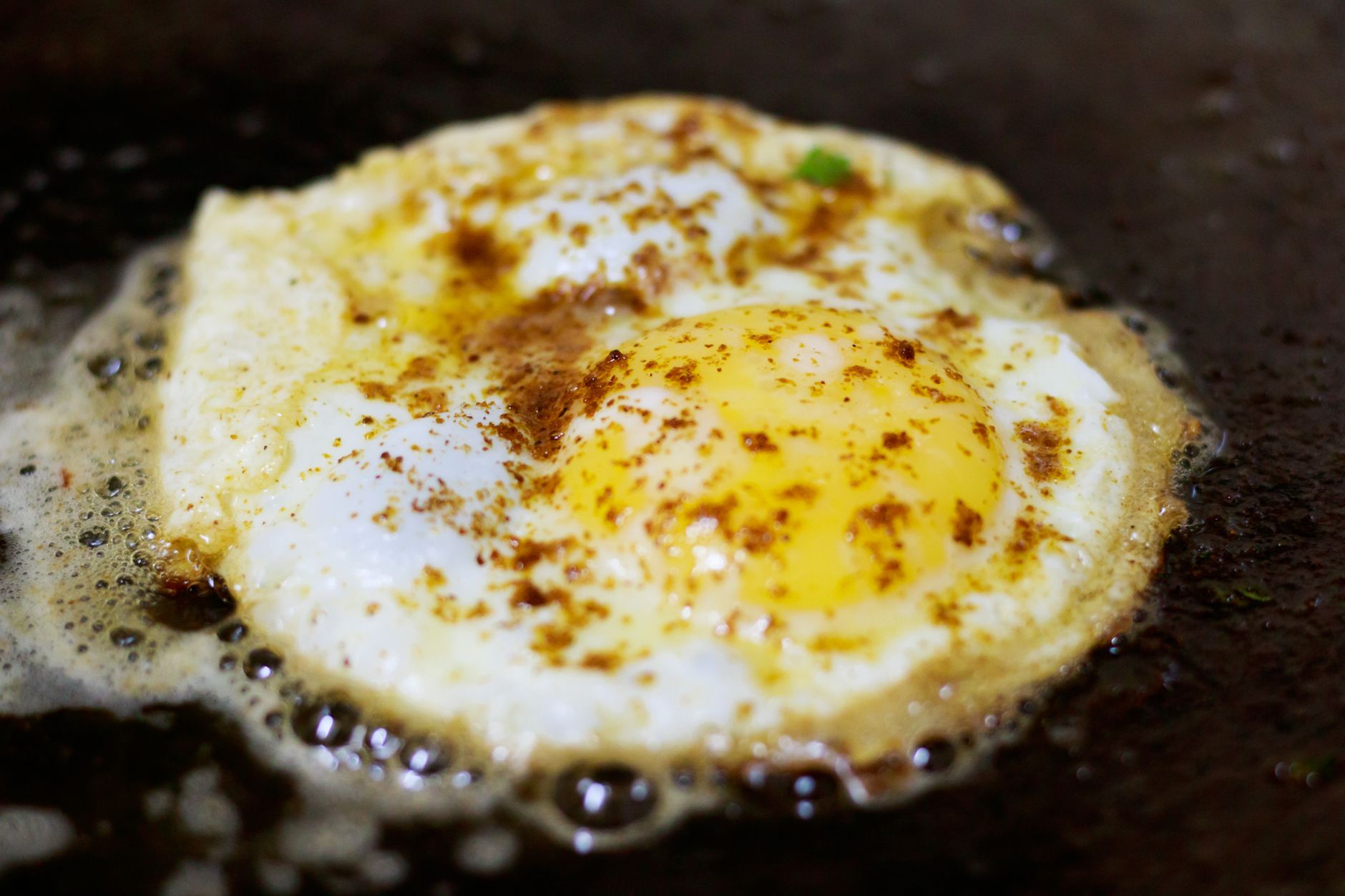
Fried eggs are a beloved breakfast staple around the world, celebrated for their simplicity and flavor. Their culinary versatility allows for various cooking methods, from sunny-side-up to over-easy. This guide not only reveals how many calories are in a fried egg but also explores cooking techniques, nutritional value, and practical tips for incorporating them into your meals.
Understanding the caloric content and nutritional aspects of fried eggs can help you make informed choices in your diet, especially if you’re tracking your calorie intake or looking for healthy protein sources. Read on for an in-depth look at fried eggs and their place in your diet.
How Many Calories Are in a Fried Egg?
The number of calories in a fried egg can vary based on several factors, including the size of the egg and the cooking method employed. On average, a large fried egg (about 50 grams) contains approximately 90 calories. This includes calories from the egg white as well as the yolk, where much of the egg’s nutrition and fat content lies.
Here’s a breakdown of calorie content based on egg size:
- Small (38 grams): 54 calories
- Medium (44 grams): 63 calories
- Large (50 grams): 90 calories
- Extra-large (56 grams): 101 calories
- Jumbo (63 grams): 115 calories
Nutritional Value of Fried Eggs
Fried eggs not only provide calories but also deliver essential nutrients. A large fried egg typically contains:
- 7 grams of protein
- 7 grams of fat (of which 2 grams are saturated fat)
- 1.5 grams of carbohydrates
- 0 grams of fiber
- Vitamin D, Vitamin B12, phosphorus, and riboflavin
This means fried eggs are a good source of high-quality protein and include beneficial fats that support overall health. The vitamins and minerals in eggs contribute to various bodily functions, including immune support and energy production.
Calories and Cooking Method
The way you cook and prepare eggs significantly impacts their caloric content. Let’s explore the most common cooking methods for frying eggs:
Pan-Frying
In this method, eggs are cooked in a small amount of oil or butter in a skillet. The type and amount of fat used will add to the overall calorie count.
- Using 1 teaspoon of oil (approximately 40 calories) adds a total of about 130 calories for a fried egg.
- Using 1 teaspoon of butter (approximately 35 calories) adds to about 125 calories.
Deep-Frying
Deep-frying eggs is less common but results in a significantly higher calorie count due to the absorption of oil. A deep-fried egg can easily exceed 200 calories depending on the amount of oil absorbed during cooking.
Cooking Spray
If you choose to use a non-stick cooking spray, you may avoid adding significant calories. Most cooking sprays contain about 5 calories per serving, which would result in a fried egg containing around 95 calories total.
Practical Tips for Cooking Perfect Fried Eggs
To achieve the perfect fried egg, follow these tips. Achieving this balance can allow you to enjoy the deliciousness of fried eggs while managing calorie intake effectively.
Selecting Eggs
Using fresh, high-quality eggs will impact the taste and texture. Choose eggs free from cracks and stored properly in the refrigerator.
Cooking Temperature
Cook the eggs on medium heat to prevent the edges from burning while ensuring the yolk achieves your desired doneness. Lower temperatures may elongate cooking time without properly cooking the egg.
Minimizing Oil Usage
Consider measuring your oil or butter using a teaspoon. For a crisper edge, high heat can be effective but be cautious to avoid burning your eggs.
Serving Suggestions for Fried Eggs
Fried eggs may be enjoyed on their own or incorporated into a variety of dishes. Here are some popular serving suggestions:
- On Toast: Serve a fried egg on whole-grain or sourdough toast for a simple breakfast.
- Over Rice or Quinoa: Pair a fried egg with cooked rice or quinoa for a nourishing meal.
- As Part of a Breakfast Bowl: Include fried eggs in a breakfast bowl with vegetables, avocado, and a protein of choice.
- In a Sandwich: Create a breakfast sandwich with bacon, cheese, and a fried egg on an English muffin.
Common Mistakes when Frying Eggs
A few mistakes can affect the quality of your fried eggs:
Using Too Much Heat
Cooking eggs at too high of a temperature can result in burnt edges and rubbery whites. Medium heat is typically ideal.
Not Using Enough Fat
While reducing fat can help cut calories, using too little can lead to sticking. Always use enough to coat the pan lightly.
Overcooking
Overcooked eggs, especially the yolk, can become dry. Keeping an eye on them and removing the pan from heat at the right moment is essential for optimal texture.
Storage and Reheating Guidelines
If you prepare more fried eggs than you consume, you can store leftover eggs. Here’s how:
Storage
- Allow fried eggs to cool at room temperature for no more than two hours.
- Store in an airtight container in the refrigerator for up to four days.
Reheating
Reheat leftovers in a skillet over low heat to warm evenly. Microwaving is another option but may result in a rubbery texture, so proceed with caution.
Creative Variations of Fried Eggs
Fried eggs can be customized in several delicious ways:
Spices and Herbs
Consider incorporating spices such as paprika, cumin, or a sprinkle of fresh herbs like chives or parsley to enhance flavor.
Cheese
Adding a slice of cheese on top of the egg while it’s cooking can create a delightful, melty topping.
Vegetable Mix-Ins
Incorporate veggies like spinach, tomatoes, or bell peppers towards the end of cooking for added nutrients and flavor.
Conclusion
Fried eggs are not just calorically efficient; they also provide a wealth of nutrition and versatility to your meals. Whether you enjoy them as a simple breakfast, a topping on rice, or incorporated into a sandwich, being aware of their caloric and nutritional value allows you to enjoy them in a balanced diet. It is vital to control how they are cooked and served to best align with your dietary goals.
For those interested in exploring variations of egg dishes, consider checking out how many calories are in two scrambled eggs or diving into the rich flavors of pho.