
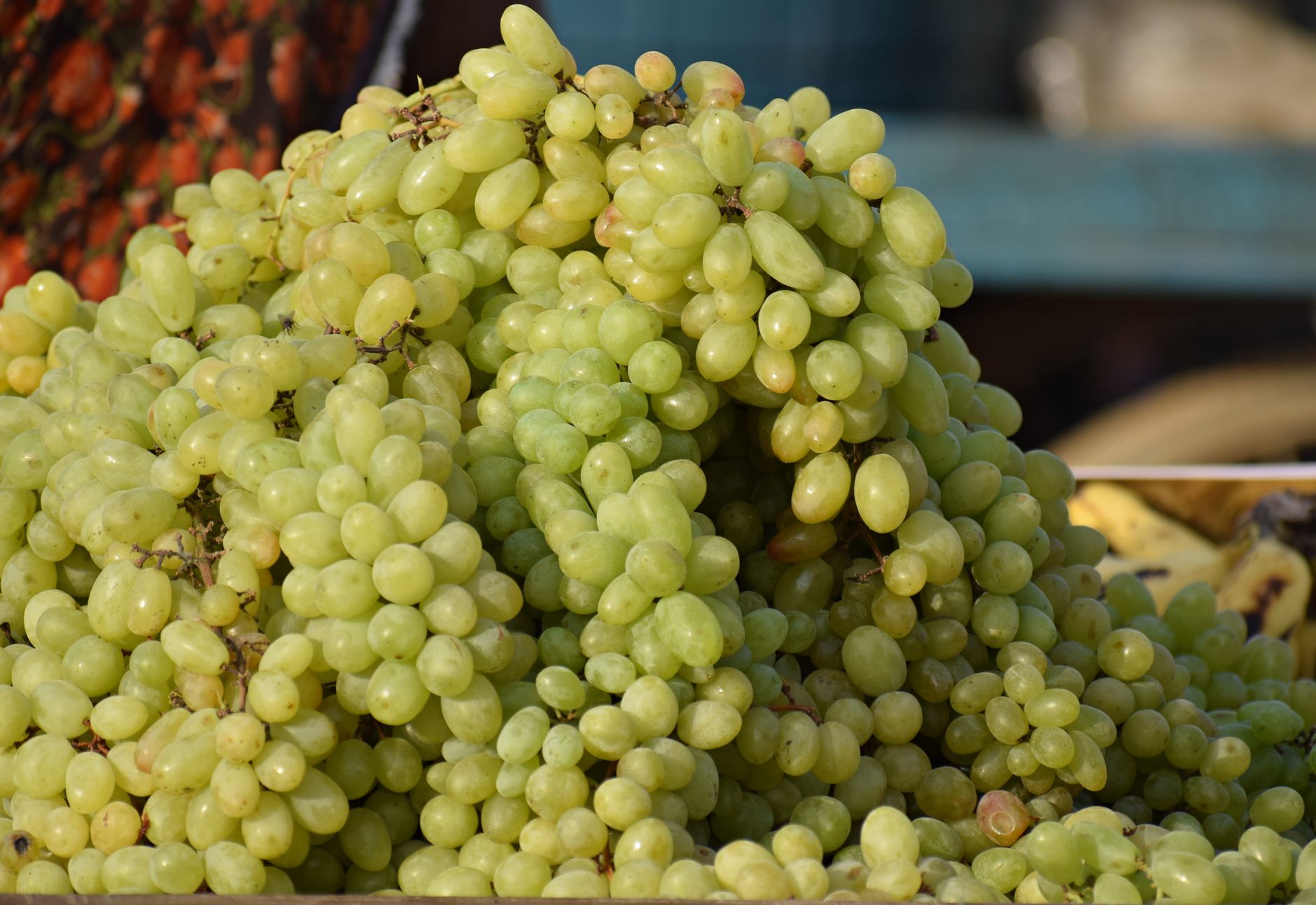
Grapes are a popular fruit known for their sweetness and versatility. Often enjoyed fresh, dried as raisins, or blended into drinks, grapes provide a burst of flavor and nutrition in a small package. If you’re curious about how many calories are in a bag of grapes and what nutritional benefits they offer, you’ve come to the right place.
Understanding the calorie content of grapes can help you manage your diet and incorporate this delicious fruit into your meals and snacks more effectively. In this article, we will explore the calorie count in different servings of grapes, their nutritional profile, and practical tips for enjoying them as part of a balanced diet.
How Many Calories in a Bag of Grapes?
The calorie content of grapes varies based on the type and serving size. On average, a standard serving size of grapes, which is approximately one cup or 151 grams, contains around 104 calories. A typical bag of grapes weighs between one to two pounds (approximately 453 to 907 grams), meaning it can contain anywhere from three to six servings, equating to about 312 to 624 calories per bag.
Understanding Calories and Nutrients in Grapes
Calories are a measure of energy in food, and understanding how grapes fit into your daily intake can aid in meal planning. Besides being low in calories, grapes are packed with essential nutrients:
- Carbohydrates: Grapes are primarily composed of carbohydrates, mainly sugars like glucose and fructose, making them a quick source of energy.
- Fiber: A serving of grapes provides about 1.4 grams of dietary fiber, which aids digestion and helps maintain a healthy weight.
- Vitamins: Grapes are an excellent source of vitamin C and vitamin K, both of which contribute to immune function and bone health.
- Antioxidants: They contain polyphenols, which have antioxidant properties, potentially reducing the risk of chronic diseases.
The Nutritional Profile of Grapes
Let’s look at the nutritional breakdown for one cup (151 grams) of raw red or green grapes:
| Nutrient | Amount per Serving (1 cup) |
|---|---|
| Calories | 104 |
| Carbohydrates | 27 grams |
| Fiber | 1.4 grams |
| Sugars | 23 grams |
| Protein | 1.1 grams |
| Fat | 0.2 grams |
| Vitamin C | 27% of the Daily Value |
| Vitamin K | 21% of the Daily Value |
As seen in the table, grapes are not only low in calories but also provide a plethora of vitamins and minerals necessary for good health. They can be particularly beneficial for those looking to maintain a healthy diet or for active individuals needing energy.
Determining Portion Sizes
Calculating how many calories are in a bag of grapes depends largely on how much you plan to consume. Here are some practical portion sizes for different scenarios:
- Snack Size: A small bunch of grapes (about 1/2 cup or 75 grams) contains roughly 52 calories, perfect for a quick energy boost.
- Meal Addition: Adding one cup of grapes to a salad can enhance flavor without significantly increasing caloric intake.
- For Dessert: Serve a cup of grapes as a refreshing, low-calorie alternative to traditional desserts.
Understanding these portions helps manage calorie intake throughout the day while still enjoying grapes’ natural sweetness.
How to Enjoy Grapes in Your Diet
Incorporating grapes into your meals is both easy and enjoyable. Here are several practical ways to enjoy grapes:
Snacking
Grapes make for a healthy and convenient snack. Simply wash and serve them chilled for an instant refreshment. Consider pairing them with yogurt or cheese for added flavor and nutrients.
In Salads
Add grapes to salads to create a wonderful contrast in taste and texture. A fresh spinach salad with sliced grapes, nuts, and feta cheese can be quite satisfying.
Smoothies
Blend grapes into smoothies along with other fruits and a base of yogurt or almond milk for a delicious and energizing drink.
Frozen Treats
Freeze grapes for a cool and refreshing treat, especially during hot days. Frozen grapes also make a great addition to cocktails or sparkling water.
Baking and Cooking
Though less common, grapes can also be baked or roasted with meats or added to dishes to provide a sweet flavor contrast.
Practical Tips for Buying Grapes
When purchasing grapes, here are some tips to ensure you choose the best quality fruit:
- Look for Firmness: Purchase grapes that are plump and firm and avoid any that appear shriveled or have excess moisture.
- Check for Color: For green grapes, choose those with a vibrant green hue; for red grapes, opt for deep, rich colors.
- Seasonality: Grapes are usually in season from late summer to early fall, making them more flavorful during these months.
Storing Grapes
To maintain freshness and nutritional quality, proper storage of grapes is essential:
- Store grapes unwashed in the refrigerator to keep them fresh longer; washing before storage can lead to spoilage.
- Avoid washing grapes until you’re ready to eat them to prevent moisture from causing mold.
- Grapes can last for up to two weeks in the refrigerator; check periodically for spoilage.
Common Mistakes When Eating Grapes
Many enjoy grapes, but it’s easy to overlook some common pitfalls:
- Overeating: While grapes are healthy, the sugars can add up, especially if consumed in large quantities. Be mindful of portion sizes.
- Ignoring Other Fruits: While grapes are delicious, they shouldn’t replace a variety of fruits in your diet to ensure a well-rounded nutrient intake.
Health Benefits of Grapes
Grapes are not just delicious; they also bring several health benefits due to their nutrient composition:
- Heart Health: The antioxidants in grapes, especially resveratrol, are linked to improved heart function and reduced cholesterol levels.
- Hydration: With a high water content (about 80%), grapes can help you stay hydrated.
- Weight Management: Low in calories and high in water, grapes can help you feel full with fewer overall calories.
Grapes in Your Meal Plan
Adding grapes into your meal planning can enhance your menu options:
Breakfast
Include grapes in a yogurt parfait or oatmeal, topped with nuts and a drizzle of honey for a nutritious start to the day.
Lunch
Mix grapes into a chicken or tuna salad to provide a sweet contrast to savory flavors or enjoy them as a side with sandwiches.
Dinner
Serve roasted grapes as a side dish with meats to add sweetness and depth to flavors.
Dessert
Consider grapes frozen or used as a topping for cakes or as part of a fruit medley.
Recipes Featuring Grapes
If you’re looking for creative ways to incorporate grapes into your meals, here are a couple of delicious recipes to try:
Candied Grapes
These sweet treats are perfect for parties and a fun snack:
- 1 pound of seedless grapes
- 1 cup of granulated sugar
- 1/2 cup of water
- Wash and dry grapes thoroughly.
- In a saucepan, combine sugar and water; heat until sugar is fully dissolved.
- Dip grapes into the sugar mixture, then place them on parchment paper to cool.
- Enjoy as a sweet snack or serve at gatherings!
Grape and Cheese Skewers
A simple yet elegant appetizer:
- 1 cup of grapes
- 1 cup of cubed cheese (cheddar or brie)
- Wooden skewers
- Thread grapes and cheese cubes alternately onto skewers.
- Serve chilled for a refreshing bite.
Conclusion
Grapes are a delicious and nutritious addition to any diet. With their low calorie count and high nutrient content, they provide a myriad of health benefits. Whether enjoyed as a snack, in salads, or as part of a meal, their versatility makes them a staple in many households. Remember to consider portion sizes and storage tips to fully enjoy the benefits of this delightful fruit.
Explore more innovative ways to incorporate grapes in your meals through our guides on candied grapes and candy grapes. Enjoy your culinary adventures with grapes!