
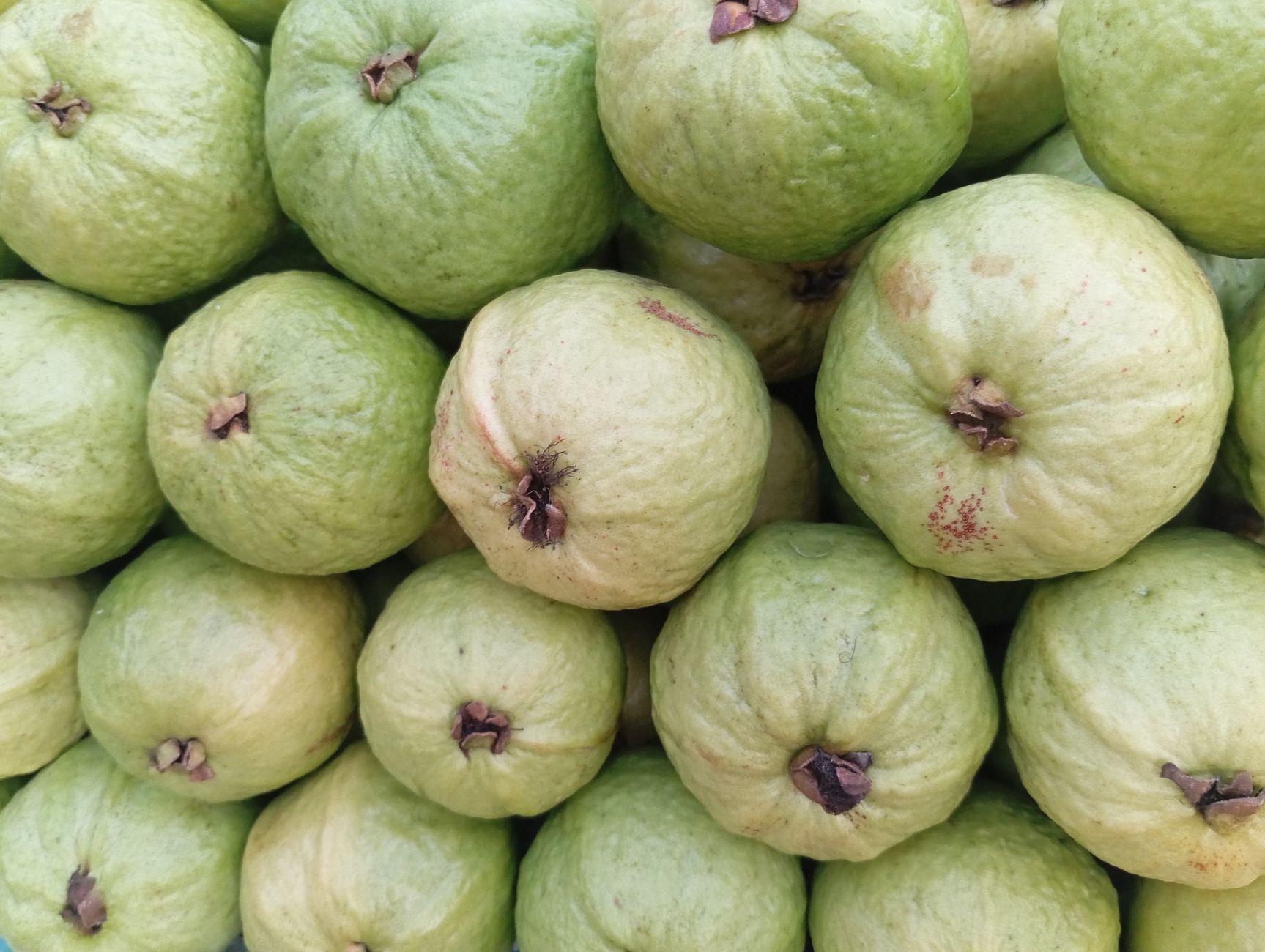
Guava is a tropical fruit known for its vibrant flavor and versatility in various culinary applications. Understanding its origins not only enriches our knowledge but also enhances our appreciation for this delightful fruit. Let’s explore where guava is from, its history, culinary traditions, and how it’s used across the world.
In this article, we’ll delve into the geographical roots of guava, its rise in popularity as a staple in various cuisines, and its diverse uses in cooking and baking. Whether you’re a seasoned chef or a novice in the kitchen, you’ll find valuable information here to inspire your next culinary adventure.
Where Is Guava From?
Guava originates from Central America and Mexico, where it has been cultivated for centuries. The fruit thrives in warm, tropical regions, contributing to its popularity in various countries across South America, the Caribbean, and parts of Asia. Today, guava is grown in many tropical and subtropical regions around the world.
Understanding Guava: Varieties and Characteristics
Guava belongs to the genus Psidium, which encompasses various species. The most commonly consumed varieties include:
- Common Guava (Psidium guajava): Characterized by a round or oval shape with yellowish-green skin, this variety is sweet when ripe and often used in desserts and beverages.
- Pineapple Guava (Feijoa sellowiana): With a unique flavor reminiscent of a mix between pineapple and guava, this variety is often eaten fresh or used in jams.
- Strawberry Guava (Psidium cattleianum): This smaller variety has red or yellow skin and a sweet, aromatic flavor, often used in sauces and drinks.
- Asian Guava (Psidium guajava var. chinense): Found primarily in Southeast Asia, this variety is celebrated for its crisp texture and fragrant aroma.
The Cultural Significance of Guava
Guava holds cultural importance in many countries, often featured in traditional dishes and celebrations. Let’s explore its role in different cuisines:
Latin America
In Latin American countries, guava is a beloved fruit. It is often made into guava paste, which is used in pastries, candies, and as a flavoring for beverages. In addition, guava juice is a popular drink that is enjoyed fresh or in cocktails.
The Caribbean
In the Caribbean, guava is often used in jams, jellies, and desserts. The fruit’s sweetness pairs well with tropical flavors, making it a staple in many sweet dishes. Guava duff, a traditional Bahamian dessert, is a notable example featuring guava fruits wrapped in a dough and steamed.
Asia
In countries like India and Thailand, guava is consumed both fresh and in various culinary applications. In India, guava is often cut into slices and sprinkled with chili powder and lime, offering a unique sweet and spicy flavor profile. Guava is also blended into smoothies and desserts, taking advantage of its natural sweetness.
Guava in the Kitchen: Culinary Uses
Guava is versatile and can be used in numerous forms — fresh, cooked, juiced, or as a puree. Here are some common culinary applications:
Snacks and Appetizers
Fresh guava can be enjoyed by itself or served with a sprinkle of salt or chili powder for a delicious snack. Guava slices pair well with cheese and can be served on charcuterie boards.
Salads
Guava works beautifully in fruit salads, adding a tropical twist. It can also be incorporated into green salads along with ingredients like mango, avocado, and citrus fruits for a refreshing dish.
Soups and Sauces
Guava can be used as a base for fruity sauces, which complement savory dishes like grilled meats or seafood. It’s also an ingredient in smoothies or chilled soups that offer a refreshing option on hot days.
Desserts
Guava can be pureed and used as a filling for cakes, pastries, or tarts. Guava desserts often utilize its natural sweetness, making it an excellent ingredient for jams, puddings, and ice creams.
Beverages
Guava juice is a popular beverage in many tropical regions, enjoyed both fresh and as a base for cocktails. By blending guava with other fruits, delicious smoothies can also be created.
Cooking with Guava: Tips and Techniques
When cooking with guava, certain techniques can enhance its flavors and textures:
Choosing the Right Guava
When selecting guava, look for fruits that give slightly to pressure and have a fragrant aroma. Ripe guavas can vary in color, from green to yellow or pink depending on the variety.
Preparing Guava
Guava can be eaten with the skin on, providing additional fiber. Wash the fruit thoroughly to remove any pesticides or dirt before consumption. Slicing is easy; simply cut across the fruit’s diameter. For recipes requiring guava puree, the flesh can be scooped out with a spoon.
Cooking Techniques
Guava is often used in both raw and cooked forms. When cooking guava for sauces or desserts, gently simmer it until it breaks down, allowing its natural juices to release. This creates a fragrant mixture that can be sweetened further with sugar or honey if desired.
Storage and Preservation of Guava
Guava has a relatively short shelf life due to its high moisture content. Here are some tips for storage:
Storage Tips
- Fresh Guava: Store ripe guavas at room temperature for a few days until they reach the desired ripeness. Once ripe, they can be refrigerated to extend freshness for about a week.
- Guava Puree: For longer storage, guava can be pureed and frozen. Store the puree in airtight containers or freezer bags for up to six months.
- Guava Jam or Sauce: Homemade guava jams or sauces can be stored in sterilized jars and kept in the refrigerator for several weeks. For long-term storage, canning is an effective method.
Common Mistakes When Cooking with Guava
When incorporating guava into your cooking, be aware of these common mistakes:
- Using unripe guava: Unripe guavas can be hard and lack sweetness, so allow them to ripen fully before use.
- Overcooking guava: Cooking guava for too long can make it mushy, causing it to lose its distinct flavor. It’s usually best to cook it gently.
- Ignoring the skin: The skin of the guava is edible and rich in nutrients. Don’t discard it unless the recipe specifies otherwise.
Guava Substitutes
If guava is unavailable, there are several fruits that can serve as substitutes, while still bringing a tropical flair to your dishes:
- Pear: Pears have a similar texture and sweetness, making them a great substitute for fresh guava.
- Pineapple: The sweetness and acidity of pineapple can mimic the flavors of guava in desserts and beverages.
- Mango: When pureed, mango can provide a similar tropical flavor and is a suitable substitute for guava puree.
Health Benefits of Guava
While this article primarily focuses on culinary uses, it’s worth noting that guava is also known for its nutritional value. It is an excellent source of dietary fiber, vitamin C, and antioxidants, contributing to overall health. Including guava in your diet can enhance your fruit intake while providing various vitamins and minerals.
Exploring Guava Around the World
Let’s take a look at how different cultures utilize guava in their cuisines:
Mexican Cuisine
In Mexico, guava is commonly found in aguas frescas, a traditional refreshing drink. The fruit is blended with water and sugar, creating a delightful beverage enjoyed particularly in warm weather.
Indian Cuisine
The Indian way of enjoying guava includes eating it raw with salt and chili powder. Moreover, guava is often used in chutneys, adding a sweet and tangy flavor to rice dishes and curries.
Philippine Cuisine
In the Philippines, guava is used to flavor savory dishes, most notably sinigang, a sour soup. Guava leaves may also be used for tea, known for its health benefits.
Conclusion and Next Steps
Guava is a fruit rich in flavor and history, making it a delightful ingredient in various cuisines around the world. Whether you enjoy it raw, in desserts, or as part of savory dishes, knowing its origins and applications deepens your appreciation for this tropical fruit. Next time you find guava at the market, consider experimenting with it in your cooking.
Explore more culinary possibilities by checking out different recipes, tips for incorporating tropical fruits into your cooking, and guides on healthy eating and food storage.