
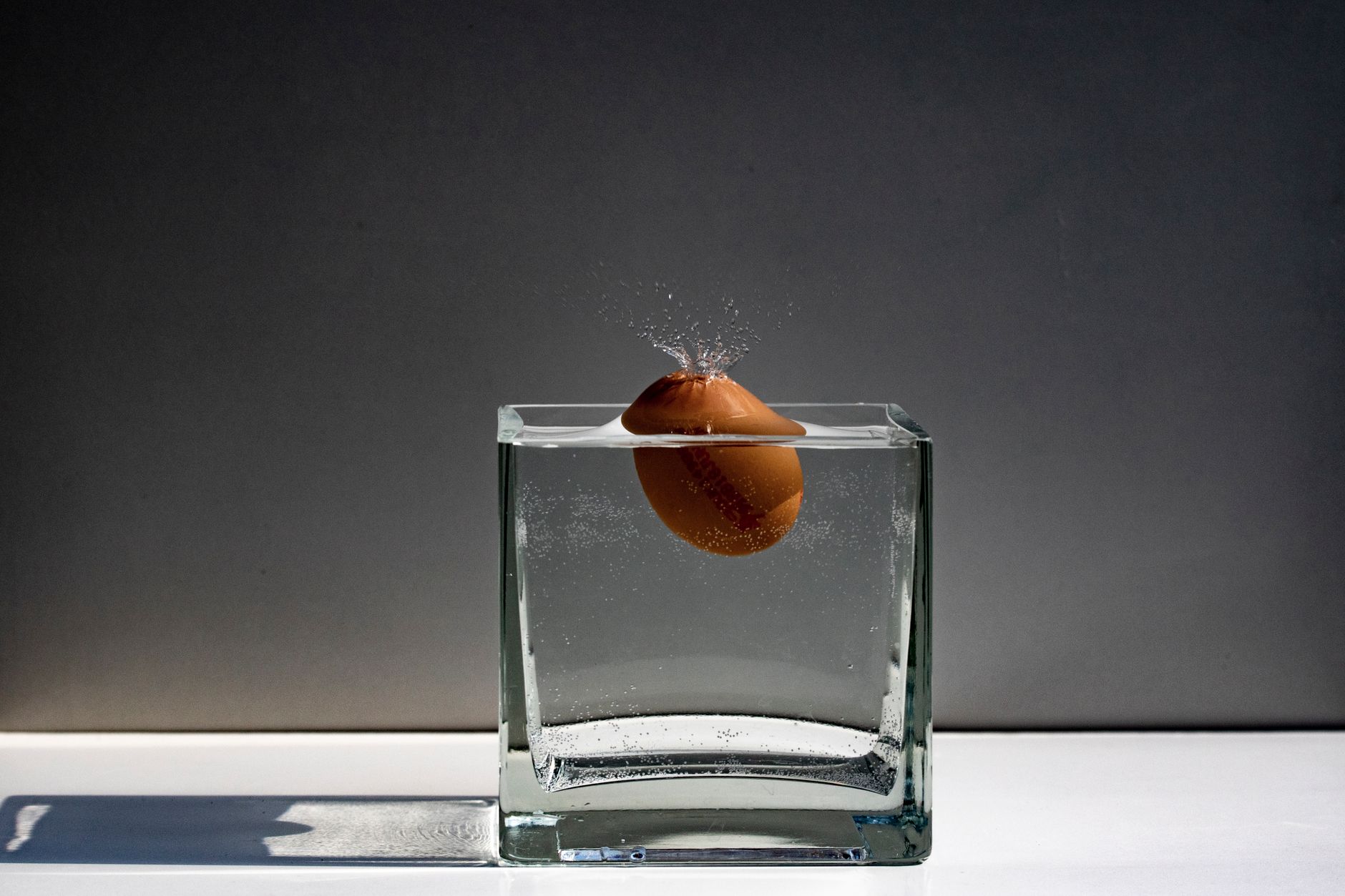
Eggs are a staple ingredient in many kitchens, known for their versatility and nutritional value. However, it’s important to ensure their freshness to maintain food safety and quality. One common method for checking the freshness of eggs is a simple water test. Many people wonder: If an egg floats in cold water, is it bad? This article provides insights into the science behind egg buoyancy, how to use this test effectively, and what you should do with floating eggs.
Understanding why eggs float or sink can help you make informed decisions regarding their use. This guide will cover how to properly assess egg freshness, the implications of a floating egg, and alternatives for using eggs in your meals. Whether you’re aiming for perfect scrambled eggs or a classic omelet, freshness matters.
If an Egg Floats in Cold Water, Is It Bad?
When an egg floats in cold water, it is typically a sign that the egg is no longer fresh and should be discarded. As eggs age, the moisture and air inside them expand, which causes the egg to become less dense than water, resulting in floating. However, before you toss it away, it’s essential to understand the testing process and what other factors might come into play.
The Science Behind the Egg Float Test
The floating egg test relies on the concept of buoyancy and the structural changes that occur within the egg as it ages. Fresh eggs have a tight seal of liquid inside, and the air cell remains small. As the egg ages, it loses moisture and carbon dioxide, which increases the size of the air cell, making the egg less dense.
Here’s a breakdown of the buoyancy phenomenon:
- Fresh Eggs: Fresh eggs sink to the bottom and lay flat on their sides.
- Moderately Fresh Eggs: Eggs that are a few weeks old typically stand upright on the bottom.
- Old Eggs: If the egg floats to the surface, it indicates significant aging, and it is best to discard it.
How to Perform the Float Test
The float test is simple and can be done with just a bowl of cold water. Follow these steps for accurate results:
- Fill a bowl or deep dish with cold water.
- Gently place the egg in the water.
- Observe the egg’s position:
- If it sinks and lays flat, the egg is fresh.
- If it sinks and stands upright, it is still safe to eat but should be used soon.
- If it floats, discard the egg.
Understanding the Implications of Floating Eggs
While a floating egg generally indicates spoilage, considering other factors can help determine the egg’s condition:
- Cracks or Unusual Odors: A floating egg might be old, but if it has cracks or an off odor upon breaking it open, it’s unsafe to consume.
- Storage Conditions: Eggs stored improperly, even if they sink, might spoil faster. Always refrigerate eggs to maintain freshness.
- Expiration Dates: Check the sell-by or expiration date on the carton. While eggs can last beyond this date if stored properly, any eggs that float should be discarded.
What to Do with Floating Eggs
If you find an egg floating, it’s advisable to discard it. However, if you have any doubts about the freshness and need a quick test:
- Break the egg into a separate dish to evaluate its quality.
- Check for an unpleasant odor or any discoloration.
- If the egg looks and smells normal, it might still be safe for cooking.
Creative Uses of Eggs
Even with fresh eggs, knowing how to use them creatively in recipes can elevate your meals. Here are some popular methods to incorporate eggs into your cooking:
1. Breakfast Dishes
Eggs serve as the base for numerous breakfast options. Here are a few popular choices:
- Scrambled Eggs: Whisk eggs with milk, salt, and pepper, then cook them gently in a nonstick pan.
- Omelettes: Fill eggs with cheeses, vegetables, and meats for a hearty start to the day.
- Eggs Benedict: Poach eggs and serve them on toasted English muffins with ham and hollandaise sauce.
2. Lunch Solutions
Eggs can also make a filling lunch option:
- Egg Salad: Boil eggs, chop them, and mix with mayonnaise, mustard, and seasonings for a delicious sandwich filling.
- Frittatas: Combine eggs with vegetables, cheese, and meats, bake until set, and cut into slices.
- Quiche: A savory pie filled with custard made from eggs and various ingredients.
3. Dinner Options
Eggs can also play a role in dinner preparations:
- Shakshuka: A Middle Eastern dish featuring poached eggs in a spicy tomato sauce, served with crusty bread.
- Stir-fries: Add scrambled eggs to vegetables and rice or noodles for a quick, protein-packed meal.
- Soups: Whisk eggs into hot broth to create a silky texture, perfect for egg drop soup.
4. Baking and Sweets
Eggs are also integral in many baked goods:
- Cakes and Muffins: Eggs provide moisture and structure to batters.
- Puddings and Custards: The thickening egg proteins create rich and creamy textures.
- Meringues: Beat egg whites to form peaks, perfect for topping pies or making cookies.
Substitutions for Eggs in Recipes
For those who need to avoid eggs, whether due to allergies or diet, there are several effective substitutions:
- Flaxseed Meal: Mix 1 tablespoon of ground flaxseed with 2.5 tablespoons of water. Allow it to sit for 5 minutes until it thickens, then use it in recipes.
- Chia Seeds: Similar to flaxseeds, mix 1 tablespoon of chia seeds with 2.5 tablespoons of water and let it sit to gel.
- Applesauce: Use 1/4 cup unsweetened applesauce to replace one egg in baking.
- Banana: Mashed banana works best in sweeter dishes. Replace one egg with 1/4 cup of mashed banana.
Common Mistakes When Working with Eggs
To ensure the best results in cooking and baking, avoid these common egg-related mistakes:
- Overcooking Egg Dishes: This can lead to rubbery textures, especially in scrambled eggs and omelets.
- Using Cold Eggs for Baking: Bring eggs to room temperature before using them in recipes for better incorporation.
- Not Cracking Eggs Carefully: Use a clean surface to crack eggs to avoid shell bits in your dish.
- Poor Refrigeration: Store eggs properly to avoid spoilage and maintain freshness.
Storage Tips for Eggs
Proper storage can significantly extend the lifespan of your eggs:
- Keep Refrigerated: Store eggs in the main section of the refrigerator, not in the door, where temperatures fluctuate.
- Avoid Washing: Don’t wash eggs before storing them as it removes the protective coating that keeps them fresh.
- Check the Date: Always keep track of expiration dates, and rotate egg stock to use older eggs first.
When to Discard Eggs
In addition to the float test, consider other indicators that help you judge whether an egg should be discarded:
- Off Odors: Any unusual smells when cracking open the egg indicate spoilage.
- Discoloration: Gray or greenish hues may suggest bacterial growth.
- Expiration Dates: Always follow recommended dates on egg cartons as guidelines for safety.
By understanding how to properly assess the freshness of eggs, you can enhance your cooking and ensure food safety in your culinary practices. Using the float test is just one easy method to determine freshness, but always trust your senses as well.
To keep your meals exciting and fresh, explore a variety of egg dishes and try out different substitutions. From breakfast to dessert, eggs are a versatile ingredient that can enrich your cooking.
For more information on egg safety and storage, check out when do eggs go bad. If you’re interested in other cooking techniques, see our guide on how long it takes to bake a sweet potato.