
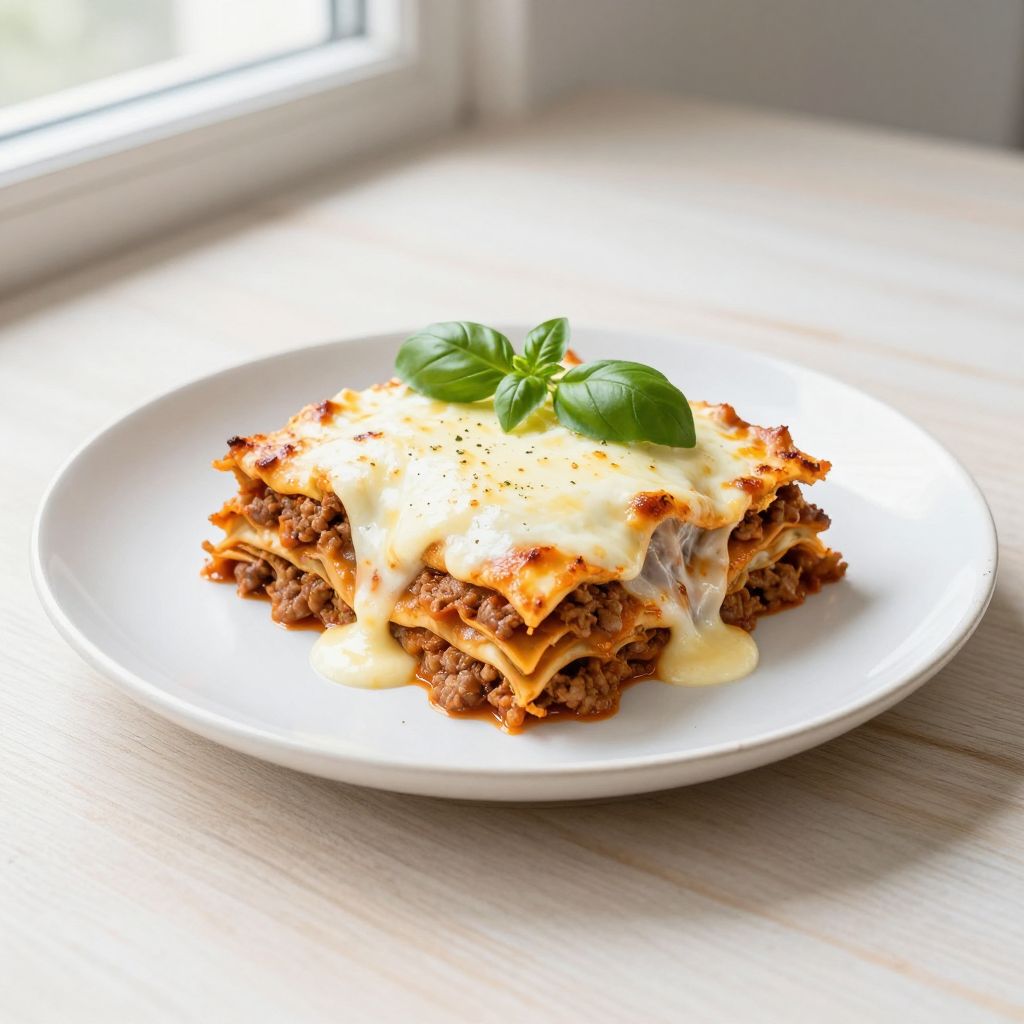
Lasagna is a beloved Italian dish known for its layers of pasta, cheese, and savory meat or vegetables. Its hearty nature makes it a popular choice for family gatherings and meal prep. However, as with all indulgent dishes, understanding its calorie content can help you make informed dietary choices.
The number of calories in lasagna can vary significantly based on its ingredients, portion sizes, and preparation methods. Let’s delve into the nutritional aspects and suitable portions of this comforting classic.
How Many Calories Does Lasagna Have?
The calorie content of lasagna can range from about 300 to 600 calories per serving, depending on the type and ingredients used. A standard slice of traditional meat lasagna typically contains around 400-500 calories. Vegetarian versions may contain similar calories, especially if made with rich cheese or creamy sauces.
Nutritional Breakdown of Lasagna
Lasagna’s nutritional content depends on the ingredients. Here’s a general breakdown based on a typical meat lasagna:
- Calories: Approximately 400-500 per serving
- Protein: 20-25 grams
- Fat: 15-25 grams
- Carbohydrates: 40-50 grams
- Fiber: 2-4 grams
- Sodium: 600-800 mg
Vegetarian lasagna may have lower calories but can still contain substantial fat if it includes ingredients like ricotta cheese or creamy sauces. Additionally, the use of whole wheat lasagna noodles or additional vegetables can alter the caloric content as well.
Factors Affecting Caloric Content
1. Type of Meat
Meat-based lasagnas typically use beef, pork, or chicken. Leaner meats, such as ground turkey, can reduce overall calories, while fatty cuts can increase them. For a lighter dish, consider using turkey or lean ground beef.
2. Cheese Varieties
Cheese often adds considerable calories. Traditional recipes may include mozzarella, ricotta, and parmesan cheese. Using part-skim versions of these cheeses can significantly lower the calorie count while maintaining flavor.
3. Sauces
Heavy sauces, especially cream-based or thick marinara, contribute to the calorie density of lasagna. Homemade sauces often allow for healthier alternatives, such as using fresh tomatoes and herbs instead of store-bought sauces, which may be high in sugar or fat.
4. Pasta Type
Regular lasagna noodles are made from white flour and are higher in calories but offer minimal fiber. Opting for whole grain or vegetable-based lasagna sheets can improve nutritional content without sacrificing too much on flavor.
5. Portion Size
Portion sizes may vary, but many servings are around 1/6th to 1/8th of a standard 9×13-inch pan. Larger portions significantly increase calorie intake. Opting for smaller servings paired with a salad can make for a more balanced meal.
Understanding Serving Sizes
To manage calorie intake, it’s essential to understand proper serving sizes. A typical serving of lasagna (1/6 of a 9×13 pan) contains around 400-500 calories. Consider using measuring tools or plates to help visualize portions effectively.
Tips for Making Lighter Lasagna
If you’re looking to enjoy lasagna while being mindful of calorie intake, consider the following tips:
- Use lean meats: Ground turkey or chicken can lower fat content.
- Substitute cheeses: Opt for low-fat or plant-based cheese alternatives.
- Add vegetables: Incorporate spinach, zucchini, or mushrooms to increase fiber, vitamins, and minerals without adding many calories.
- Reduce pasta: Try using zucchini or eggplant slices in place of traditional lasagna noodles.
Vegetarian and Gluten-Free Options
Lasagna can easily be adapted to suit various dietary preferences, which can also affect its caloric content.
Vegetarian Lasagna
Vegetarian lasagna typically relies on layers of vegetables, cheeses, and sauces. A serving may contain around 300-400 calories. The calorie count can be minimized with the use of low-fat cheeses and an emphasis on vegetables.
Gluten-Free Lasagna
For those needing gluten-free options, there are gluten-free lasagna noodles available. Cauliflower or zucchini can also serve as substitutes for traditional pasta, lowering the calorie count significantly while still providing a satisfying meal.
How to Calculate Calories in Homemade Lasagna
If you’re making your version of lasagna, it can be helpful to calculate the calorie content based on the specific ingredients you use. Here’s a step-by-step guide:
- List all ingredients with their quantities.
- Find the caloric value of each ingredient using a nutritional database or food packaging.
- Calculate the total calorie count by adding the calories from all ingredients.
- Divide the total by the number of servings to get the calorie per serving.
This method empowers you to have control over your meal’s nutrition and allows you to adjust ingredients based on dietary preferences.
Common Mistakes When Making Lasagna
While making lasagna can seem straightforward, several common mistakes can impact both flavor and healthiness:
- Ignoring moisture: Ensure layers don’t become too wet or dry, which can affect texture.
- Overloading with cheese: This can lead to excessive calories and fat. Moderation is key.
- Using too many processed ingredients: Store-bought sauces or cheeses can often be high in sodium and preservatives.
Storing and Reheating Lasagna
Lasagna can be made ahead and stored for later. Here are guidelines for storage that maintain taste and safety:
Storage
Allow the lasagna to cool completely before storing. Cover tightly with plastic wrap or aluminum foil and place it in the refrigerator, where it can last for 3-5 days. For longer storage, lasagna can be frozen for up to three months.
Reheating
To reheat lasagna, it can be done in the oven or microwave:
- Oven: Preheat to 350°F (175°C) and bake covered for about 30-40 minutes or until heated through.
- Microwave: Place a serving on a microwave-safe plate and heat on medium for 2-3 minutes, checking periodically.
Final Thoughts
Enjoying lasagna doesn’t have to mean sacrificing a healthy diet. By being mindful of ingredient choices, portion sizes, and preparation methods, you can enjoy this comforting dish without the guilt. Understanding how many calories your lasagna contains allows you to make it fit into a balanced meal plan.
Armed with these insights, you’re ready to create or enjoy lasagna that aligns with your nutritional goals. Whether you opt for a traditional recipe or a lighter version, lasagna remains a delicious family favorite.
Explore further to enhance your culinary skills and meal planning with our other guides. Check out our recipe for Million Dollar Lasagna or learn how long it takes to cook lasagna.