
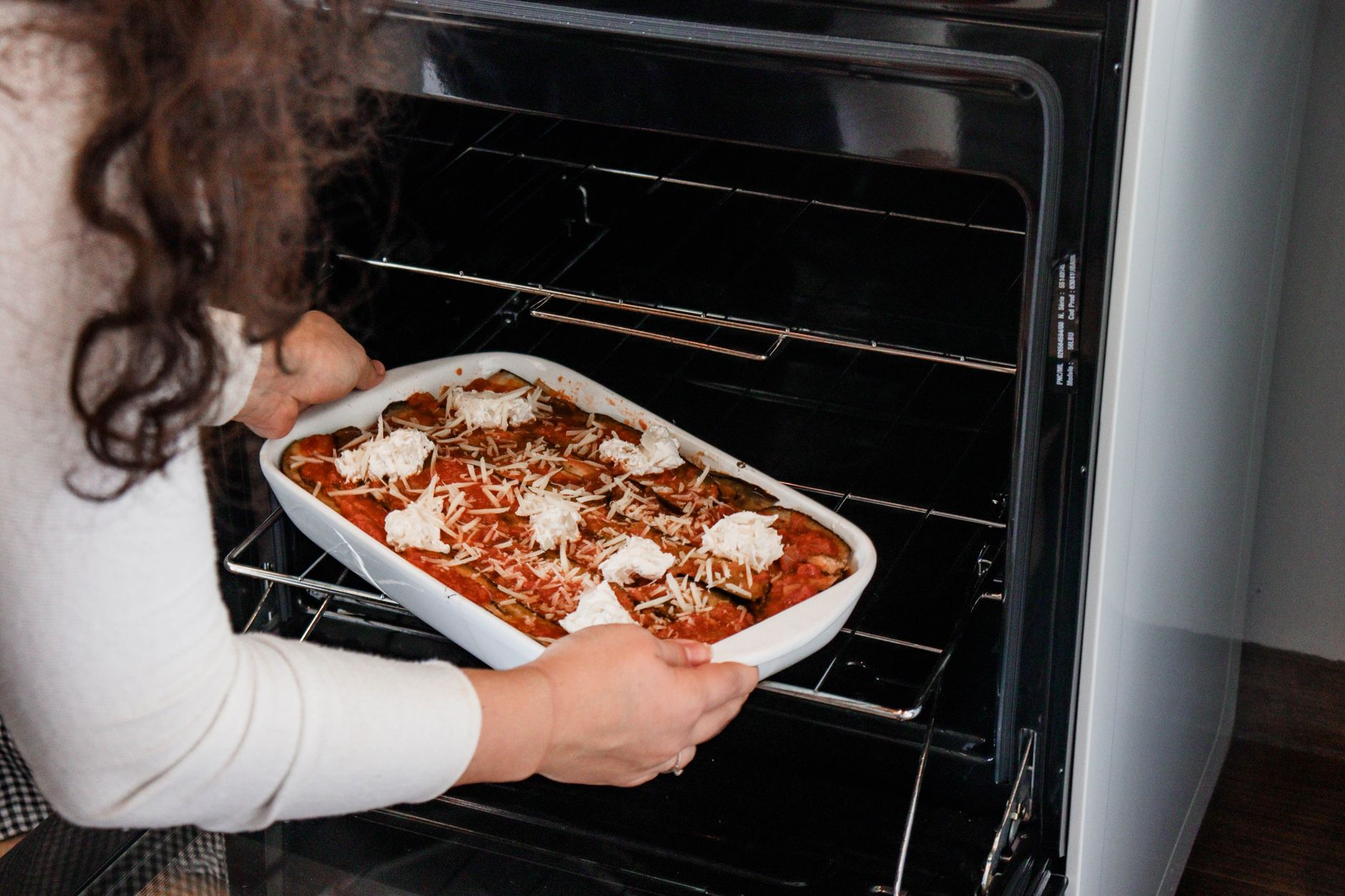
Lasagna is a beloved Italian dish known for its layers of pasta, rich sauce, and melty cheese. Whether you’re making a traditional version with meat or opting for a vegetarian alternative, understanding how long it takes to cook lasagna is key to achieving the perfect balance of textures and flavors.
This guide will discuss the cooking time for lasagna, covering various preparation methods, oven settings, and tips for ensuring your lasagna is both delicious and well-cooked. Lasagna typically requires some upfront prep time, whether you’re making it from scratch or assembling it with pre-made ingredients.
How Long Does Lasagna Take To Cook?
The cooking time for lasagna generally ranges from 45 minutes to 1 hour in a conventional oven. This time can vary based on several factors, including the oven temperature, whether the lasagna is prepared in advance, and whether the ingredients are pre-cooked. In this article, we’ll detail the various methods and tips to ensure your lasagna is cooked to perfection.
Factors Affecting Cooking Time
Several elements can impact how long your lasagna takes to cook:
- Oven Temperature: Most lasagna recipes recommend baking at 375°F (190°C), but some may advise higher or lower temperatures. Cooking at a higher temperature will decrease cooking time.
- Ingredients: Using pre-cooked noodles or sauces will shorten the cooking time since these components require less baking time to heat through.
- Assembly: Tiered layers, additional ingredients, or a thicker lasagna will traditionally take longer to cook compared to a simpler layout.
- Resting Time: Allowing the lasagna to rest after cooking can help it hold its shape and improve texture. This resting period can be beneficial, even if it adds a little waiting time.
Common Lasagna Recipes
Lasagna recipes can differ significantly, but they generally follow a similar structure. Let’s explore a few common variations and how long each takes to prepare and bake.
Traditional Meat Lasagna
This classic recipe includes layers of ground meat, cheese, and marinara sauce. It typically requires the following:
- Preparation Time: 30-45 minutes
- Cooking Time: 45-60 minutes
- Total Time: Approximately 1.5 hours
Brown the meat beforehand, layer your noodles, sauce, and cheese, and bake until bubbly and golden.
Vegetarian Lasagna
A vegetarian version substitutes meat with layers of vegetables, ricotta, and marinara. Preparation and cooking times are quite similar:
- Preparation Time: 20-30 minutes
- Cooking Time: 30-50 minutes
- Total Time: Approximately 1 hour
The cooking time may be shorter since vegetables will require less time to heat through than meat.
Spinach and Ricotta Lasagna
This light variant uses spinach instead of heavier ingredients.
- Preparation Time: 20-30 minutes
- Cooking Time: 30-40 minutes
- Total Time: Approximately 1 hour
Oven settings and ingredient prep can affect the overall cooking time.
Step-by-Step Cooking Instructions
Here is a general method for cooking lasagna, regardless of its variation.
- Gather Your Ingredients: You will need lasagna noodles, cheese (ricotta, mozzarella, and Parmesan), sauce, and your choice of meat or vegetables.
- Preheat Your Oven: Set your oven to 375°F (190°C).
- Prepare the Sauce: If using raw meat, cook it in a skillet until browned. If pre-cooked, warm it slightly with the sauce.
- Boil the Noodles (if needed): Conventional lasagna noodles will typically need to be boiled until al dente. No-boil noodles can be layered directly.
- Assemble in Layers: Start with sauce, followed by noodles, then cheese, and repeat until you’ve used all your ingredients.
- Cover with Foil: This helps to retain moisture during the cooking process.
- Bake: Place in the oven for approximately 30 minutes. Remove foil and bake an additional 15-30 minutes until the top is bubbly and golden.
- Rest the Lasagna: Allow at least 10-15 minutes before cutting to let the layers set.
Useful Tips for Cooking Lasagna
To ensure a well-cooked lasagna, here are some essential tips:
- Use a Meat Thermometer: If including meat, ensure it reaches an internal temperature of 160°F (71°C) for safety.
- Layer Correctly: Avoid overloading layers. Stacking too high can create uneven cooking.
- Keep it Covered: Cover your lasagna with foil for at least the first half of cooking to prevent it from becoming dry.
- Let It Rest: Resting allows the lasagna to firm up and makes serving easier.
Common Mistakes and How to Fix Them
Some mistakes can lead to undercooked or overly dry lasagna. Here’s how to troubleshoot:
Overcooked Lasagna
This can result from a high oven temperature or too long in the oven. If your edges look too brown, cover it with foil during the last minutes of cooking.
Raw Centers
If the edges look done, but the center is undercooked, it might be due to too many layers or insufficient cooking time. Allow more time to cook, but cover it to avoid burning.
Dry or Crusted Top
To prevent dryness, baste with additional sauce or cover with foil during most of the cooking process.
Storage and Reheating Guidance
If you have leftover lasagna or want to make it ahead of time, here’s how to store and reheat it properly:
Storing Lasagna
- Allow it to cool to room temperature before covering with foil or transferring to an airtight container.
- Store in the refrigerator for up to 3-5 days or freeze for up to 3 months.
Reheating Lasagna
- To reheat in the oven, preheat to 350°F (175°C) and bake covered with foil for about 20-30 minutes.
- For microwave reheating, cut into smaller portions and heat in increments of 1-2 minutes until heated through.
Lasagna Variations and Substitutions
To accommodate dietary preferences or ingredient availability, consider these common substitutions:
Cheese
- Swap ricotta with cottage cheese for a lighter option.
- Use a dairy-free cheese if you need a vegan option.
Noodles
- Whole wheat or gluten-free lasagna noodles serve as an alternative for different dietary needs.
- Alternatives like zucchini slices or eggplant can be used in place of noodles for low-carb versions.
Sauce
- For a white sauce variation, consider using béchamel instead of marinara.
- Homemade sauces can be substituted for store-bought for a fresher flavor.
Serving Suggestions
Lasagna can be a complete meal on its own but can be enhanced with side dishes such as:
- A simple green salad with vinaigrette.
- Garlic bread or breadsticks for added texture and flavor.
- Steamed or roasted vegetables to balance the dish.
Overall, lasagna is a versatile and satisfying dish that can be tailored to many tastes and dietary preferences. Understanding the cooking time and methods allows you to enjoy this comforting meal at its best. By keeping these factors and tips in mind, crafting a delicious lasagna becomes not just achievable but enjoyable.
Now that you know how to prepare and cook lasagna well, why not try out our Million Dollar Lasagna Recipe or check out our Sheet Pan Lasagna Recipe? Explore more delicious recipes, cooking tips, and food guides to elevate your culinary skills!