
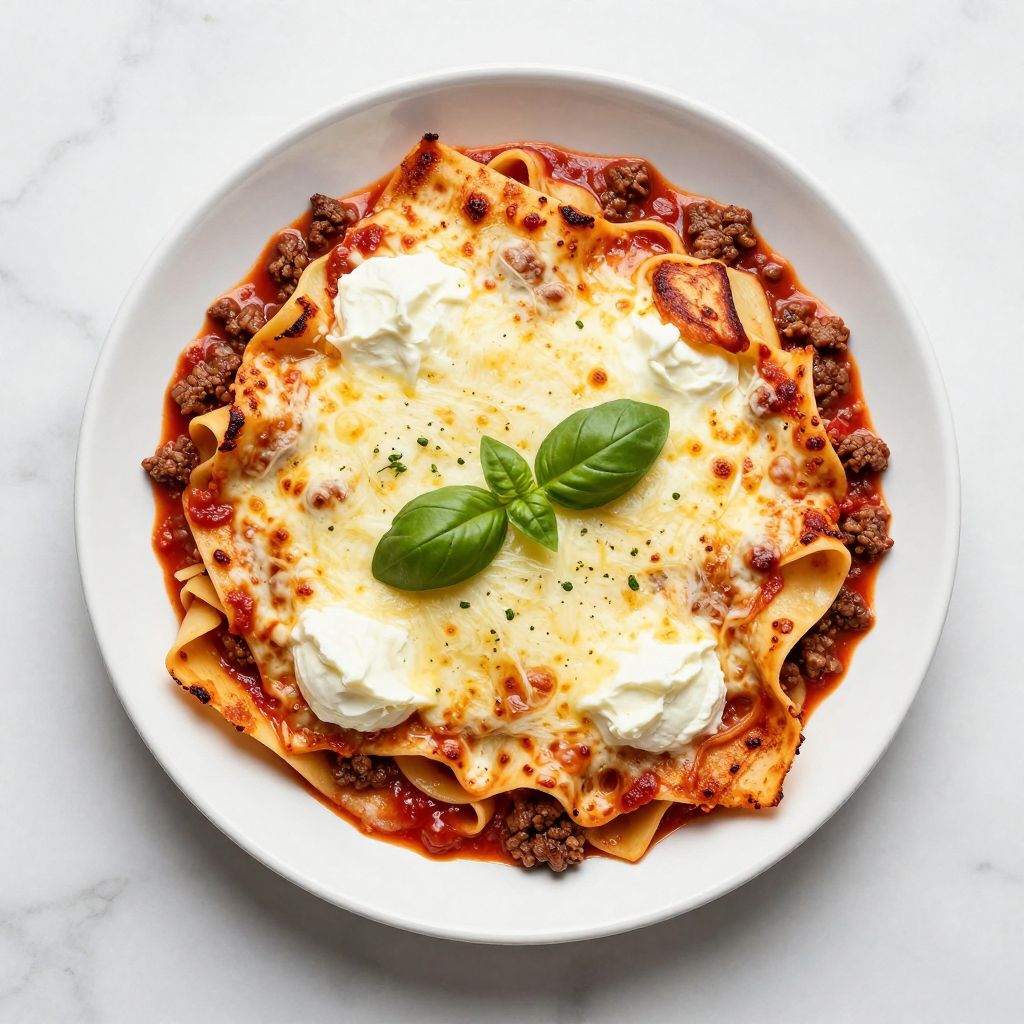
Picture this: a bubbling sheet pan of lasagna pulling from the oven, layers of pasta and cheese catching the light, the aroma filling your entire kitchen with that unmistakable comfort-food perfume. Sheet pan lasagna is the weeknight warrior version of the classic Italian dish, delivering all the flavor and none of the fussy layering that makes traditional lasagna feel like a production.
This recipe strips away the complexity while keeping everything that makes lasagna irresistible: tender pasta, rich meat sauce, creamy ricotta, and melted mozzarella all in one pan. Unlike its fussy cousin, sheet pan lasagna comes together in about 45 minutes total, making it perfect for busy families who want restaurant-quality comfort food without the stress.
What makes this version special is how it breaks all the “rules” in the best way possible, delivering a crispy-edged, hearty bake that tastes like you spent hours on it. Let’s get into how to make this crowd-pleasing masterpiece.
Why You’ll Love This Recipe
Sheet pan lasagna cuts your cooking time in half while delivering layers of flavor that rival the traditional version. You get the same satisfaction with a fraction of the fussing.
- Done in under 45 minutes from start to table
- One pan means one cleanup, not five
- Edges get crispy and caramelized for extra texture
- Feeds 6 to 8 people, making it perfect for families
- Freezes beautifully for future quick dinners
My Experience Making This Recipe
The first time I made sheet pan lasagna, I was skeptical that breaking the noodles and ditching the traditional layering method would work. Ten minutes into eating it, my doubts vanished completely.
My kids actually fought over the corner pieces because they loved the crispy cheese edges, something that never happens with regular lasagna. The sauce stayed rich and meaty, the cheese melted into every crevice, and nobody could tell this wasn’t made the “proper” way.
Since that first attempt, this recipe has become my go-to for potlucks, weeknight dinners, and those moments when I need comfort food fast. It’s earned permanent real estate in my rotation.
Recipe Overview
- Recipe Name: Sheet Pan Lasagna
- Servings: 6 to 8
- Prep Time: 10 minutes
- Cook Time: 35 minutes
- Total Time: 45 minutes
- Course: Main Course
- Cuisine: Italian-American
- Calories per Serving: 520
Equipment You Will Need
- 18 x 13-inch sheet pan or half sheet pan
- Large skillet or Dutch oven
- Wooden spoon for stirring
- Measuring cups and spoons
- Medium mixing bowl
- Knife and cutting board
- Oven mitts or kitchen towels
- Instant-read thermometer (optional but helpful)
Ingredients for Sheet Pan Lasagna
- Ground beef: 2 pounds, 80/20 blend
- Onion: 1 medium, diced
- Garlic: 4 cloves, minced
- Marinara sauce: 24 ounces (one large jar)
- Lasagna noodles: 1 pound, broken into 2-inch pieces
- Ricotta cheese: 15 ounces
- Mozzarella cheese: 2 cups shredded (8 ounces)
- Parmesan cheese: 1/2 cup grated
- Egg: 1 large
- Salt: 1 teaspoon
- Black pepper: 1/2 teaspoon
- Italian seasoning: 1 teaspoon
- Olive oil: 2 tablespoons
Ingredient Notes and Substitutions
- Ground beef: The backbone of the sauce, providing richness and meaty texture. Swap with ground turkey or Italian sausage for different flavor profiles.
- Ricotta cheese: Creates a creamy middle layer that balances the meat and sauce. Use cottage cheese in a pinch, though the texture will be slightly different.
- Mozzarella cheese: The melting star that gets bubbly and golden. Part-skim works fine, but whole milk mozzarella melts more smoothly.
- Marinara sauce: Store-bought sauce saves time without sacrificing quality. Make your own if you prefer, using 24 ounces of homemade sauce.
- Lasagna noodles: Breaking them means no soaking required, saving another step. Use gluten-free noodles for a dietary swap without changing the method.
How to Make Sheet Pan Lasagna
Step 1: Brown the Ground Beef and Build the Base
Heat olive oil in a large skillet over medium-high heat and add the diced onion. Cook for 3 minutes until soft, then add minced garlic and cook another minute until fragrant.
Add ground beef to the pan and break it apart with a wooden spoon, cooking until fully browned and no pink remains, about 5 to 7 minutes. Breaking the meat into small pieces ensures even cooking and better distribution throughout the lasagna.
Step 2: Build the Sauce
Pour the marinara sauce into the pan with the browned beef and stir everything together thoroughly. Season with salt, black pepper, and Italian seasoning, then simmer for 5 minutes.
This brief simmer lets the seasonings meld into the sauce, creating deeper flavor without extra ingredients or time. Taste and adjust seasonings now if needed.
Step 3: Prepare the Ricotta Mixture
While the sauce simmers, combine ricotta cheese, one egg, 1 cup of mozzarella, 1/4 cup of Parmesan, 1/2 teaspoon salt, and 1/4 teaspoon pepper in a medium bowl. Mix until completely blended.
The egg acts as a binder, holding the ricotta mixture together during baking so it doesn’t dry out. Mixing thoroughly ensures even seasoning throughout.
Step 4: Preheat the Oven and Prepare the Pan
Preheat your oven to 400 degrees Fahrenheit and lightly oil the sheet pan with olive oil. A hot oven ensures the lasagna bakes through and the edges get crispy within the timeframe.
Step 5: Layer the Bottom of the Pan
Spread half of the meat sauce evenly across the bottom of the prepared sheet pan. This creates a flavorful base layer that prevents sticking and distributes flavor throughout.
Step 6: Add the Broken Noodles and Ricotta
Scatter half of the broken lasagna noodles over the sauce layer, breaking them into roughly 2-inch pieces as you go. Dollop half of the ricotta mixture over the noodles and spread it in thin, even patches.
Breaking the noodles means they cook quickly without pre-boiling, and spreading the ricotta in patches lets the sauce shine through in some areas while creating creamy pockets in others.
Step 7: Create the Final Layers
Pour the remaining meat sauce over the ricotta layer, spreading it evenly to coat everything. Top with the remaining broken noodles, then finish with dollops of the remaining ricotta mixture.
This layering strategy means every forkful gets sauce, pasta, and cheese in the right proportions.
Step 8: Top with Cheese and Bake
Sprinkle the remaining 1 cup of mozzarella and 1/4 cup of Parmesan evenly over the top. Bake at 400 degrees Fahrenheit for 25 to 30 minutes, until the cheese is bubbly and the edges are golden brown.
The high heat creates that desirable crispy-edged texture while melting the cheese perfectly. Let cool for 5 minutes before serving so the layers set slightly and won’t fall apart on the plate.
Pro Tip: Don’t skip the 5-minute rest after baking. This crucial pause lets the cheese firm up slightly, making the lasagna easier to portion and reducing the risk of it sliding apart on your plate.
Tips for the Best Sheet Pan Lasagna
- Use an 80/20 ground beef blend for the richest sauce without excessive grease that pools in the pan.
- Break noodles into uniform 2-inch pieces so they cook at the same rate and create even layers.
- Don’t skip the ricotta layer; it creates pockets of creamy contrast that balance the meat sauce perfectly.
- Check the lasagna at 25 minutes; ovens vary, and cooking too long dries out the edges.
- Use a meat thermometer to confirm the beef mixture reached 160 degrees Fahrenheit for food safety.
- Grate Parmesan fresh if possible; pre-grated versions contain anti-caking agents that prevent smooth melting.
Common Mistakes to Avoid
- Overcrowding the pan with too many noodles creates a dense, heavy lasagna that doesn’t bake through evenly.
- Skipping the salt in the ricotta mixture results in bland creamy layers that taste flat.
- Using watery sauce floods the pan and creates a soggy bottom layer instead of layered texture.
- Not breaking the noodles means they won’t cook through in the 30-minute window, leaving hard, crunchy pieces.
- Baking at too low a temperature fails to melt the cheese properly or create those crispy edges everyone loves.
Serving Suggestions
Sheet pan lasagna shines as the main event and needs just a few complementary sides to feel like a complete meal. The rich, hearty nature of this dish pairs beautifully with fresh, acidic, or light elements that balance the richness.
- Fresh garden salad with lemon vinaigrette to cut through the richness
- Garlic bread or crispy breadsticks for scooping up extra sauce
- Sauteed spinach or green beans with garlic for a veggie counterpoint
- Simple arugula salad with Parmesan shavings and olive oil
- Roasted broccoli or zucchini for extra vegetables without heaviness
Variations to Try
- Meat lovers version: Brown 8 ounces of Italian sausage alongside the beef and add 4 ounces of diced pancetta for smoky depth and extra richness.
- Vegetarian version: Replace ground beef with crumbled tofu or lentils mixed with mushrooms, which provides meaty texture and umami flavor without the meat.
- White sauce lasagna: Make a simple bechamel sauce with butter, flour, and milk instead of using marinara, creating a completely different but equally satisfying dish.
- Spicy version: Add 1/4 teaspoon red pepper flakes to the meat sauce and layer in sliced fresh peppers for heat and brightness.
- Loaded vegetable version: Stir chopped zucchini, bell peppers, and mushrooms into the meat sauce for extra vegetables and added texture.
Dietary Adaptations
- Gluten-free: Substitute gluten-free lasagna noodles, which break just as easily and cook in the same timeframe with no texture compromise.
- Dairy-free: Use dairy-free ricotta and mozzarella alternatives, though melting may be less dramatic than dairy versions.
- Low-carb or keto: Replace broken noodles with thinly sliced zucchini or cauliflower rice, which reduces carbs significantly while maintaining the layered structure.
- Vegetarian: Omit ground beef and double the mushrooms and lentils to create a hearty, protein-rich base that satisfies meat-eaters too.
Storage and Reheating
Refrigerator
Store leftover sheet pan lasagna in an airtight container for up to 4 days. The flavors actually improve slightly as the components meld together overnight.
- Cool completely before storing to prevent condensation
- Cut into portions before refrigerating for easy grab-and-go meals
- Store in shallow containers to promote even cooling and reheating
Freezer
Freeze unbaked lasagna for up to 3 months or baked leftovers for up to 2 months. Unbaked freezing works especially well if you want to prepare ahead for busy weeks.
- Freeze the unbaked lasagna right in the sheet pan, then wrap tightly in plastic wrap and foil
- Bake frozen lasagna at 375 degrees Fahrenheit for 50 to 60 minutes, covered with foil
- Label with the date so you remember what’s in the freezer
Reheating
Reheat refrigerated lasagna covered with foil at 350 degrees Fahrenheit for 15 to 20 minutes until heated through. Covering prevents the top from drying out while the interior warms.
- Remove foil for the last 5 minutes if you want to re-crisp the cheese top
- Microwave individual portions for 2 to 3 minutes for quick weeknight meals
- Never skip reheating; cold lasagna loses its appeal and texture
Nutrition Information
| Nutrient | Amount |
|---|---|
| Calories | 520 |
| Total Fat | 24g |
| Saturated Fat | 12g |
| Carbohydrates | 42g |
| Fiber | 3g |
| Sugar | 6g |
| Protein | 32g |
| Sodium | 890mg |
| Cholesterol | 78mg |
Nutrition values are estimates based on standard ingredients and an 8-serving yield. Actual values vary with specific brands and portion sizes used.
Frequently Asked Questions
Can I make this lasagna ahead of time?
Absolutely, and it’s one of the recipe’s best features. Assemble the sheet pan completely, cover it tightly with plastic wrap and foil, and refrigerate for up to 24 hours before baking. Bake it straight from the refrigerator, adding 5 to 10 minutes to the cook time since it starts cold.
Do I need to cook the noodles first?
No, breaking the noodles into small pieces means they cook through from the moisture in the sauce during the 30-minute bake. This saves time and one extra pot to wash.
Why does my lasagna come out watery?
Watery lasagna usually means the sauce contains too much liquid or the ricotta mixture was too wet. Use a thick marinara sauce, and make sure to mix the ricotta mixture thoroughly so the egg distributes evenly and binds everything together.
Can I use fresh noodles instead of dried?
Fresh lasagna sheets work but cook much faster and may turn mushy. If using fresh sheets, reduce bake time to 20 to 25 minutes and start checking for doneness earlier.
What’s the difference between this and traditional layered lasagna?
Breaking the noodles and layering everything in one pan eliminates the tedious assembly, reduces cooking time from 90 minutes to 30, and creates crispy edges that traditional lasagna doesn’t have. The flavor and satisfaction are virtually identical.
Can I double this recipe?
Yes, use two sheet pans and double all the ingredients. The bake time stays about the same since you have two pans with the same depth as one.
Final Thoughts
Sheet pan lasagna proves that shortcuts can actually improve a classic dish instead of diminishing it. You get restaurant-quality comfort food in less than an hour with minimal cleanup, which feels like winning the dinner lottery on a busy weeknight.
Make this recipe this week and discover why it’s becoming the go-to choice for families who want real food without the fuss. Once you taste those crispy cheese edges and layers of creamy, meaty goodness, you’ll understand why this simple version has earned such devoted fans.
Looking for more Italian-inspired dinners that come together quickly? Try our million dollar spaghetti recipe for another crowd-pleasing pasta bake that feels fancy but comes together in 30 minutes. If you’re in the mood for something with even more cheese and meat, our manicotti recipe with meat offers similar comfort with a slightly different presentation that kids and adults both love.
Sheet Pan Lasagna
Ingredients
Equipment
Method
- Heat 2 tablespoons olive oil in a large skillet over medium-high heat, add 1 medium diced onion and cook for 3 minutes until soft.
- Add 4 cloves minced garlic and cook for 1 minute until fragrant.
- Add 2 pounds ground beef and break into small pieces, cooking until browned and no pink remains, about 5 to 7 minutes.
- Stir in 24 ounces marinara sauce, season with 1 teaspoon salt, 1/2 teaspoon black pepper, and 1 teaspoon Italian seasoning, then simmer for 5 minutes.
- In a medium mixing bowl, combine 15 ounces ricotta cheese, 1 large egg, 1 cup shredded mozzarella (reserve from bag), 1/4 cup grated Parmesan, 1/2 teaspoon salt, and 1/4 teaspoon black pepper; mix until smooth.
- Preheat the oven to 400 degrees Fahrenheit and lightly oil an 18 x 13-inch sheet pan with olive oil.
- Spread half of the meat sauce evenly in the prepared sheet pan.
- Scatter half of the broken lasagna noodles over the sauce, then dollop half of the ricotta mixture in even patches.
- Spread the remaining meat sauce over the ricotta layer, top with remaining noodles, and dollop remaining ricotta mixture.
- Sprinkle remaining 1 cup shredded mozzarella and 1/4 cup grated Parmesan evenly over the top.
- Bake at 400 degrees Fahrenheit for 25 to 30 minutes until the cheese is bubbly and edges are golden brown.
- Let the lasagna rest for 5 minutes before serving to allow layers to set.