
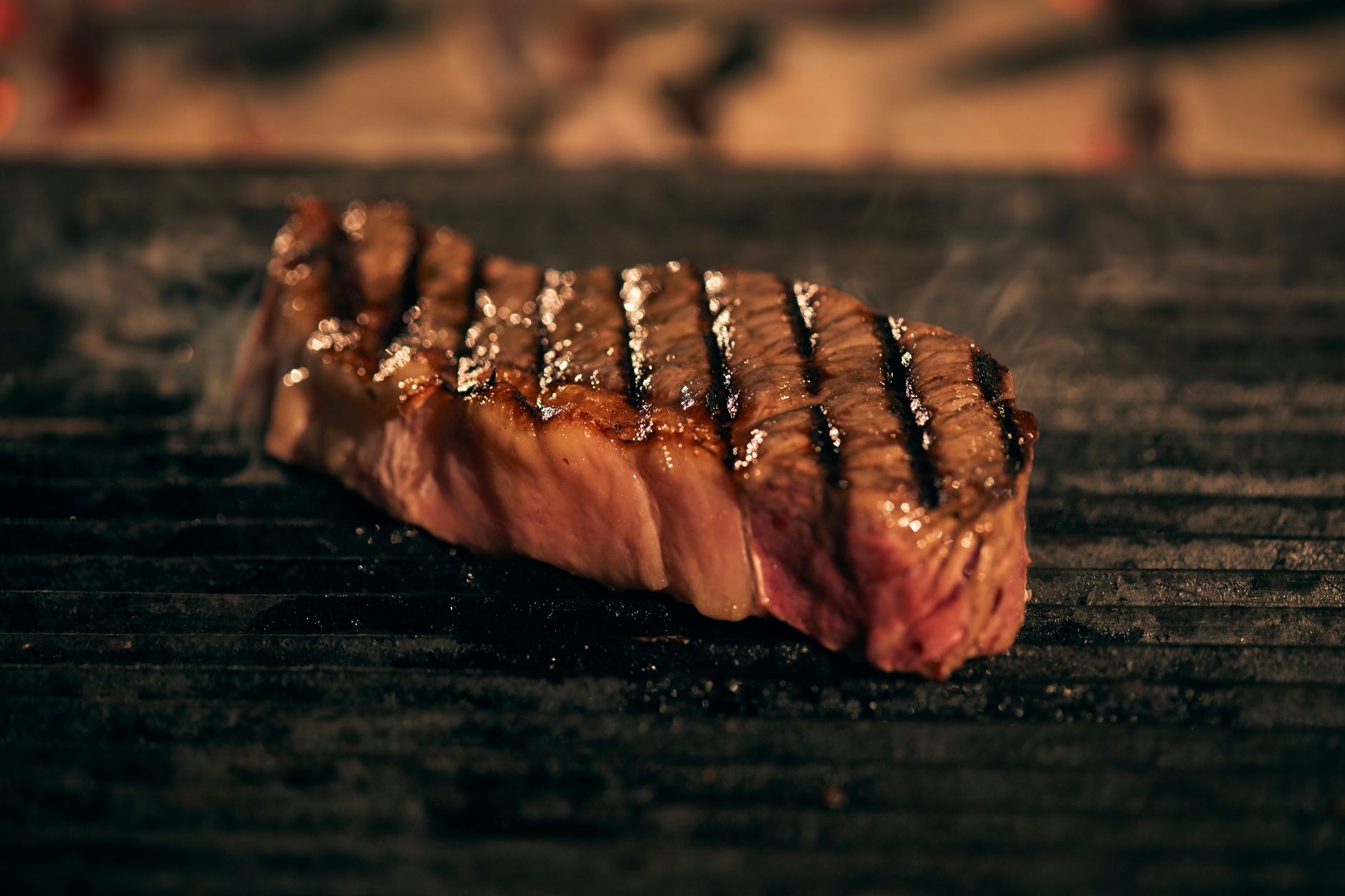
Ribeye steak, celebrated for its rich flavor and tenderness, raises a common question for those focused on weight loss: Is it a suitable choice? This article explores the nutritional profile of ribeye steak, its potential impact on weight management, and offers practical insights on portion control and preparation.
Understanding how ribeye steak fits into a balanced diet can help clarify whether it aligns with your weight loss goals. With some guidance on how to enjoy this cut responsibly, you can savor its flavor without derailing your efforts.
Is Ribeye Steak Good for Weight Loss?
Ribeye steak can be part of a weight loss diet when portion sizes are managed effectively. While it is higher in fat compared to other cuts, it also provides essential nutrients and protein, which can support feelings of fullness. The key to including ribeye in your weight loss plan lies in moderation and pairing it with healthy side dishes.
Nutritional Breakdown of Ribeye Steak
Before diving into the specifics of including ribeye steak in a weight loss diet, it’s essential to understand its nutritional value. A typical 3-ounce serving of ribeye steak typically contains:
- Calories: 250–300 calories
- Protein: 20–25 grams
- Fat: 20–24 grams
- Saturated Fat: 9–12 grams
- Iron: Approximately 2.3 mg (about 13% of daily value)
- Zinc: Approximately 5.4 mg (about 40% of daily value)
- Vitamin B12: 2.4 mcg (100% of daily value)
Ribeye steak is a good source of protein, which plays a vital role in muscle preservation during weight loss and can help increase satiety, thereby reducing overall calorie intake.
Understanding Fats in Ribeye Steak
The fats present in ribeye steak are primarily unsaturated fats, which can be beneficial in moderation. However, ribeye also contains saturated fats, which some health guidelines suggest limiting. The combination of flavor and fat in ribeye can enhance satisfaction from meals, which might prevent cravings later.
How Ribeye Steak Fits Into a Weight Loss Plan
When incorporating ribeye steak into a weight loss plan, consider the following:
- Portion Size: Limiting your serving to 3-4 ounces can help manage calorie intake while still enjoying the flavor.
- Frequency: Instead of having ribeye more than once a week, consider rotating it with leaner protein options such as chicken or fish.
- Cooking Methods: Opt for healthier cooking techniques like grilling, broiling, or pan-searing with minimal oil to keep calorie content in check.
- Balanced Meals: Pair ribeye with plenty of vegetables and whole grains. This not only adds volume and nutrients but assists in satiety.
Portion Control Strategies
Managing portion sizes is crucial when consuming higher-calorie foods like ribeye steak. Here are some effective strategies:
- Visual Cues: Use a kitchen scale to measure serving sizes or compare portions to common objects (e.g., a serving should be about the size of a deck of cards).
- Mindful Eating: Slow down while eating, savor the flavors, and focus on the experience. This practice can help you feel satisfied with smaller amounts.
- Pre-portioning: Before cooking, portion out the steak into individual servings to prevent overeating during meals.
Healthy Cooking Techniques for Ribeye Steak
How you cook ribeye steak can significantly influence its caloric and nutritional profile. Here are some healthy cooking methods:
- Grilling: This method not only adds flavor but also allows excess fat to drip away, reducing overall fat content.
- Pan-Searing: Use a non-stick skillet or a little high-quality oil to sear the steak. This method can produce a crispy outer layer while keeping the inside juicy.
- Broiling: Broiling the ribeye in the oven can give it a delicious crust without adding much extra fat.
Whichever method you choose, remember to avoid using excessive fats or sauces to retain a healthier profile.
Side Dishes that Complement Ribeye Steak
Pairing ribeye steak with healthy side dishes can enhance your meal’s nutritional value. Consider the following options:
- Grilled Vegetables: Zucchini, bell peppers, and asparagus are excellent choices that can be seasoned and grilled alongside the steak.
- Salads: A fresh salad made of leafy greens, tomatoes, cucumbers, and a low-calorie dressing can add volume to your plate without excessive calories.
- Whole Grains: Serve your ribeye with a small portion of quinoa, brown rice, or whole-grain couscous for healthy carbohydrates.
By incorporating plenty of vegetables and whole grains, you can create a balanced plate that supports weight loss.
Common Mistakes When Including Ribeye in a Diet
While ribeye steak can fit into a weight management strategy, it’s important to avoid common pitfalls:
- Large Portions: Serving sizes that are too generous can quickly turn what is an enjoyable meal into a calorie-dense one.
- Lack of Vegetables: Neglecting to include vegetables detracts from the meal’s overall health benefits and increases calorie density.
- Unhealthy Cooking Methods: Frying or slathering the steak in creamy sauces can add unwanted calories. Stick to healthier preparations.
Meal Planning with Ribeye Steak
Planning your meals ahead allows you to incorporate ribeye steak while keeping calories in check. Here are some tips:
- Weekly Menu: Design a weekly menu that features ribeye only once or twice, balancing it with lean proteins and vegetarian sources.
- Batch Cooking: Prepare ribeye in larger quantities and use the leftovers in salads, wraps, or stir-fries for easy meals during the week.
- Portion Dividers: Use meal prep containers that help you control portion sizes of steak, vegetables, and grains in advance.
Practical Tips for Shopping and Prep
To ensure you choose quality ribeye and prepare it well, consider the following tips:
- Quality Selection: When shopping, look for high-quality, grass-fed ribeye steaks when possible. They are often leaner and more flavorful.
- Storage: Store raw ribeye steak in the coldest part of your refrigerator and use it within 3-5 days or freeze for later use.
- Marination: Marinating the steak in herbs and vinegar can enhance flavor without adding significant calories. This also helps tenderize the meat.
Reheating Ribeye Steak
If you have leftovers, reheating ribeye steak without losing its flavor and texture can be a challenge. Here are effective methods:
- Oven Method: Preheat the oven to 250°F (121°C) and place the steak on a wire rack. Heat until warmed through (about 20–30 minutes).
- Stovetop Method: Place the steak in a skillet on low heat with a splash of broth. Cover and warm gently to avoid overcooking.
Alternatives to Ribeye Steak
If you are looking for alternatives to ribeye steak that fit better with your weight loss goals, consider the following:
- Sirloin Steak: Leaner than ribeye, sirloin steak still offers a good flavor profile without the higher fat content.
- Tenderloin: Known for its tenderness and lower fat, tenderloin can be a healthier alternative that still delivers a satisfying steak experience.
- Chicken Thighs: For a different protein option, skinless chicken thighs provide a flavorful and lean alternative.
Final Thoughts
Incorporating ribeye steak into a weight loss plan can be accomplished with mindful eating practices. By focusing on portion control, cooking methods, and accompanying healthy side dishes, you can enjoy this flavorful cut of meat without jeopardizing your weight loss goals. Balance, moderation, and preparation are pivotal in making ribeye steak a part of your dietary routine.
To explore more delicious recipes and cooking tips, check out our Beef Tips and Rice Recipe and learn how to enhance flavors with the Steak Seasoning Recipe.