
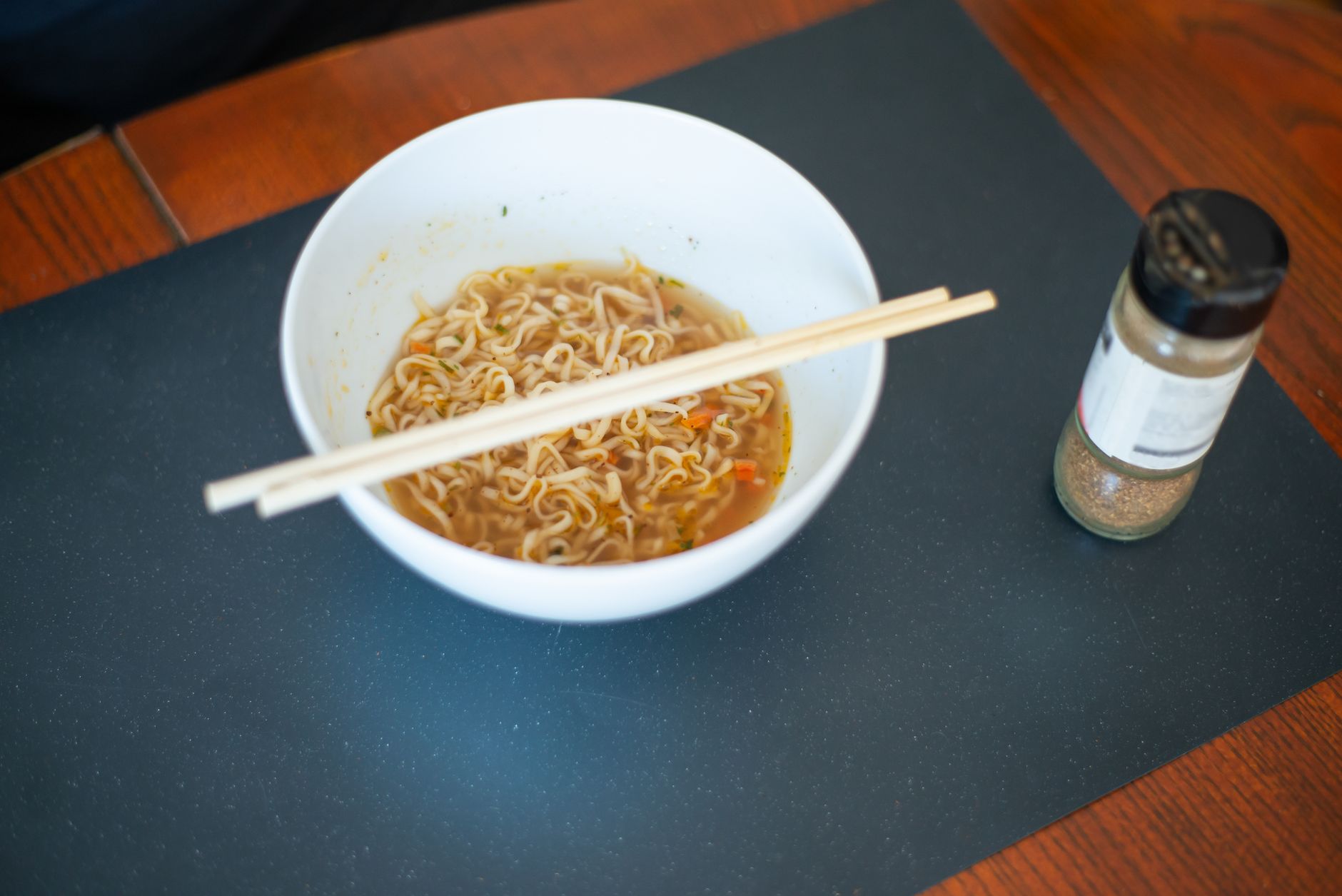
Ramen noodles are a beloved staple in many diets around the world, known for their versatile nature and comforting texture. However, one common question many people have is, “How many calories are in ramen noodles?” Understanding caloric content can help you better incorporate these noodles into your meal planning.
This article will delve into the calories found in various types of ramen noodles, factors influencing their caloric content, and best practices for including them in a balanced diet. Let’s explore the delicious world of ramen noodles.
How Many Calories Are in Ramen Noodles?
The calorie count in ramen noodles can vary significantly based on the type and preparation method. A typical serving of instant ramen noodles contains approximately 380 to 500 calories. However, fresh or homemade ramen noodles may have a different caloric count, often around 200 to 300 calories per serving.
Types of Ramen Noodles and Their Calories
Ramen noodles are produced in various forms, and each type can have a distinct caloric value.
Instant Ramen Noodles
Instant ramen noodles are pre-cooked and dehydrated, allowing for quick preparation. Most brands offer noodles that range from 380 to 500 calories per serving, typically consisting of around 85 grams of dry noodles.
Fresh Ramen Noodles
Fresh ramen noodles, which are often found in restaurants or made at home, usually contain fewer calories, around 200 to 300 calories per serving. The exact amount depends on the specific recipe and ingredients used.
Whole Wheat Ramen Noodles
For those looking for a healthier option, whole wheat ramen noodles are increasingly available. These generally contain similar calories to regular ramen but offer additional fiber and nutrients, making them a more balanced choice.
Rice Noodles
While not traditional ramen, rice noodles are often used in similar dishes. They offer about 190 calories per serving, making them a lower-calorie alternative for noodle-based meals.
Factors Influencing Caloric Content
The caloric content of ramen noodles can be influenced by several factors, including ingredients, cooking methods, and added toppings.
Ingredients
The ingredients used to make the noodles themselves can affect calories. For example, noodles made with high-gluten flour tend to have a higher calorie content. Moreover, flavored ramen packs often add additional calories through seasonings and sauces.
Serving Size
How many noodles you typically consume can also impact your caloric intake. A standard single serving is around 85 grams for dry ramen, but many people may inadvertently consume more, especially in restaurant settings.
Cooking Method
The method of preparing your ramen—whether boiling, frying, or seasoning—also plays a critical role. For instance, adding oil can significantly increase the calorie count.
Added Toppings
Toppings such as eggs, meat, vegetables, and sauces can enhance the dish but also add to the total calorie count. For example, a soft-boiled egg can add around 70 calories, while cooked pork may add 200 calories or more.
How to Make Your Ramen Noodles Healthier
If you’re concerned about the caloric content of ramen, several strategies can help you enjoy this dish while keeping it nutritious.
Choose Whole Wheat or Low-Carb Options
Switching to whole wheat ramen noodles can provide more fiber and nutrients, while low-carb options can significantly reduce caloric intake.
Use Less Seasoning Pack
Many instant ramen packs come with seasoning that can be high in sodium and artificial ingredients. Use half the packet or make your own seasoning mix using herbs and spices to reduce calories and enhance flavor without the excess.
Bulk Up Your Dish
Incorporating more vegetables can bulk up your meal without adding many calories. Vegetables like spinach, bok choy, and mushrooms can enhance nutrition while adding flavors and textures.
Control Portion Sizes
Be mindful of portion sizes. If you typically consume a larger serving, consider measuring out a standard serving of noodles to better control your calorie intake.
Limit Calorically Dense Toppings
Instead of high-calorie toppings like fried tofu or large amounts of meat, opt for lighter options such as boiled eggs, lean protein, or additional greens to maintain flavor without a high caloric cost.
Common Mistakes When Cooking Ramen Noodles
Not Reading the Label
Always check the nutritional label. Different brands and types of ramen can have different caloric values, additives, and cooking instructions.
Overcooking Noodles
Overcooked noodles can become mushy and unpalatable. Pay attention to cooking time for the best texture.
Using Too Much Seasoning
Instant ramen seasoning packets often contain high levels of sodium and artificial flavors. Using the whole packet can add more calories than necessary and may not be healthful.
Storage and Reheating of Ramen Noodles
Proper storage of ramen noodles can extend their shelf life and maintain their quality.
Uncooked Instant Ramen
Keep uncooked instant ramen in a cool, dry place. They typically have a long shelf life.
Cooked Ramen Noodles
After cooking, allow ramen to cool before storing. Place in an airtight container in the refrigerator, where they will last about 3-5 days.
Reheating Ramen Noodles
Reheat noodles by adding a little water and microwaving or in a pot on the stove with a splash of broth. This prevents them from drying out and helps restore their original texture.
Conclusion
Understanding the caloric content of ramen noodles can help you better incorporate them into a balanced diet. By choosing healthier options and being mindful of serving sizes, toppings, and cooking methods, you can enjoy this versatile dish without compromising on nutrition.
For a delicious creamy ramen recipe, check out this creamy ramen recipe or learn how to make your own seasoning with this ramen seasoning recipe. Exploring these dishes can elevate your ramen experience and make every bowl more enjoyable.