
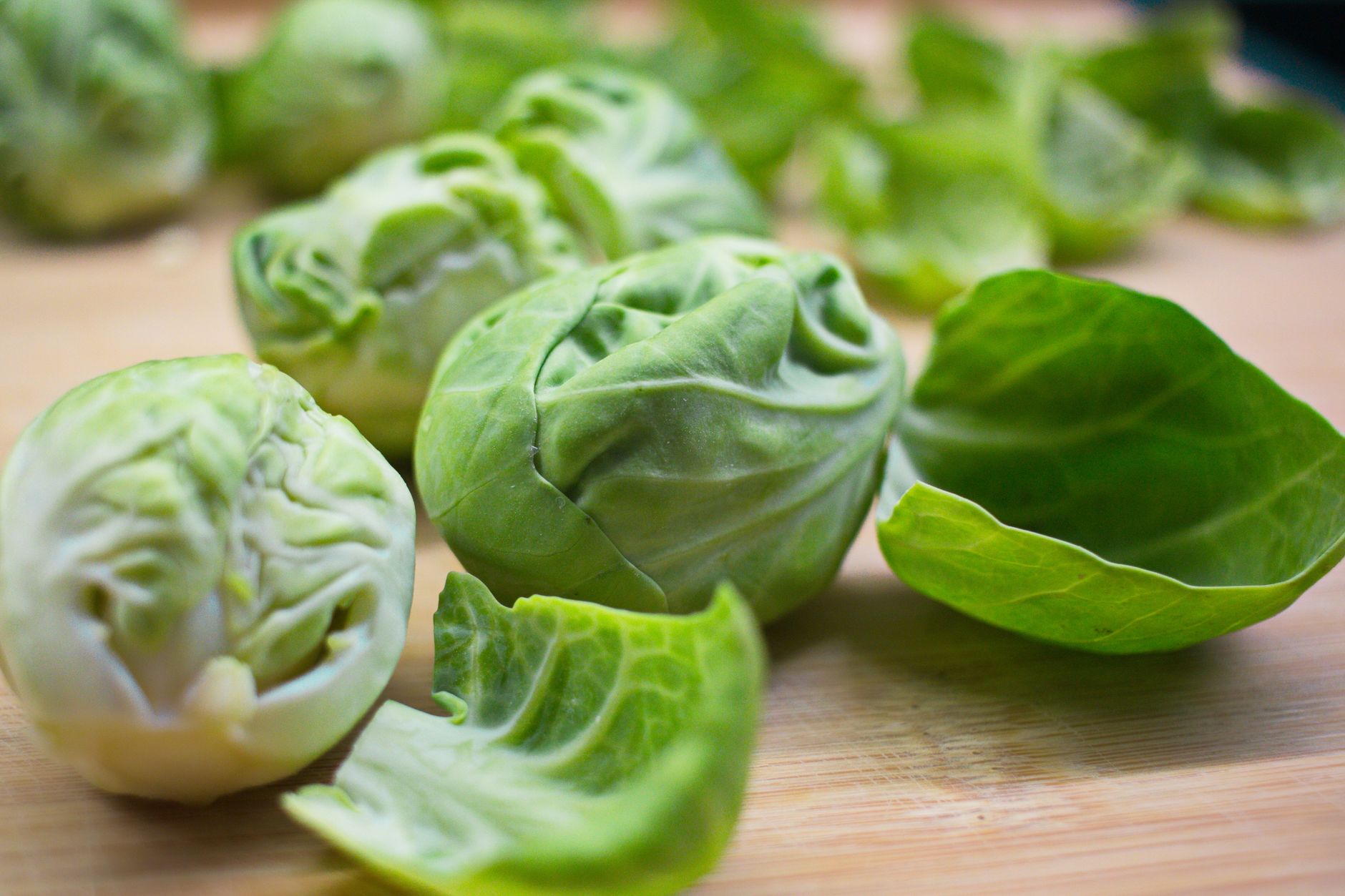
Brussels sprouts are a nutritious and versatile vegetable that has gained popularity in many kitchens. When planning meals or focusing on a balanced diet, understanding the calorie content of ingredients is key. In this article, we will explore how many calories are in Brussels sprouts and provide insights into their nutritional profile, health benefits, and ways to incorporate them into your meals.
Brussels sprouts belong to the cruciferous vegetable family, which includes broccoli, cabbage, and kale. They are often considered a healthful addition to your diet due to their low calorie count and high nutrient density. Let’s delve into the specifics regarding their calorie content, preparation methods, and other important nutritional aspects.
How Many Calories Are in Brussels Sprouts?
Brussels sprouts are low in calories, with approximately 38 calories in a cup (about 88 grams) of cooked Brussels sprouts. When consumed raw, the calorie count is slightly lower, measuring around 28 calories per cup. This makes them an excellent choice for those looking to manage their weight while still enjoying flavorful and nutritious meals.
Nutritional Profile of Brussels Sprouts
In addition to being low in calories, Brussels sprouts offer a rich array of vitamins, minerals, and antioxidants. Here’s a breakdown of their nutritional composition per one cup (cooked):
- Calories: 38
- Carbohydrates: 8 grams
- Protein: 3 grams
- Fat: 0.3 grams
- Fiber: 3 grams
- Vitamin C: 97% of the Daily Value (DV)
- Vitamin K: 137% of the DV
- Folate: 24% of the DV
- Manganese: 22% of the DV
- Pantothenic acid: 15% of the DV
This nutrient density highlights the many health benefits Brussels sprouts can provide, making them a valuable addition to any diet.
Health Benefits of Brussels Sprouts
Brussels sprouts are associated with several health benefits, thanks to their unique nutrient profile:
1. High in Antioxidants
Antioxidants combat oxidative stress in the body and may reduce the risk of chronic diseases. Brussels sprouts contain various antioxidants, including kaempferol, which has been linked to improved heart health.
2. Supports Digestive Health
With 3 grams of fiber per cup, Brussels sprouts aid in digestion and promote regularity. High-fiber foods can help maintain a healthy gut and reduce constipation.
3. May Help Manage Blood Sugar Levels
The fiber and nutrient content of Brussels sprouts can contribute to better blood sugar management, making them a smart choice for individuals with diabetes or those looking to maintain stable energy levels.
4. Rich in Vitamins and Minerals
The substantial amounts of vitamin C and K found in Brussels sprouts play critical roles in immune function, bone health, and wound healing. These vitamins are essential for overall wellbeing.
5. Potential Anti-Inflammatory Properties
Brussels sprouts contain several compounds that may have anti-inflammatory effects, which could benefit those with chronic inflammation or conditions like arthritis.
Ways to Prepare Brussels Sprouts
Brussels sprouts can be prepared in various ways, making them versatile for different culinary applications. Here are some popular methods:
1. Roasting
Roasting Brussels sprouts brings out their natural sweetness and creates a crispy texture. Here’s a simple method:
- Preheat your oven to 400°F (200°C).
- Trim the ends of the Brussels sprouts and halve them if they are large.
- Toss the sprouts with olive oil, salt, and pepper.
- Spread them out on a baking sheet in a single layer.
- Roast for 20-25 minutes, or until crispy and caramelized, stirring halfway through.
2. Steaming
Steaming preserves the nutrients and natural flavor of Brussels sprouts. This method is easy and healthy:
- Prepare your steamer by adding water and bringing it to a boil.
- Trim and halve the Brussels sprouts.
- Add the sprouts to the steamer basket and cover.
- Steam for approximately 5-7 minutes, until tender but still bright green.
3. Sautéing
Sautéing Brussels sprouts with garlic or onions adds flavor and is a quick cooking method:
- In a pan, heat some olive oil over medium heat.
- Add sliced Brussels sprouts and cook for about 5-8 minutes, stirring frequently.
- Add minced garlic during the last minute of cooking.
4. Shaved Brussels Sprouts Salads
Raw, shaved Brussels sprouts can make a refreshing salad. Thinly slice them using a knife or a mandoline:
- Combine shaved Brussels sprouts with your choice of vegetables, nuts, and a vinaigrette.
- Let the salad sit for about 10-15 minutes to allow flavors to meld.
Ingredient Substitutions
If you’re in need of substitutions for Brussels sprouts in a recipe, several options make suitable alternatives:
- Broccoli Florets: Similar in texture and flavor with slightly different nutritional content.
- Cauliflower: Offers a comparable nutrient profile, although it’s less bitter.
- Cabbage: Another cruciferous option, which works well in both cooked and raw dishes.
Common Mistakes When Cooking Brussels Sprouts
While Brussels sprouts are relatively easy to prepare, some common mistakes can detract from their flavor and texture:
1. Overcooking
Overcooked Brussels sprouts can become mushy and release a strong, unpleasant odor. Aim for a tender-crisp texture by monitoring cooking times.
2. Not Prepping Properly
Failing to trim or clean Brussels sprouts can result in a less appealing texture and possible bitterness. Always trim the ends and remove any yellowing leaves.
3. Inadequate Seasoning
Brussels sprouts benefit from seasoning. A sprinkle of salt, pepper, and your favorite spices can significantly enhance their flavor.
4. Skipping the Test Taste
Don’t forget to taste during cooking. This will help you adjust seasonings and ensure they are cooked to your preference.
Storage and Reheating Tips
Proper storage of Brussels sprouts is essential for maintaining their freshness. Follow these guidelines:
Storage
- Fresh Brussels sprouts can be kept in a plastic bag in the refrigerator for up to a week.
- Cooked Brussels sprouts should be refrigerated in an airtight container and consumed within 3-5 days.
Reheating
To reheat cooked Brussels sprouts, opting for the oven or stovetop method will preserve their texture:
- Oven: Preheat to 350°F (175°C) and bake for about 10-15 minutes until heated through.
- Stovetop: Heat a pan over medium-low heat and add a splash of olive oil, then sauté until warmed.
Incorporating Brussels Sprouts into Your Meal Plan
Integrating Brussels sprouts into your meals can be easy and delicious. Here are some practical suggestions:
1. Breakfast
Add sautéed Brussels sprouts to a breakfast scramble or an egg frittata for an energizing start to your day.
2. Lunch
Include roasted Brussels sprouts in your lunch salads along with quinoa, citrus segments, or nuts for added crunch and flavor.
3. Dinner
Serve them as a side dish to accompany roasted meats, fish, or a hearty grain bowl.
4. Snacks
Roasted Brussels sprouts make for a healthy snack option. Pair them with hummus or yogurt dip for added flavor.
Final Thoughts
Brussels sprouts are not only low in calories, making them a smart addition to a balanced diet, but they also pack in a variety of vitamins, minerals, and health benefits. With various ways to prepare them and their compatibility with numerous dishes, they can easily find a place in any meal plan.
Consider adding Brussels sprouts to your grocery list for your next meal planning session. Whether roasted, steamed, sautéed, or raw, they offer flavor and health benefits that are hard to beat. Try them out in different recipes to discover your favorite way to enjoy them!
For more delicious vegetable ideas, check out our Shaved Brussels Sprouts Recipe or learn how to make Sauteed Cabbage as another nutritious side option.