
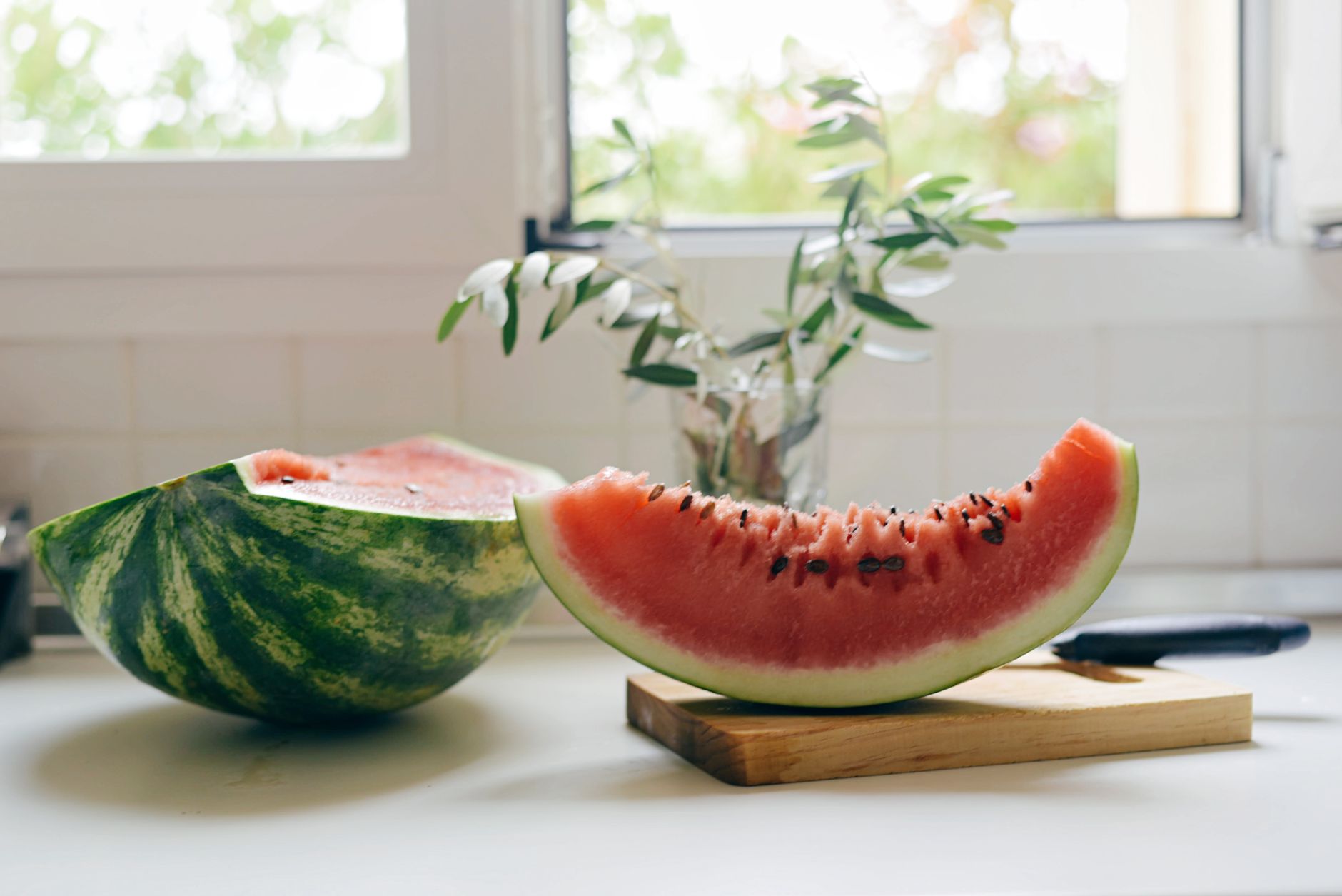
Watermelon is a juicy, refreshing fruit loved during the summer for its sweet taste and hydrating qualities. However, knowing how long watermelon lasts is essential for maintaining its flavor, texture, and safety. Understanding watermelon storage times and spoilage signs can help you enjoy this delicious fruit without waste.
This guide provides insights into how long watermelon lasts, effective storage methods, and signs of spoilage to look for. Whether you buy a whole watermelon or cut pieces, knowing the best ways to store them will preserve their freshness and flavor.
How Long Does Watermelon Last?
The shelf life of watermelon varies based on its form—whole, sliced, or cubed—and its storage conditions. Generally, a whole watermelon can last up to two weeks when stored correctly at room temperature. Once cut, however, watermelon has a much shorter shelf life.
Whole Watermelon Storage Duration
A whole watermelon can typically last 10 to 14 days when stored in a cool, dry place, away from direct sunlight. If you can place it in a refrigerator, it can extend its freshness for an additional time as long as it is still uncut.
Factors Affecting Whole Watermelon Longevity
- Temperature: Watermelon should ideally be kept at temperatures between 50°F and 60°F for optimal freshness.
- Quality at Purchase: Choose a firm watermelon without bruises or soft spots, as these will affect shelf life.
- Ripeness: A more ripe watermelon will have a shorter shelf life than a less ripe one.
Cut Watermelon Storage Duration
Once a watermelon is sliced or cubed, its storage duration decreases significantly. Cut watermelon should ideally be consumed within 3 to 5 days when stored properly in the refrigerator.
Best Practices for Storing Cut Watermelon
- Refrigeration: Always store cut watermelon in the refrigerator. Place the pieces in an airtight container or wrap them tightly with plastic wrap to minimize exposure to air.
- Cooling: If the watermelon has just been cut, allow it to cool to about room temperature before refrigerating to avoid moisture condensation.
Signs of Spoilage in Watermelon
Identifying spoilage in watermelon can help you avoid consuming it when it’s no longer safe or enjoyable. Key signs of spoilage include:
Visual Signs
- Mold: If you see any green or black mold on the surface, this indicates spoilage.
- Discoloration: A brownish or dull appearance can be a sign that the watermelon is overripe.
- Soft or mushy spots: A soft texture in specific areas may indicate the fruit is starting to decompose.
Textural and Flavor Signs
- Excessive softness: The fruit should be firm to the touch. If it feels overly soft or mushy, it has likely spoiled.
- Off smell: A sour or rancid odor is a clear indication that the watermelon is no longer good to eat.
Tips for Extending the Shelf Life of Watermelon
Here are some practical tips to help extend the shelf life of both whole and cut watermelon:
For Whole Watermelon
- Store in a cool place: Keeping the watermelon out of direct sunlight helps slow down the ripening process.
- Check frequently: Inspect for bruises or soft spots as these can lead to quicker spoilage.
- Avoid stacking: Place the watermelon carefully to prevent damage that can cause spoilage.
For Cut Watermelon
- Use airtight containers: To minimize air exposure, which can lead to drying and deterioration.
- Keep it dry: Excess moisture can accelerate spoilage. Ensure that cut pieces are not sitting in water.
- Freeze for longer storage: If you cannot consume it within a few days, consider freezing cut watermelon for smoothies or desserts.
Can You Freeze Watermelon?
Yes, you can freeze watermelon, although its texture will change once thawed. Freezing is an excellent solution if you have leftover watermelon that you can’t consume within its shelf life. Here’s how to do it:
Freezing Watermelon Steps
- Start by washing the watermelon and cutting it into bite-sized pieces or cubes.
- Spread the pieces out on a baking sheet lined with parchment paper in a single layer. This ensures they freeze individually and don’t stick together.
- Place the baking sheet in the freezer for about 1–2 hours or until the watermelon pieces are solid.
- Transfer the frozen pieces into resealable freezer bags or airtight containers.
- Label the bags with the date and use within 6–12 months for best quality.
Using Frozen Watermelon
Frozen watermelon can be a versatile ingredient in smoothies, sorbets, or salads. It’s best to use it directly from the freezer without thawing, as it creates a refreshing texture and coolness in drinks and desserts. Here are some ideas:
- Smoothies: Combine frozen watermelon with yogurt or other fruits for a delicious smoothie.
- Sorbet: Whirl frozen pieces in a food processor with a bit of sugar and lime juice to create a quick sorbet.
- Salads: Add frozen watermelon to salads for a cooling effect.
Conclusion
Watermelon can last anywhere from a few days to weeks based on its storage conditions and whether it’s whole or cut. Knowing how to store watermelon effectively and recognizing signs of spoilage can help you make the most of this delightful, hydrating fruit. By freezing any leftover watermelon, you can also extend its use well beyond its natural shelf life.
Explore our guides on preserving leftover ingredients, such as how to freeze watermelon and learn more about food storage safety with articles like how long cooked chicken lasts.