
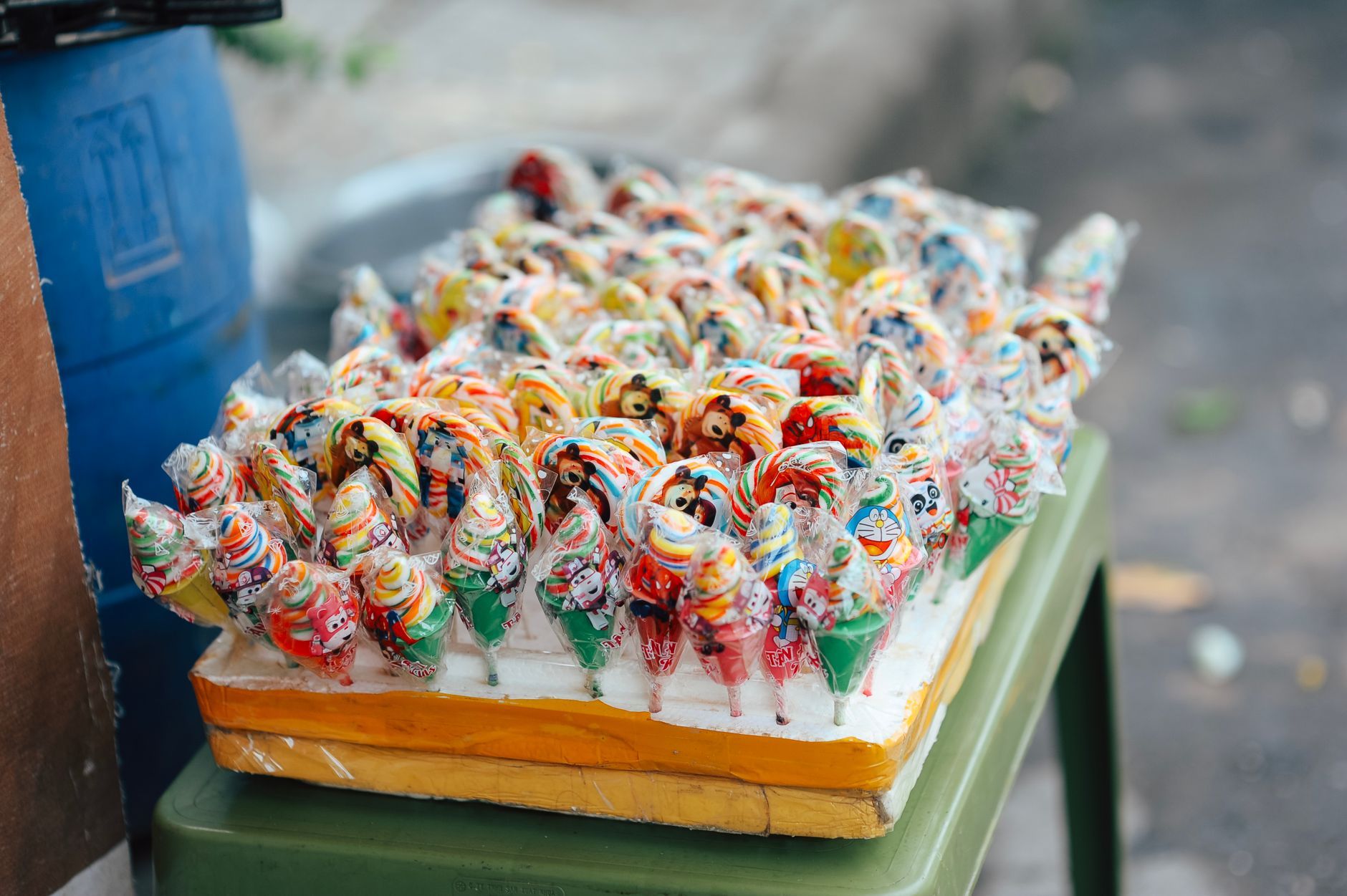
Confectionery is a broad category encompassing a delightful array of sweet treats and candies that are loved worldwide. It includes everything from chocolates and gummies to pastries and hard candies. The world of confectionery is not just about sweetness; it involves intricate flavors, textures, and techniques that elevate simple ingredients into mouthwatering snacks.
Understanding confectionery allows you to appreciate its diverse characteristics and versatility in various culinary applications. This article delves into the essence of confectionery, exploring its taste, texture, and practical uses in the kitchen.
What Is a Confectionery?
A confectionery refers to any sweet food product, typically made with sugar as a primary ingredient. This category includes candy, chocolate, desserts, and baked goods that are characterized by their sweetness and often decorative appeal. Confectioneries can be found in various forms, including hard and soft candies, chocolates, gummies, decorative cakes, and pastries.
Taste and Texture of Confectioneries
The taste and texture of confectioneries play crucial roles in their appeal. The flavors range from light and fruity to rich and decadent, providing something for every palate. The textures also vary significantly, enhancing the overall experience of enjoying these treats.
Taste Profiles
- Sweetness: The predominant flavor in most confectioneries, typically derived from sugar, honey, or syrups.
- Bitterness: Often present in dark chocolate, providing balance to the overall sweetness.
- Sourness: Found in fruit-flavored candies or treats that incorporate citrus flavors.
- Salinity: A hint of salt can enhance certain chocolate confections and caramel-based treats.
- Spices and Flavors: Ingredients like vanilla, cinnamon, or peppermint can add complexity to the flavor profile.
Texture Variations
- Hard: Candies like lollipops and peppermints that have a firm structure and a satisfying crunch.
- Soft: Chewy confections like taffy and gummies, often melt-in-your-mouth.
- Creamy: Smooth textures found in chocolates or fillings, often enriched with cream or butter.
- Crispy: Textures created by ingredients like rice crispies or chocolate coatings.
- Fluffy: Confections such as marshmallows or meringues that are light and airy.
Exploring Different Types of Confectioneries
Confectioneries can be categorized based on ingredients, preparation methods, or regional specialties. Below are some popular types and their unique characteristics.
1. Chocolates
Chocolates are perhaps the most beloved type of confectionery, known for their richness and variety. They can be further divided into several categories:
- Dark Chocolate: Made from cocoa solids, cocoa butter, and sugar, with less milk than other chocolates, offering a robust flavor.
- Milk Chocolate: Combines cocoa solids, cocoa butter, and milk, resulting in a sweeter and creamier texture.
- White Chocolate: Contains cocoa butter, sugar, and milk solids, lacking cocoa solids, leading to a sweet and creamy profile.
2. Hard Candies
Hard candies are made by boiling sugar, resulting in a solid treat that can be flavored and colored. Popular varieties include:
- Lollipops: Candy on a stick, available in countless flavors and shapes.
- Fruit Drops: Bite-sized candies typically flavored with fruit extracts.
3. Chewy Candies
Chewy candies offer a delightful texture that demands a bit of effort to consume. Some examples include:
- Caramels: Smooth and buttery, often used in various desserts.
- Taffy: Stretchy and often flavored, pulled and kneaded to create airiness.
- Gummy Candies: Made from gelatin and sugar, they come in many shapes and flavors.
4. Mints
Mints serve both as confectionery and a breath freshener. They can range from hard candies to softer chewable kinds, often infused with peppermint or spearmint.
5. Pastries
Not all confectioneries are candies; pastries like eclairs, macarons, and cakes fall within this category, embodying sweet flavors and intricate designs.
Kitchen Uses of Confectioneries
Confectioneries aren’t just for snacking. They can be utilized in various culinary applications, adding flavor, texture, and visual appeal to dishes.
1. Dessert Topping
Chopped chocolates, sprinkles, and crushed candies can elevate desserts like ice cream sundaes, cakes, or cupcakes. They add different textures and flavors that make the dessert more appealing.
2. Ingredient in Baking
Many confectioneries act as key ingredients in baking. For example:
- Chocolate Chips: Used in cookies and brownies for bursts of rich flavor.
- Candied Fruits: Mixed into cakes or muffins for added sweetness and color.
- Marzipan: A sweet almond paste often used for decorating cakes or as a filling.
3. Homemade Candy Making
Making your own confectionery can be a fun and rewarding process. Simple recipes for fudge, truffles, or caramels can be tried at home, allowing for variations and personal touches. Ingredients like cocoa powder, flavored extracts, or fruits can be easily incorporated.
4. Gifting and Celebrating
Homemade confectioneries make delightful gifts. Preparing an assortment of chocolates or candies can serve as a thoughtful present for birthdays, holidays, or special occasions.
Common Mistakes in Confectionery Making
1. Not Measuring Ingredients Accurately
Accurate measurements are crucial in confectionery making. Even a slight discrepancy can affect the final product’s texture and flavor. Always use a kitchen scale or measuring cups for precision.
2. Forgetting to Use a Candy Thermometer
Many confectioneries require specific temperature thresholds for proper sugar cooking. Not using a candy thermometer can lead to undercooking or overcooking the sugar, resulting in a final product that is either too soft or too hard.
3. Not Allowing Sufficient Cooling Time
Confectioneries often need time to cool and harden after cooking. Cutting or molding them too soon can lead to a misshapen final product. Give them adequate time to set, following recipe guidelines for cooling times.
4. Poor Storage Practices
Storing confectioneries in inappropriate conditions can affect their freshness and texture. Store candies in airtight containers away from heat and humidity to maintain their quality.
Storage and Shelf Life of Confectioneries
Understanding the proper storage techniques for different types of confectionery will enhance their longevity and preserve their flavor and texture.
Storage Tips
- Airtight Containers: Use airtight containers for hard candies and chocolates to prevent moisture from causing them to melt or spoil.
- Cool, Dry Place: Keep confectioneries away from direct sunlight and high temperatures that can lead to melting.
- Refrigeration: Some confections, such as fudge or certain chocolates, benefit from refrigeration, but others should be kept at room temperature.
Shelf Life Estimates
| Type of Confectionery | Storage Method | Shelf Life |
|---|---|---|
| Hard Candies | Airtight container at room temperature | Up to 1 year |
| Chocolates | Airtight container at room temperature or refrigerated | Up to 6 months (1 year refrigerated) |
| Chewy Candies | Airtight container at room temperature | 3-6 months |
| Homemade Confections | Varies by recipe; typically refrigerated | 1-2 weeks |
Making Your Own Confectioneries
Creating your own confectioneries at home allows for customization and a rewarding experience. Here are two easy recipes to try:
1. Dalgona Candy
Dalgona candy, inspired by traditional Korean street food, is a simple sugar confection making its way into worldwide popularity.
- Yield: 4-6 pieces
- Preparation Time: 10 minutes
- Cooking Time: 5 minutes
Ingredients:
- 2 tablespoons sugar
- 1/4 teaspoon baking soda
Essential Equipment:
- Small saucepan
- Whisk
- Parchment paper or silicone mat
Instructions:
- In a small saucepan over medium heat, add the sugar and allow it to melt, stirring constantly.
- Once melted and bubbly, quickly add in the baking soda, stirring vigorously until the mixture becomes light and airy.
- Pour the mixture onto a parchment paper and use a flat object to compress it into a flat shape.
- Allow it to cool and harden before serving.
2. Popcorn Balls
Popcorn balls are a fun and easy treat to make, perfect for parties or family gatherings.
- Yield: 8-10 balls
- Preparation Time: 10 minutes
- Cooking Time: 10 minutes
Ingredients:
- 8 cups popped popcorn
- 1/2 cup sugar
- 1/4 cup corn syrup
- 1/4 cup butter
- 1/4 teaspoon salt
Essential Equipment:
- Large mixing bowl
- Medium saucepan
- Wax paper
Instructions:
- In a medium saucepan, combine sugar, corn syrup, butter, and salt. Cook over medium heat until boiling.
- Pour the syrup mixture over the popcorn in a large bowl and mix until evenly coated.
- Coat your hands with butter and form the mixture into balls.
- Place the formed balls on wax paper and let them cool.
Conclusion
Confectioneries are much more than sweet treats; they embody creativity, tradition, and enjoyment. Understanding their diverse types, flavors, and practical uses enhances your ability to appreciate and incorporate them into your culinary repertoire. Whether creating homemade variations or simply enjoying store-bought delights, the world of confectionery offers something for everyone.
Explore related recipes and hone your skills in making sweets and treats by trying out these delicious Dalgona Candy or festive Popcorn Balls.