
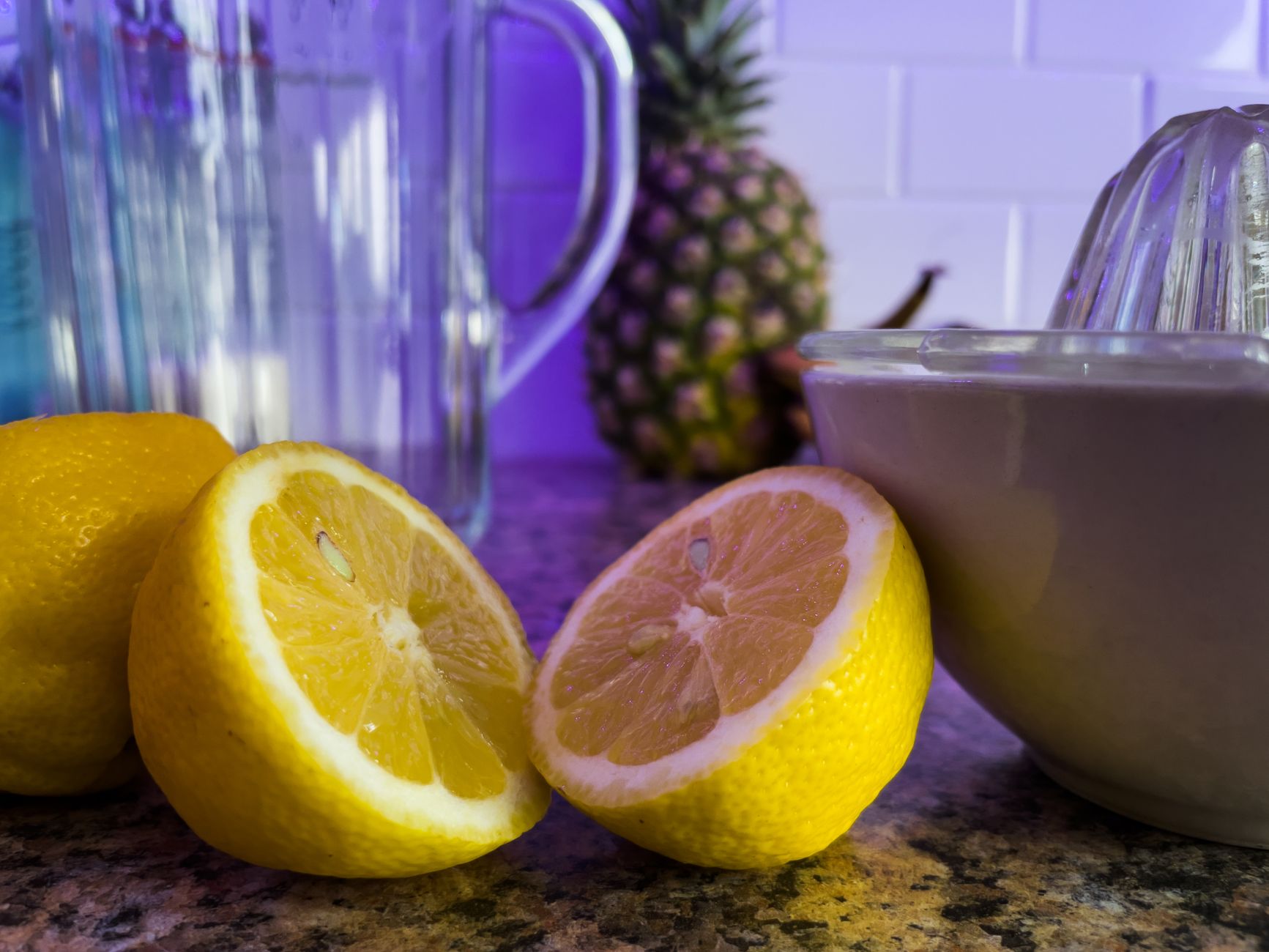
Lemons are a versatile fruit commonly used in a variety of culinary applications, from dressings and marinades to desserts and beverages. Understanding how much lemon juice you can extract from a lemon is essential, especially when a recipe calls for a specific amount, such as 1/4 cup of lemon juice. This guide will help you determine how many lemons you need to juice to yield that quantity while exploring tips for extracting juice efficiently.
Whether you are making a tangy lemon vinaigrette, a refreshing lemonade, or a zesty lemon pie, knowing the right measurement can make your cooking process smoother. In this article, we’ll dive into measurements, methodical juicing techniques, common mistakes, and variations to ensure you get the perfect amount of lemon juice each time.
How Many Lemons for 1/4 Cup Juice?
To yield 1/4 cup of lemon juice, you typically need about 2 to 3 medium-sized lemons. This estimation can vary depending on the size and juiciness of the lemons. On average, a medium lemon produces approximately 2 tablespoons (1 ounce) of juice.
Why the Measurement Matters
In cooking and baking, precision is key. Using the correct amount of lemon juice can impact the flavor and balance of a dish. Too little may result in a bland taste, while too much can overpower other ingredients. For example, in a lemon meringue pie, the correct amount of lemon juice is crucial for achieving the desired tartness. Understanding how to measure and extract lemon juice can enhance the quality of your culinary creations.
Measuring Lemon Juice
To effectively measure lemon juice, it’s essential to have the right tools and techniques. Here’s how to get an accurate measurement:
- Citrus Juicer or Reamer: Using a manual citrus juicer or handheld reamer can help you extract more juice with less effort.
- Measuring Cups: Clear measuring cups with increments are ideal for measuring liquids accurately.
- Strainer: A fine mesh strainer can help remove seeds and pulp if desired, ensuring a smooth juice.
Juicing Techniques
Getting the maximum amount of juice from your lemons involves a few simple techniques. Here’s how to ensure you extract every drop:
- Room Temperature: Let your lemons come to room temperature before juicing, as they yield more juice when warm.
- Roll the Lemon: Before cutting, roll the lemon on the counter with the palm of your hand. This helps break down the fibers, enhancing juice extraction.
- Cut the Lemon: Cut your lemon in half across the equator. This exposes the maximum area for juicing.
- Juicing: Use the juicer or reamer to extract juice, twisting and pressing as necessary to get every drop.
- Strain the Juice: If you prefer pulp-free juice, pour the juice through a strainer into your measuring cup.
Common Mistakes When Juicing Lemons
Juicing lemons seems straightforward, but certain common mistakes can hamper your efficiency. Here are pitfalls to avoid:
- Using Cold Lemons: Cold lemons produce less juice. Always let them warm up first.
- Over-juicing: Pressing too hard can lead to bitterness from the white pith.
- Not Straining: If your recipe requires juice without pulp, skipping this step can lead to an unappealing texture.
Storing Lemon Juice
If you have juiced more lemons than needed, you can store the excess juice. Here’s how to do it effectively:
- Refrigerate: Fresh lemon juice can be stored in a sealed container in the refrigerator for up to a week.
- Freeze: For longer storage, freeze lemon juice in ice cube trays. Once frozen, transfer the cubes to a zip-top bag for easy use.
Substituting Lemon Juice in Recipes
While lemon juice is often used for its bright flavor, there are substitutes when you don’t have lemons on hand. Here are some common alternatives:
| Substitution | Measurement |
|---|---|
| Lime Juice | Use the same amount as lemon juice. |
| Vinegar (white or apple cider) | Use 1 tablespoon less than the amount of lemon juice required. |
| Citric Acid | Mix 1/4 teaspoon of citric acid with a tablespoon of water for every tablespoon of lemon juice. |
Flavor Profiles and Culinary Uses of Lemon Juice
Lemon juice is renowned for its bright, tangy flavor, which can enhance a wide range of dishes.
In Dressings and Marinades
Lemon juice adds acidity to dressings, balancing oil in vinaigrettes and enhancing the flavors of salads and marinades. It works well with herbs, garlic, and even honey.
In Baking
In baking, lemon juice can help tenderize dough, especially in recipes like lemon scones or cakes. Its acidity helps reactions like leavening with baking soda, enhancing rise and texture.
In Beverages
For a refreshing drink, freshly squeezed lemon juice is a staple in lemonade, cocktails, and even iced teas. It serves as a natural sweetener when combined with sugar or sweeteners.
Conclusion
Understanding how many lemons you need for 1/4 cup of juice can simplify your cooking and baking processes. Remember that on average, you’ll need about 2 to 3 medium-sized lemons to achieve this measurement. By employing effective juicing techniques, avoiding common mistakes, and knowing how to store leftover juice, you can ensure that lemon juice enhances your culinary pursuits.
To further explore how to incorporate lemon into your cooking, check out recipes like Lemon Risotto and Lemon Pepper Seasoning for inspiration. With the right knowledge, your kitchen creations can shine with zesty flavor!