
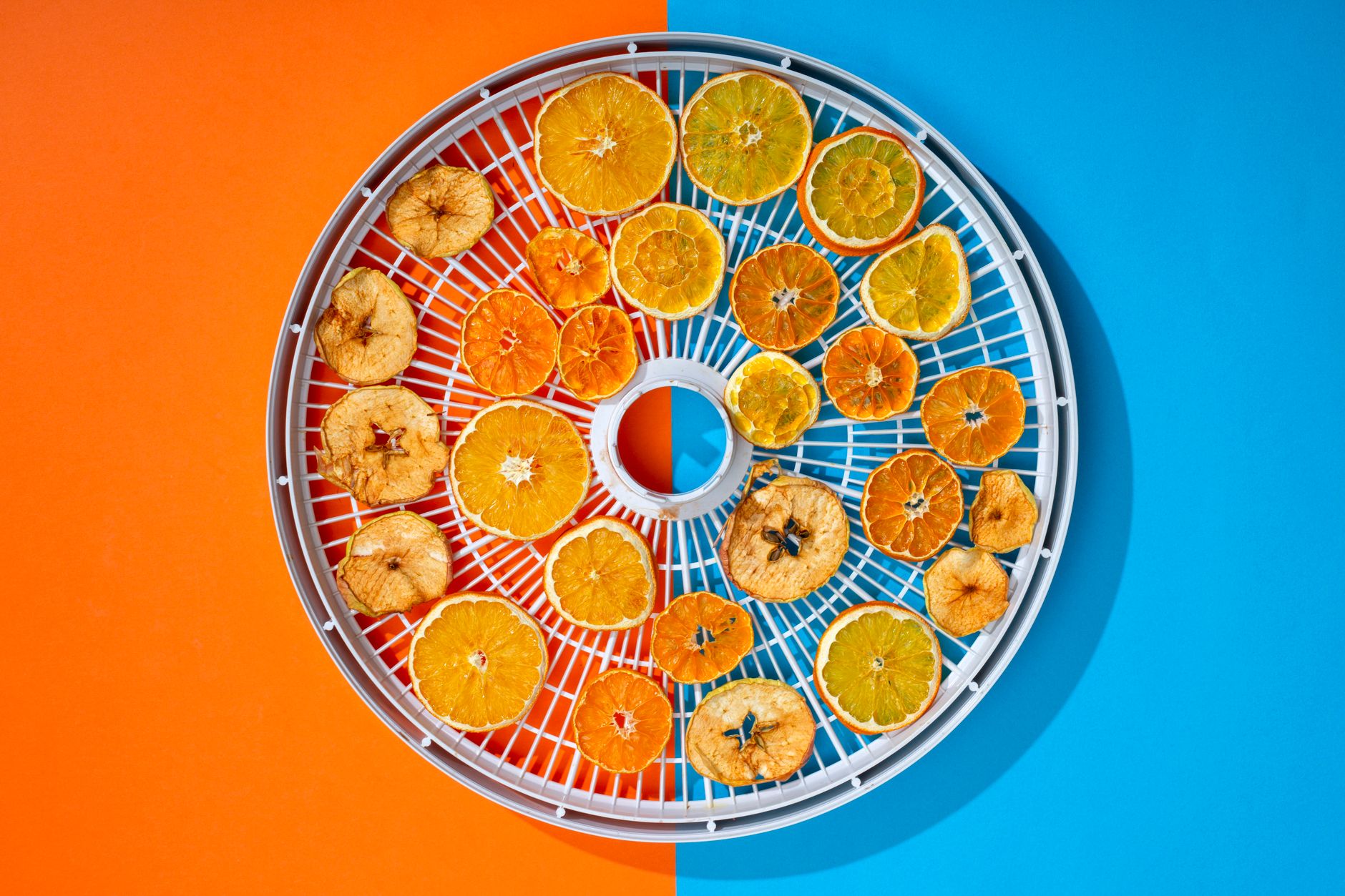
Dehydrating fruit is a popular method for preserving the natural sweetness and nutrients found in fresh produce. This technique not only extends shelf life but also allows for convenient snacking, baking, or incorporating into various recipes. Understanding how long to dehydrate fruit can make a significant difference in texture, flavor, and overall quality.
In this guide, we will explore the different factors affecting dehydration time, the best methods for dehydrating fruits, and practical tips for achieving delightful outcomes. Whether you want to prepare snacks or add dehydrated fruits to your culinary repertoire, you will find this information invaluable.
How Long To Dehydrate Fruit?
The dehydration time for fruit varies widely depending on several factors such as the type of fruit, thickness of slices, humidity levels, and the specific dehydration methods used. Generally, most fruits take between 4 to 12 hours to dehydrate fully. It’s crucial to monitor the fruit closely and test for doneness by checking for the right texture and moisture content.
Factors Affecting Dehydration Time
Several factors influence how long it takes to dehydrate fruit, including:
- Type of Fruit: Different fruits have varying water contents and structural makeup, leading to different dehydration times.
- Preparation: The thickness of the slices or pieces will directly affect how quickly they dehydrate. Thinner slices dehydrate faster.
- Humidity Levels: High humidity environments can prolong dehydration times as moisture in the air can slow down the drying process.
- Dehydration Method: Whether using a dehydrator, an oven, or air drying can affect the time and outcome.
Common Fruits and Their Dehydration Times
Here are some popular fruits along with their approximate dehydration times:
| Fruit | Dehydration Time |
|---|---|
| Apples | 6-8 hours |
| Pineapple | 5-8 hours |
| Bananas | 6-8 hours |
| Mango | 6-12 hours |
| Strawberries | 6-10 hours |
| Peaches | 8-12 hours |
| Apricots | 8-12 hours |
Methods for Dehydrating Fruit
1. Dehydrator Method
Using a food dehydrator is one of the most efficient ways to dehydrate fruit. A dehydrator provides a controlled environment with consistent airflow and temperature. Here’s how to use a dehydrator:
- Prepare the Fruit: Wash and peel if necessary. Cut the fruit into uniform slices, typically 1/4-inch thick.
- Soak in Lemon Juice: To prevent browning, soak apple slices or pears in a solution of lemon juice and water for about 5-10 minutes.
- Arrange on Trays: Place the fruit slices on the dehydrator trays, ensuring they do not touch each other for optimal airflow.
- Set the Temperature: Set the dehydrator to the appropriate temperature, usually around 135°F (57°C) for fruits.
- Monitor Progress: Check the fruit periodically, rotating trays if necessary.
- Check for Doneness: The fruit should be pliable and not sticky. If they are sticky, they need more time.
2. Oven Method
If you don’t have a dehydrator, you can use your oven. Here’s how:
- Prepare the Fruit: Similar to the dehydrator method, wash, peel, and slice the fruit evenly.
- Soak if Needed: Use lemon juice to prevent browning, especially for apples and pears.
- Arrange on a Baking Sheet: Place the fruit on a baking sheet lined with parchment paper. Make sure they are spread out evenly.
- Set the Oven: Preheat your oven to the lowest setting, usually between 140°F (60°C) to 170°F (77°C).
- Keep the Door Ajar: To allow moisture to escape, prop the oven door open slightly using a wooden spoon or spatula.
- Check Regularly: Check on the fruit every hour, turning and rearranging as needed. Dehydration usually takes 6-12 hours.
- Cool Before Storing: Once dried, allow the fruit to cool completely before storing.
3. Air Drying Method
This method is less common and best suited for climates with low humidity. Here’s how to air dry fruit:
- Slice the Fruit: Cut the fruit into thin slices, about 1/4-inch thick.
- Soak if Necessary: Use a lemon juice solution to decrease browning.
- Place in a Single Layer: Lay the fruit slices on a clean, dry surface that allows airflow (like a mesh screen or drying rack).
- Choose an Appropriate Location: Place the drying fruit in a warm, sunny location with low humidity.
- Monitor Drying Process: It can take a few days to fully dry. Keep turning the pieces to ensure even drying.
Testing for Doneness
Knowing how to properly test fruit for doneness is critical. Properly dehydrated fruit should have a leathery, pliable texture that isn’t sticky. Here are specific cues to look for:
- Apple Slices: Should be flexible but not have any moisture spots.
- Berries: Should be slightly wrinkled and dry to the touch.
- Bananas: Should feel leathery but not too hard.
- Mango: Should have a chewy texture without any sticky feel.
Storage of Dehydrated Fruits
Storing dehydrated fruit properly is essential to maintaining quality and preventing spoilage. Here are some tips for effective storage:
- Cool Completely: Ensure the fruit is completely cooling before storing to avoid condensation.
- Use Airtight Containers: Store dehydrated fruit in airtight containers, such as glass jars, vacuum-sealed bags, or mylar bags, to prevent moisture exposure.
- Label Containers: Include the date of dehydration so you can track freshness.
- Store in a Cool, Dark Place: Keep the containers away from direct sunlight and heat to prolong shelf life. Storing in a pantry or cupboard is ideal.
- Check Periodically: Regularly inspect your dehydrated fruits for signs of moisture or spoilage.
Using Dehydrated Fruits in the Kitchen
Dehydrated fruits offer endless possibilities in the kitchen. Here are some ideas on how to use them:
- Snacking: Enjoy them as a nutritious on-the-go snack.
- Baking: Incorporate into muffins, breads, or breakfast bars for added sweetness and texture.
- Trail Mix: Blend with nuts, seeds, and chocolate for a delicious trail mix.
- Cooking: Rehydrate and add to salads, savory dishes, or stir-fries for an additional layer of flavor.
- Infused Water or Tea: Use dehydrated fruit to infuse flavors in water or tea.
Common Mistakes to Avoid
When dehydrating fruit, being aware of common mistakes can help improve your results:
- Skipping the Soaking Step: For fruits prone to browning, skipping the soaking in lemon juice may result in undesirable colors.
- Overcrowding the Trays/Baking Sheets: Overcrowding can inhibit airflow, leading to uneven drying. Always allow space between pieces.
- Not Monitoring Progress: Failing to check periodically can lead to over-drying or burning.
- Storing Before Cooling: Always let the dehydrated fruit cool completely to prevent trapped moisture.
- Using Unsuitable Fruits: Some fruits, like watermelon or citrus with high water content, are not ideal for dehydration.
Balancing Flavor and Texture
Each fruit has its unique flavor and texture profile. Dehydration enhances those characteristics but managing the process carefully will yield the best results. Consider the following points to balance flavor and texture:
- Experiment with Seasoning: Adding spices such as cinnamon or cayenne pepper can enhance the flavor of dried fruit.
- Adjust Drying Time: Depending on your desired texture, you may want to reduce or increase the drying time slightly.
- Pairing Flavors: Combining different fruits for dehydrating can provide a unique blend of flavors in baked dishes or snacks.
Conclusion
Dehydrating fruit is a practical and rewarding method for preserving produce. With the right approach, knowledge of time, and understanding of each fruit’s characteristics, you can create delicious snacks and ingredients to enhance your meals. Always remember to store the dehydrated fruits properly to maintain their quality for future use. Now that you know how long to dehydrate fruit and how to do it effectively, it’s time to equip your kitchen and start your dehydration adventures!
Explore related recipes, cooking tips, or food guides such as How Long to Dehydrate Fruit and How Long Do Blueberries Last for more insights into preserving and enjoying your favorite fruits.