
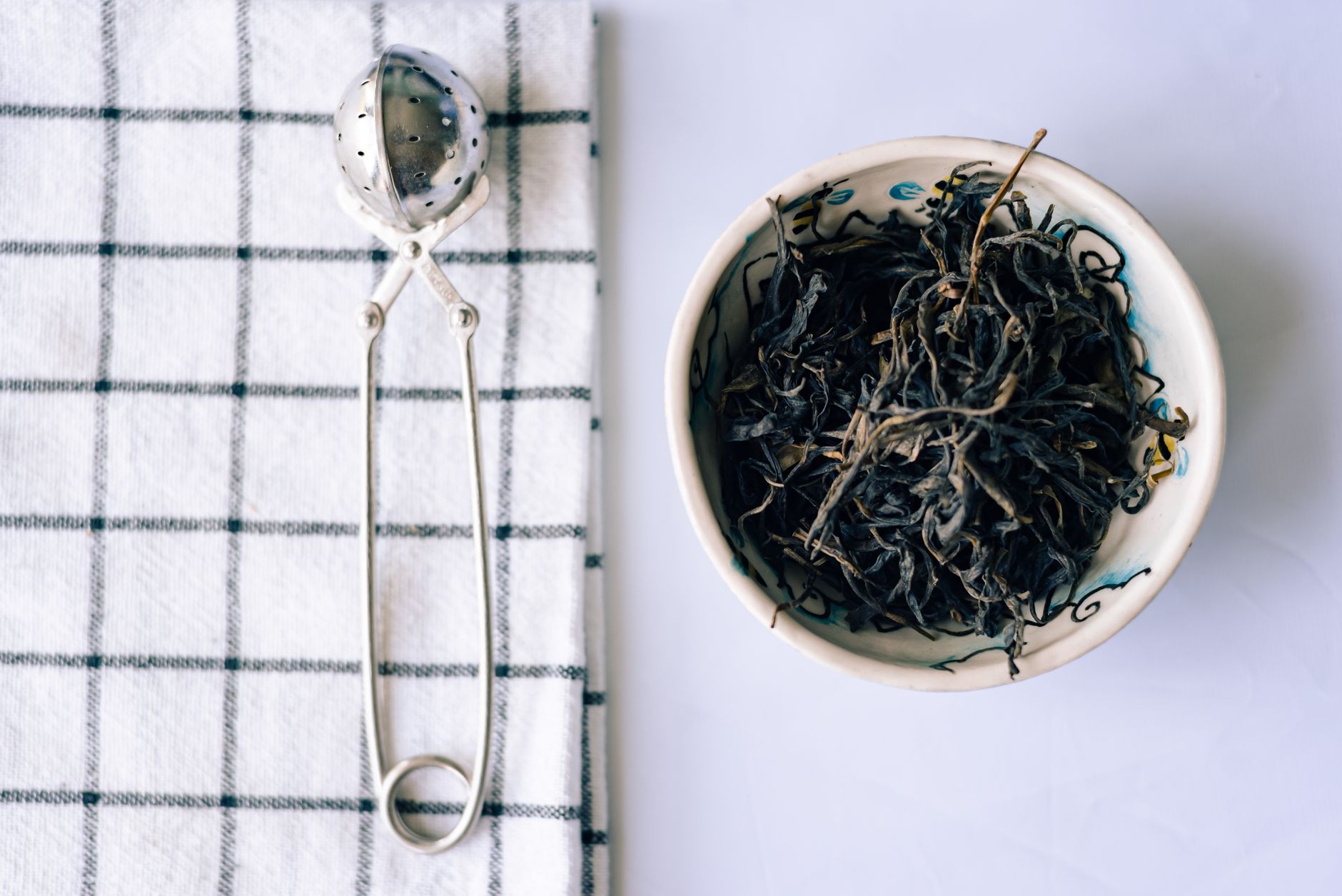
Black tea is one of the most commonly consumed beverages worldwide, known for its robust flavor and rich history. As more people turn to healthier drink alternatives, the question arises: is black tea healthy? This article explores black tea’s nutritional content, potential health benefits, and considerations regarding its consumption.
In this comprehensive guide, we will delve into the benefits of black tea, how to incorporate it into your daily routine, and useful tips regarding portions and preparations. Understanding black tea can help you enjoy it as a delicious and nutritious addition to your diet.
Is Black Tea Healthy?
Yes, black tea can be a healthy choice. It’s rich in antioxidants, particularly polyphenols, which can support overall health. Moderate consumption may help reduce the risk of certain diseases, improve heart health, and enhance mental alertness. However, it’s essential to be mindful of caffeine content and added ingredients like sugar or cream.
Nutritional Value of Black Tea
Black tea is primarily made from the leaves of the Camellia sinensis plant, and its production involves a process of full oxidation. This process contributes to its nutrient composition. Here is a breakdown of the key nutritional components found in black tea:
- Calories: 2 kcal per 8-ounce serving (unsweetened)
- Caffeine: Approximately 40-70 mg per 8-ounce serving
- Flavonoids: Contains high levels of catechins and theaflavins
- Fluoride: Offers low levels of fluoride, beneficial for dental health
- Other compounds: Includes amino acids, vitamins (like B vitamins), and minerals
While these numbers might vary slightly depending on the brewing method and the specific type of black tea, they establish a baseline for understanding the drink’s health implications.
Health Benefits of Black Tea
Black tea boasts an array of potential health benefits, primarily attributed to its antioxidant properties. Below, we explore several ways in which black tea may contribute to your health.
1. Antioxidant Properties
The antioxidants in black tea help combat oxidative stress by neutralizing free radicals in the body. This may help reduce cellular damage and lower the risk of chronic diseases such as cancer and heart disease.
2. Heart Health
Several studies suggest that consuming black tea may be linked to improved heart health. Regular intake has been associated with lower blood pressure and cholesterol levels. The flavonoids in black tea can help improve blood vessel function and reduce the risk of cardiovascular diseases.
3. Improved Mental Alertness
Due to its caffeine content, black tea may enhance cognitive function, improving focus and alertness. Studies have shown that moderate caffeine consumption can enhance brain performance and may temporarily alleviate fatigue.
4. Gut Health
Black tea can positively impact gut health due to its polyphenols, which can act as prebiotics, promoting the growth of beneficial gut bacteria. A healthy gut microbiome is crucial for overall digestion and immune function.
5. Weight Management
Some research indicates that black tea may aid in weight loss or weight management efforts. The catechins and caffeine found in black tea can boost metabolism and promote fat oxidation when combined with a healthy diet and exercise.
6. Reduced Risk of Diabetes
There is growing evidence that black tea may help improve insulin sensitivity, potentially reducing the risk of type 2 diabetes. Polyphenols in black tea may also help regulate blood sugar levels.
7. Hydration
Contrary to the myth that caffeine leads to dehydration, moderate consumption of black tea can contribute to daily fluid intake. Hydration is essential for overall health, affecting energy levels, skin health, and bodily functions.
Considerations When Drinking Black Tea
While there are numerous health benefits associated with black tea, it is important to consider potential downsides or factors that may influence its consumption.
Caffeine Content
Black tea contains caffeine, which may not be suitable for everyone. While moderate caffeine consumption is generally recognized as safe, overconsumption can lead to jitters, insomnia, and increased heart rate. It’s advisable to monitor your total daily caffeine intake from all sources.
Potential Additives
Be mindful of what you add to your black tea. Cream, sugar, and flavored syrups can significantly increase calories and diminish the health benefits. If you’re looking to maintain health benefits, consider healthy alternatives like honey or lemon.
Interactions with Medications
Black tea may interact with certain medications, particularly those related to blood pressure or blood sugar levels. If you’re on medication, consulting with a healthcare professional before significantly increasing your black tea intake is advisable.
How to Brew Black Tea
To enjoy the economic and health benefits of black tea, knowing how to brew it properly is essential. Below are a few tips to ensure you achieve the best flavor and maximum health benefits.
Essential Equipment
- Teapot or teacup
- Water kettle or pot
- Tea strainer (if using loose leaf tea)
- Thermometer (optional, but helpful for precise brewing)
Step-by-Step Brewing Instructions
- Start by bringing fresh, filtered water to a boil (around 200-212°F or 93-100°C).
- Add 1 teaspoon of loose leaf black tea or 1 tea bag per 8-ounce cup.
- Pour the hot water over the tea leaves and cover the cup.
- Steep for 3-5 minutes depending on your taste preference. A longer steeping time will yield a stronger flavor.
- Remove the tea leaves or bag. If loose leaf tea is used, strain it to separate the leaves from the liquid.
- Enjoy your black tea plain, or add enhancements like lemon or a sweetener as desired.
Portion Control and Serving Suggestions
Moderation is key when consuming black tea. Consider the following tips for portion control and serving suggestions:
- Aim for 2-3 cups of black tea daily to maximize benefits while minimizing potential caffeine risks.
- Pair black tea with healthy snacks, such as nuts or whole-grain biscuits, to create a balanced treat.
- Experiment with flavored varieties, such as Earl Grey or chai, for added taste and excitement.
Common Mistakes and Troubleshooting
Brewing black tea can sometimes lead to undesirable results. Here are common mistakes along with tips for troubleshooting:
1. Oversteeping
Oversteeping black tea can make it bitter and astringent. If this happens, start with a shorter steeping time and adjust according to your taste.
2. Using Low-Quality Tea
The quality of tea leaves affects the taste and health benefits. Choose high-quality loose leaf teas or reputable tea bags for the best results.
3. Not Using Fresh Water
Reusing water for brewing can result in a stale taste. Always use fresh water for each batch to ensure maximum flavor extraction.
Mixing Black Tea with Other Ingredients
Black tea serves as a base for various beverages and culinary creations. Here are some popular ways to incorporate black tea into your diet:
- Chai Tea: A popular spiced tea made with black tea, milk, and a blend of spices. It can be enjoyed hot or cold.
- Iced Black Tea: Brew black tea, cool it down, and serve over ice with citrus slices for a refreshing drink.
- Tea-Infused Desserts: Use brewed black tea as a flavoring agent in cakes, cookies, or puddings.
Storage and Shelf Life of Black Tea
Proper storage of black tea is crucial for preserving flavor and potency. Here are storage tips:
- Store in a cool, dry place away from sunlight and moisture.
- Use airtight containers to keep the tea fresh.
- Generally, loose leaf tea can last about 1-2 years, while tea bags may retain quality for about 6-12 months.
Conclusion
Black tea undeniably offers numerous health benefits while providing a delightful flavor experience. With its rich antioxidant profile, it can be a part of a healthy lifestyle when consumed in moderation. Enjoy black tea on its own, or incorporate it creatively into your meals and drinks. As with all foods and beverages, balance is essential for reaping the maximum benefits.
If you’re looking to explore the wide world of tea, consider learning more about what black tea is and dive into the world of chai tea to enhance your culinary adventures.