
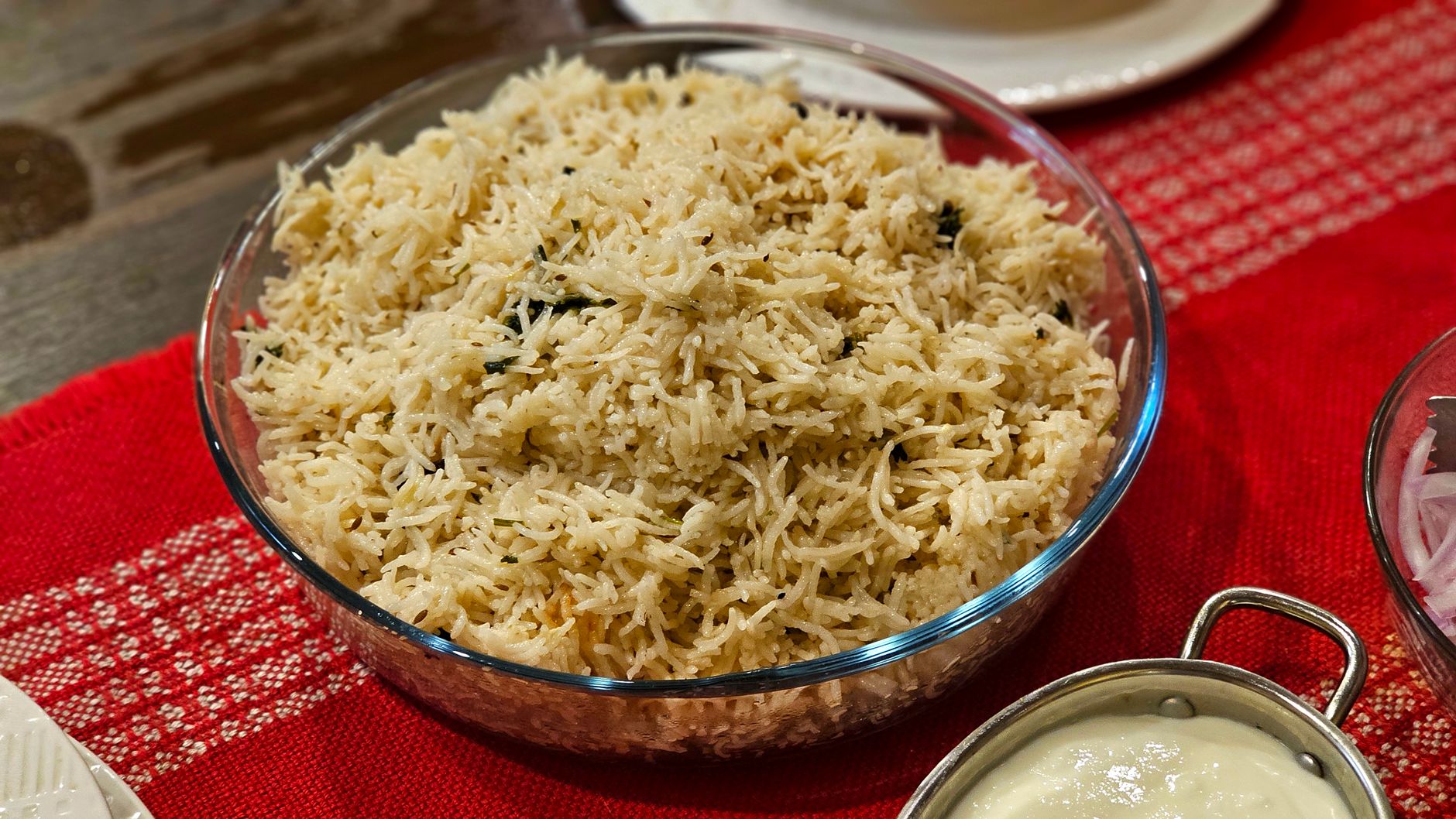
Basmati rice, known for its fragrant aroma and long, slender grains, is a staple in many cuisines, particularly in Indian and Pakistani dishes. Its nutty flavor and fluffy texture make it a delightful accompaniment to a variety of meals. Cooking basmati rice to perfection is essential to elevate your dish, whether it’s a simple curry or a ceremonial biryani.
Determining how long to cook basmati rice can be tricky, especially for those new to this ingredient. This guide will provide you with the timing, temperature, and techniques necessary to achieve perfectly fluffy basmati rice each time.
How Long to Cook Basmati Rice?
The ideal cooking time for basmati rice usually ranges from 10 to 15 minutes on the stovetop. This timing assumes the rice has been rinsed and soaked beforehand, which enhances its texture and flavor. Factors such as the thickness of the pot, the type of heat source, and the specific brand of rice can slightly affect cooking times.
Understanding Basmati Rice
Basmati rice is distinct for its unique grain structure. Here are a few important aspects to consider:
- Flavor: Basmati rice has a subtle, nutty aroma, making it a favored choice for flavorful dishes.
- Texture: When cooked properly, basmati rice should be fluffy and separate, rather than sticky.
- Varieties: There are numerous varieties of basmati rice, including white and brown, which may require different cooking times.
Essential Equipment
To cook basmati rice correctly, you will need the following equipment:
- A heavy-bottomed pot with a tight-fitting lid or a rice cooker.
- A sieve or fine-mesh strainer for rinsing and draining the rice.
- A measuring cup for accurate water and rice measurements.
Ingredients for Cooking Basmati Rice
The basic ingredients you’ll need to cook basmati rice are minimal:
- Basmati rice: Typically, 1 cup of rice serves about 2 to 3 people.
- Water: Generally, the water-to-rice ratio is 1.5:1 for soaked rice and 2:1 for unsoaked rice.
Here’s a simple breakdown:
| Rice Type | Water Ratio | Cooking Time |
|---|---|---|
| Soaked Basmati Rice | 1.5 cups of water per 1 cup of rice | 10-15 minutes |
| Unsoaked Basmati Rice | 2 cups of water per 1 cup of rice | 15-20 minutes |
Step-by-Step Method to Cook Basmati Rice
Cooking basmati rice involves a few straightforward steps:
- Rinse the rice: Place the basmati rice in a sieve or fine-mesh strainer and rinse it under cold water until the water runs clear. This step removes excess starch and prevents the rice from becoming gummy.
- Soak the rice: For the best results, soak the rinsed rice in water for 30 minutes. Drain before cooking.
- Add water: In a heavy-bottomed pot, add the drained basmati rice and measure the appropriate amount of water based on whether the rice was soaked or not.
- Bring to a boil: Place the pot over medium-high heat and bring the water to a boil. Once boiling, stir the rice gently to separate the grains.
- Simmer: Reduce the heat to low, cover the pot with the lid, and allow the rice to simmer. Do not uncover the pot during this time for optimal steam retention.
- Check for doneness: After the cooking time elapses, turn off the heat and let the rice sit, covered, for another 5 to 10 minutes. This will allow it to finish cooking via residual heat.
- Fluff and serve: Use a fork to fluff the rice gently before serving. Enjoy it alongside your favorite dishes!
Common Mistakes to Avoid When Cooking Basmati Rice
Cooking basmati rice might seem easy, but here are some common pitfalls to avoid:
- Not rinsing: Skipping the rinsing step can result in overly sticky rice due to excess starch.
- Incorrect water ratio: Using too much or too little water affects the rice’s texture. Make sure to follow the recommended water ratios closely.
- Overcooking or undercooking: Keeping a close eye on your cooking time will yield the best results.
- Discarding the lid: Taking off the lid during cooking can let steam escape, which is critical for cooking rice properly.
Variations and Substitutions
Exploring different types of rice and ingredients can lead to unique flavors:
- Cooking Broth: Instead of plain water, try using vegetable or chicken broth for added depth of flavor.
- Herbs and Spices: Experiment by adding spices such as cumin, cardamom, or bay leaves to the cooking water for a fragrant twist.
Meal Planning with Basmati Rice
Basmati rice is versatile and pairs well with a myriad of dishes. Here are a few ideas for integrating it into meal planning:
- Curry Dishes: Basmati rice complements rich curries, helping to soak up delicious sauces.
- Stir-Fries: Pairing basmati with stir-fried vegetables and protein creates a balanced meal.
- Salads: Chilled, cooked basmati rice can be folded into salads for a hearty addition.
Storage and Reheating Guidelines
To maintain the quality of your cooked basmati rice, follow these storage tips:
- Refrigeration: Store cooked basmati rice in an airtight container in the refrigerator for up to 4 days.
- Freezing: Freezing cooked rice is possible; use a sealed container or freezer bag for up to 6 months.
- Reheating: When reheating, add a splash of water and microwave or steam gently to restore moisture.
Tips for Perfect Basmati Rice Every Time
Here are a few final tips to ensure consistently great basmati rice:
- Always use fresh rice for the best flavor and texture.
- Do not skip the soaking step — it makes a significant difference in the final result.
- Allow the rice to sit after cooking to absorb any remaining moisture.
- Consider using a rice cooker for hassle-free cooking. Follow the manufacturer’s instructions based on the type of rice you use.
Basmati rice is a cherished staple that can transform a simple meal into a culinary delight. Whether you are new to cooking or a seasoned chef, mastering the timing and techniques for basmati rice can truly elevate your dishes.
Now that you know how long to cook basmati rice and the various techniques involved, it’s time to experiment with this versatile grain. Enjoy it with your favorite dishes or explore new flavors!
For more information on basmati rice and related topics, feel free to check out our articles on whether basmati rice is gluten-free and how much water to use per cup of rice.