
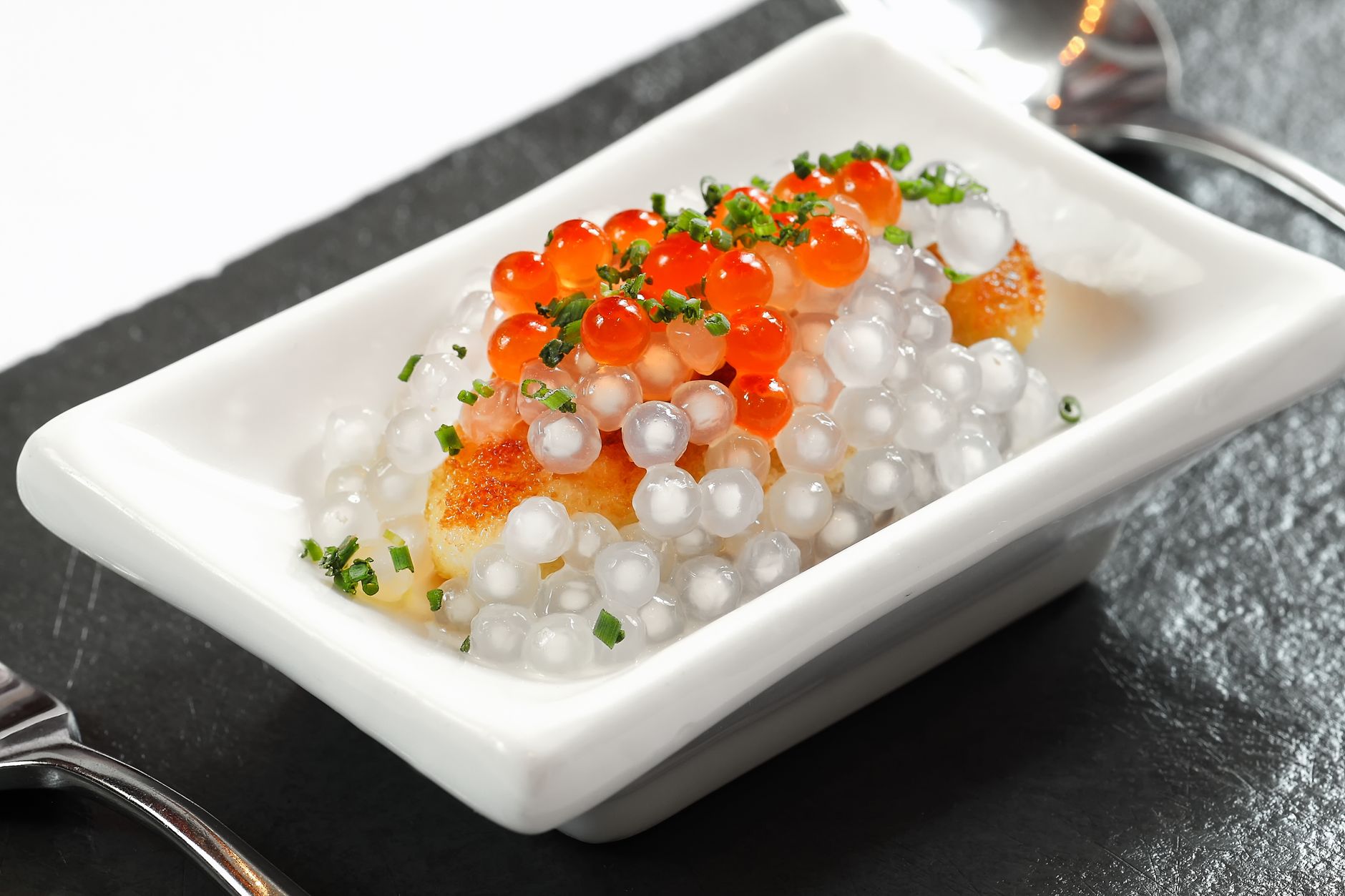
Tapioca is a starchy substance derived from the cassava root, a plant native to South America and extensively cultivated in Africa and Asia. While it may be associated with desserts and beverages in various cuisines today, its origins and evolution tell a fascinating story that spans centuries and continents.
This article will explore the origins of tapioca, its historical context, and its culinary significance across different cultures, as well as tips for using this versatile ingredient in your kitchen.
Where Is Tapioca From?
Tapioca originates from the cassava plant (Manihot esculenta), which is native to the Amazon Basin in South America. Today, it is widely cultivated in tropical regions around the world, including Africa and Southeast Asia. The plant is valued for its starchy root, which is the primary source of tapioca.
The Origins of Tapioca and Cassava
Tapioca production began thousands of years ago in the indigenous cultures of Brazil. The cassava root was not only a staple food source for these communities but also a key element in their culinary practices. The process of creating tapioca involves peeling, washing, and grating the cassava root to extract its starch. Through various methods of fermentation, drying, and cooking, the starch is transformed into the tapioca pearls or flour that we know today.
Historical Context
The journey of cassava from the Amazon to other regions began with the migration of indigenous peoples. It became a critical crop in many tropical nations, eventually reaching Africa in the 16th century. Cassava was embraced as a drought-resistant staple because it could thrive in poor soil conditions where other crops failed to grow.
In Africa, cassava is pivotal to food security. Traditionally, it is processed into various forms, such as fufu, a staple dish in West Africa, which is made by boiling and mashing cassava. The practice of making tapioca itself was largely documented in the Portuguese and Brazilian cuisine, which introduced tapioca to the wider world through trade and exploration.
Culinary Uses of Tapioca
Today, tapioca is recognized for its versatility in cooking and baking. It is commonly used in the forms of pearls, flour, and flakes. Depending on the preparation, tapioca can impart unique textures and flavors to dishes.
Tapioca Pearls
Tapioca pearls are perhaps the most known form of tapioca and are widely used in bubble tea, puddings, and desserts. They are typically sold dry and expand when cooked, creating a chewy texture. Tapioca pearls come in various sizes, with the small pearls being used in traditional desserts and the larger pearls featured prominently in bubble tea.
Tapioca Flour
Tapioca flour, also known as tapioca starch, is another widely used form. This fine, white powder is naturally gluten-free and is often used as a thickening agent or in baked goods, contributing to a moist texture and crisp crust. In fact, many gluten-free recipes call for tapioca flour, and it is commonly found in traditional South American dishes like pão de queijo (Brazilian cheese bread).
Tapioca Flakes
Tapioca flakes are less common but serve primarily as a thickening agent or for creating a chewy texture in recipes. Used in gluten-free cooking as well, they are less processed than tapioca flour and add a distinct texture.
Culinary Traditions Involving Tapioca
As tapioca spreads through various cultures, unique culinary traditions developed around its use. Here are some notable examples:
Brazil
In Brazil, tapioca is commonly made into a street food called “tapioca” or “beijinho,” where the starch is cooked on a flat pan to create a thin crepe-like dish. These can be filled with sweet or savory ingredients, including cheese, coconut, or chocolate.
Taiwan
In Taiwan, tapioca pearls are a key component of bubble tea, a drink that has gained international popularity. The combination of chewy tapioca pearls with sweet milk or fruit-flavored tea creates a refreshing beverage enjoyed by many.
Vietnam
Tapioca is used in traditional Vietnamese desserts such as chè, which are sweet soups made with various ingredients. Tapioca pearls are often paired with coconut milk, fruit, and sweet beans, offering a delightful combination of textures and flavors.
Western Desserts
In Western cuisines, tapioca pudding is a staple dessert made with tapioca pearls, milk, sugar, and egg. It’s often flavored with vanilla and served chilled. The unique texture of the pearls adds a delightful element to this classic dish.
Nutritional Aspects of Tapioca
While tapioca is high in carbohydrates and low in protein, it is important to consider how to incorporate it into a balanced diet. Being gluten-free, it can serve as an excellent alternative to wheat flour for those with gluten intolerance. However, it’s relatively low in fiber and other nutrients, so pairing it with fiber-rich ingredients and proteins can round out a meal.
Preparation and Cooking Tips
When preparing tapioca pearls, it’s crucial to follow the cooking instructions closely to achieve the desired texture. Here are some tips:
- Soak the tapioca pearls in water for a few hours before cooking to ensure even hydration.
- Cook tapioca pearls in boiling water and stir gently to prevent sticking. Cook until they become translucent and chewy, which usually takes about 15-20 minutes.
- Let the cooked pearls rest in a bowl of water to maintain their texture before adding them to your dish.
Substitutions and Variations
If you find yourself without tapioca or wish to try something new, there are a few substitutions you might consider. However, keep in mind that not all substitutions will give you the same texture or flavor profile.
- Arrowroot Starch: This can be used similarly to tapioca flour as a thickening agent or in baking, but note that it thickens at slightly lower temperatures.
- Potato Starch: A good substitute for thickening, but it may yield a different texture in baked goods.
- Cornstarch: While widely available, cornstarch has a distinct flavor and will result in a different texture when used in recipes calling for tapioca.
Common Mistakes with Tapioca
While tapioca is not overly complicated to work with, certain mistakes can hinder your culinary results:
- Not soaking tapioca pearls: Failing to soak them can lead to uneven cooking and a gummy texture.
- Cooking at too high a temperature: Boiling tapioca pearls too aggressively can cause them to break apart instead of becoming chewy.
- Skipping rinsing cooked pearls: Rinsing cooked pearls helps prevent further cooking and keeps their texture intact.
Storage and Reheating of Tapioca
When it comes to storing tapioca pearls or any dish that features them, keeping a few guidelines in mind ensures flavorful results:
- Cooked tapioca pearls can be stored in the refrigerator for up to 3 days, but note that they will lose their texture and become gummy over time.
- If you want to keep tapioca pearls for a longer period, consider freezing them and soaking or cooking after thawing.
- Before consuming leftover tapioca dishes, consider reheating them gently. Excessive heat can further alter the texture of the pearls.
Cooking with Tapioca: Recipes to Try
Incorporating tapioca into your cooking can open up a world of delicious possibilities. Below are two recipes to get started.
Tapioca Pudding
This classic dessert is simple to make and showcases the unique texture of tapioca pearls.
- Ingredients:
- 1/2 cup small tapioca pearls
- 3 cups whole milk
- 3/4 cup sugar
- 1/4 teaspoon salt
- 2 large eggs, beaten
- 1 teaspoon vanilla extract
- Soak the tapioca pearls in water for 30 minutes. Drain.
- In a pot, combine the soaked tapioca, milk, sugar, and salt. Bring to a boil while stirring continuously.
- Reduce heat and let it simmer for about 15 minutes, stirring occasionally.
- In a separate bowl, beat the eggs. Gradually add some of the hot tapioca mixture to the eggs to temper them, then add the egg mixture back to the pot.
- Continue to cook for another 5-10 minutes until thickened. Stir in vanilla extract.
- Remove from heat and let it cool. Serve warm or chilled.
Bubble Tea
Create your own bubble tea at home using the following recipe.
- Ingredients:
- 1/2 cup tapioca pearls
- 2 cups brewed black or green tea, cooled
- 1 cup milk or non-dairy alternative
- 3 tablespoons sweetened condensed milk (or to taste)
- Ice cubes
- Cook the tapioca pearls according to package instructions, then rinse and set aside.
- In a tall glass, combine the brewed tea, milk, and sweetened condensed milk. Stir well.
- Add ice cubes to the glass and then spoon in the cooked tapioca pearls.
- Serve with a wide straw and enjoy!
Final Thoughts
Tapioca’s journey from the Amazon to kitchens around the globe highlights its significance as a versatile ingredient in numerous dishes. Whether you’re whipping up a comforting tapioca pudding or crafting a refreshing bubble tea, understanding the origins and uses of tapioca can enhance your culinary knowledge.
For more culinary inspiration, check out our recipes for sago or delicious mango sago for additional sweet treats that showcase the beauty of starches. Happy cooking!