
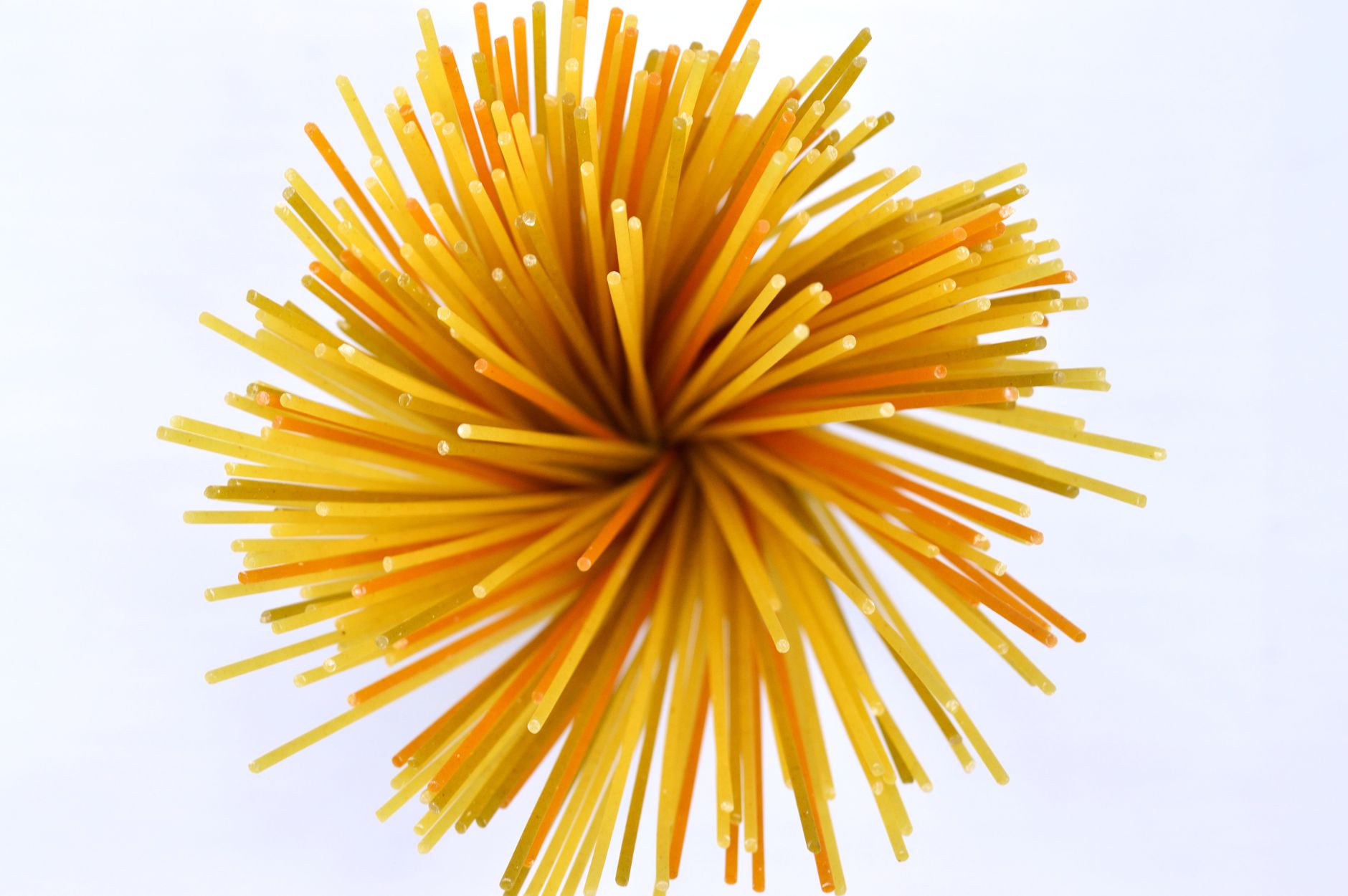
Spaghetti is one of the most popular types of pasta worldwide, often enjoyed with a wide variety of sauces and ingredients. Understanding its dimensions is essential for cooking it properly and pairing it with the right quantities of sauce. This article delves deep into the average length of spaghetti, its culinary uses, serving suggestions, and tips for perfect preparation.
By honing in on these details, you’ll be able to enhance your pasta dishes, make informed meal-planning choices, and impress your guests with your knowledge of this beloved staple. Let’s unravel the spaghetti measurements and get to the heart of what makes this dish so delightful!
How Long Is Spaghetti?
The standard length of spaghetti is approximately 10 inches (25 centimeters) when straightened. This dimension is consistent across various brands, although precisely cut strands may vary slightly. Cooked spaghetti may shorten as it absorbs water and expands, resulting in a softer texture.
Understanding Spaghetti Varieties and Sizes
There are several varieties of spaghetti available, each designed for specific culinary applications. The most common types include:
- Regular Spaghetti: Typically around 10 inches long and has a diameter of 0.24 inches (6 mm).
- Spaghettini: Thinner than regular spaghetti, spaghettini is often used in lighter dishes and cooks faster.
- Spaghetti alla Chitarra: Made using a guitar-like instrument to cut the dough, these strands are thicker and have a rougher texture.
- Pasta d’Uovo: An egg pasta, which may appear thicker or have a different texture than traditional spaghetti.
The Science Behind Cooking Spaghetti
Cooking spaghetti involves adding it to a pot of boiling salted water. The boiling action helps it cook evenly and prevents it from sticking together. Here are some important points regarding cooking spaghetti:
- Cooking Time: Typically ranges from 8 to 12 minutes, depending on the thickness. Al dente spaghetti will have a slightly firm center.
- Salted Water: Adding salt to the water helps enhance the pasta’s flavor; about 1 tablespoon of salt per gallon of water is commonly recommended.
- Stirring: Stir the spaghetti occasionally while boiling to prevent clumping.
Common Mistakes When Cooking Spaghetti
Even a simple task like cooking spaghetti can lead to some common pitfalls. Here are a few mistakes to watch out for:
- Not Using Enough Water: Pasta needs space to move; using too little water can cause it to stick together.
- Overcooking: Cooking pasta past the al dente stage leads to a mushy texture. Always test for doneness a minute or two before the suggested cooking time.
- Rinsing After Cooking: Rinsing spaghetti removes the starch that helps sauces adhere to it.
How to Serve Spaghetti
Spaghetti offers a versatility that allows it to pair well with various sauces and ingredients. The typical serving size for spaghetti is around 2 ounces (57 grams) of dry pasta per person. Once cooked, it usually yields about 1 cup of spaghetti.
Popular Sauce Pairings
- Marinara: A classic tomato-based sauce that’s both simple and delicious.
- Carbonara: Made with eggs, cheese, pancetta, and pepper, this sauce offers a creamy texture without cream.
- Pesto: A vibrant green sauce made from basil, garlic, nuts, and olive oil, perfect for summer dishes.
- Alfredo: Rich and creamy, made with butter, heavy cream, and Parmesan cheese, it complements the pasta beautifully.
Serving Suggestions
When serving spaghetti, consider the following tips to enhance the dining experience:
- Garnish: Fresh herbs, grated cheese, or a drizzle of olive oil enhance flavor and presentation.
- Accompaniments: Serve with garlic bread or garden salad for a complete meal.
- Presentation: Twirl the spaghetti with a fork or tongs to create a visually appealing plate.
Meal Planning with Spaghetti
Spaghetti is a great option for meal planning. It’s budget-friendly, easy to prepare, and can be used in various dishes. Here’s how you can incorporate it seamlessly into your weekly menu:
- Batch Cooking: Cook a larger batch during the week, and use it in different meals throughout the week.
- Leftovers: Spaghetti keeps well in the fridge and can be reheated; consider adding fresh ingredients to revive it.
- Freezing: Cooked spaghetti can be frozen for up to three months. Portion it into servings before freezing for convenience.
Sample Weekly Meal Plan Using Spaghetti
| Day | Meal |
|---|---|
| Monday | Spaghetti with Marinara Sauce |
| Tuesday | Spaghetti Carbonara |
| Wednesday | Spaghetti Salad with Pesto |
| Thursday | Spaghetti with Meatballs |
| Friday | Leftover Spaghetti Bake |
Practical Substitutions for Spaghetti
Spaghetti can often be substituted with various other pasta types depending on dietary needs or preferences. Here are some alternatives:
- Whole Wheat Spaghetti: Provides added fiber and a nuttier flavor compared to regular spaghetti.
- Gluten-Free Spaghetti: Made from rice or other grains, suitable for those with gluten intolerances.
- Zoodles (Zucchini Noodles): A low-carb option, zoodles can replace spaghetti in many dishes while adding nutrition.
- Shirataki Noodles: Made from konjac yam, these are very low in calories and carbs.
Storage and Reheating Tips
Storing and reheating spaghetti properly helps in maintaining its quality. Here are some guidelines:
- Refrigerating: Cooked spaghetti should be refrigerated within two hours of cooking, kept in an airtight container, and should ideally be consumed within three to five days.
- Freezing: Place cooked, cooled spaghetti in freezer-safe bags, removing as much air as possible. It can be frozen for up to three months.
- Reheating: For best results, reheat in a pot over medium heat with a splash of water to maintain moisture. Alternatively, the microwave can be used with a cover to avoid drying out.
Frequently Asked Questions About Spaghetti
Here are some questions people often have regarding spaghetti:
Can you break spaghetti in half before cooking?
While you can break spaghetti in half, it is not recommended, as this can lead to uneven cooking and a less appealing presentation. Instead, simply submerge the uncooked spaghetti into boiling water, allowing it to soften and bend.
Can I use spaghetti for dishes other than pasta?
Absolutely! Spaghetti can be used in various dishes like pasta salads, casseroles, or even as a base for stir-fries. The versatility of spaghetti knows no bounds.
How should I measure spaghetti for a single serving?
A common way to measure spaghetti for a single serving is to use a standard pasta measuring tool or your fingers. A bundle of dry spaghetti about the width of a quarter (about 2 ounces) is generally a good serving size.
Conclusion and Next Steps
Understanding the length and uses of spaghetti can significantly enhance your pasta-cooking experience. From choosing the right variety to perfecting your sauce, the possibilities are endless. Experiment with different flavors and techniques to create memorable meals. Start with classic sauces or try something innovative!
If you’re interested in more delicious recipes or cooking tips, explore our other guides, including our Haitian Spaghetti Recipe or the Million Dollar Spaghetti Recipe. Happy cooking!