
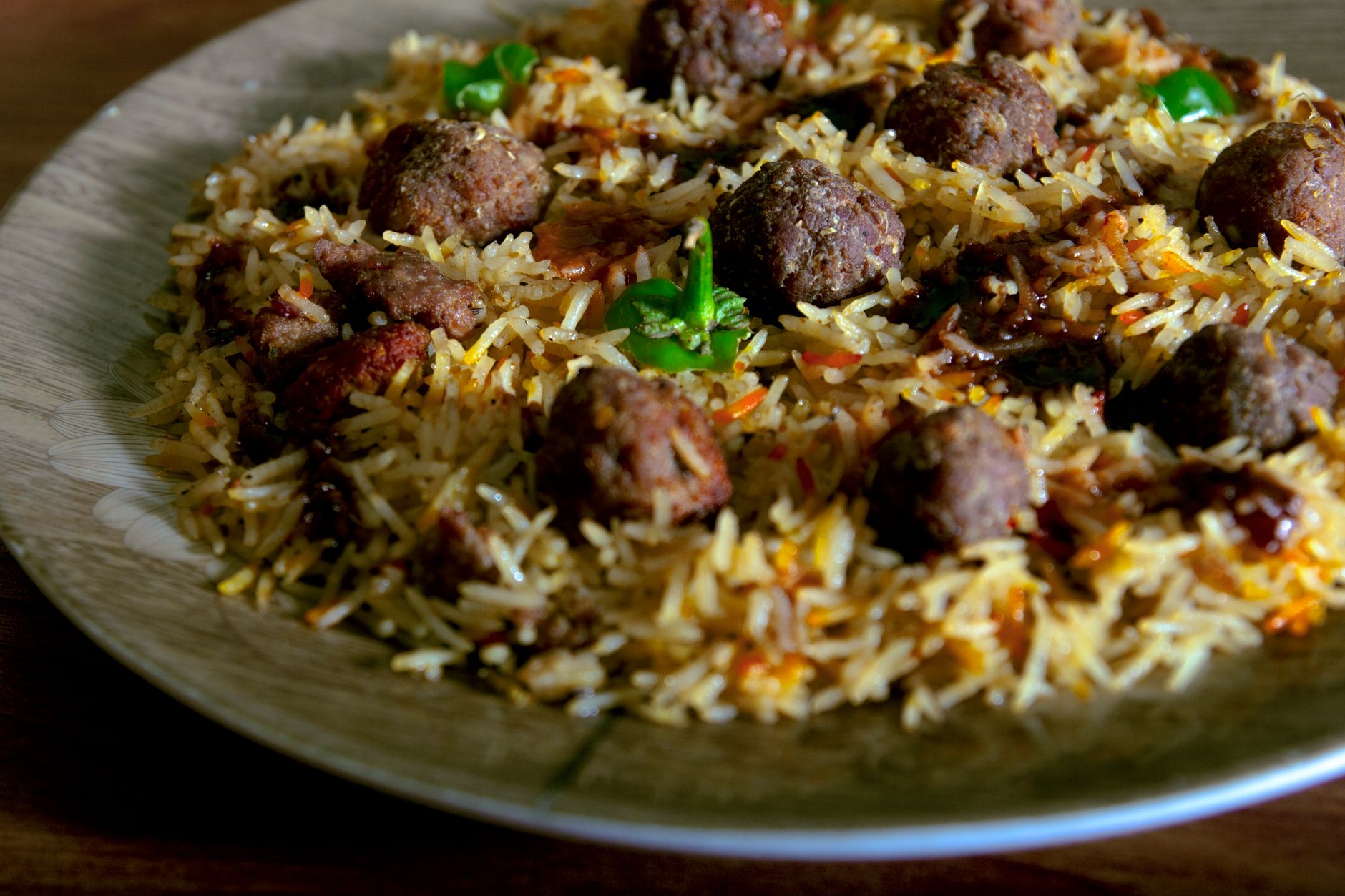
Understanding the appropriate cooking temperature for meatballs is essential for both flavor and food safety. Meatballs can be a savory addition to countless meals, ranging from spaghetti and meatballs to meatball subs or hearty soups. Knowing the right temperature ensures they’re juicy, fully cooked, and safe to eat.
In this guide, we will explore the ideal temperatures for meatballs, including factors that influence cooking times, techniques for achieving perfect results, and tips for safely storing and reheating them.
What Temp Should Meatballs Be?
Meatballs should be cooked to an internal temperature of 160°F (71°C) for ground beef, pork, and veal, while turkey and chicken should reach 165°F (74°C) for safety. This temperature not only ensures thorough cooking but also helps maintain moisture and flavor.
The Importance of Temperature in Cooking Meatballs
Cooking meatballs to the correct temperature is crucial for several reasons. First, it guarantees that any harmful bacteria present in the meat are killed, providing a safe eating experience. Second, cooking to the right temperature helps achieve the desired texture. Under-cooked meatballs can be mushy, while overcooked meatballs may become dry and tough.
Ultimately, using an accurate food thermometer will be your best tool in achieving perfectly cooked meatballs every time.
Factors Influencing Meatball Cooking Times
Several factors can influence how long your meatballs need to cook, including:
- Meat Type: Different meats have different cooking temperatures (e.g., turkey requires a higher internal temperature than beef).
- Meatball Size: Larger meatballs take longer to cook than smaller ones.
- Cooking Method: Whether baking, frying, or simmering in sauce affects cooking time.
- Starting Temperature: Meatballs cooked from a cold state, directly out of the fridge, will take longer than those at room temperature.
Cooking Methods and Their Impact on Meatball Temperature
Different cooking methods will affect the final temperature of your meatballs and how you achieve that temperature. Let’s explore several common methods:
Baking Meatballs
Baking is a convenient method for cooking large batches of meatballs evenly. Here’s how to do it:
- Preheat your oven to 400°F (200°C).
- Place the meatballs on a baking sheet lined with parchment paper or aluminum foil, spaced evenly.
- Bake for about 20-25 minutes, or until the meatballs reach their recommended internal temperature.
- Use a meat thermometer to check the internal temperature at the center of the largest meatball.
Frying Meatballs
Frying meatballs can create a flavorful crust. Here’s the frying method:
- Heat a skillet over medium-high heat and add enough oil to coat the bottom.
- Add meatballs to the pan without overcrowding.
- Fry for about 12-15 minutes, turning occasionally to ensure even browning.
- Check for an internal temperature of 160°F (71°C) to ensure doneness.
Simmering Meatballs in Sauce
Simmering meatballs in sauce not only cooks them through but also infuses them with flavor. Here’s how:
- Start by browning the meatballs in a hot skillet or oven, as detailed in the frying method.
- Add your prepared sauce to the skillet or transfer the meatballs into a pot with sauce.
- Simmer uncovered for 30-40 minutes, stirring occasionally, until the meatballs reach their desired temperature.
Slow Cooking Meatballs
Using a slow cooker can simplify the process, especially for meal prepping. Here’s a quick guide:
- Add the meatballs and your choice of sauce to the slow cooker.
- Set the cooker to low for 6-8 hours or high for 3-4 hours.
- Check the internal temperature before serving to ensure doneness.
Practical Tips for Cooking Meatballs
To help ensure your meatballs turn out delicious and safe, consider these practical tips:
- Do Not Overmix: Mix meatball ingredients until just combined to maintain tenderness.
- Use a Thermometer: Always use a reliable meat thermometer to confirm doneness.
- Let Them Rest: Allow meatballs to rest for a few minutes after cooking to retain moisture.
- Freeze for Later: Cooked meatballs can be frozen for up to three months—just reheat them in sauce or a skillet.
Common Mistakes to Avoid
Even with detailed recipes and temperature guidelines, mistakes can happen. Here are some common pitfalls to watch for:
- Not Preheating: Always preheat ovens or pans before cooking; this ensures an even cooking process.
- Skipping the Thermometer: Don’t rely on color alone to gauge doneness; it may mislead you.
- Undercooking or Overcooking: Finding the right balance is key; both can ruin the texture and safety of meatballs.
What to Serve with Meatballs
Meatballs are versatile and can complement various dishes. Here are a few popular serving ideas:
- Spaghetti: Classic combination enjoyed with marinara sauce.
- Meatball Sub: Served in a hoagie roll with marinara and melted cheese.
- Meatball Soup: Added to a hearty broth with vegetables.
- Asian Meatballs: Glazed in teriyaki or sweet and sour sauce over rice.
Meatball Recipe Variations and Substitutions
There are countless ways to personalize your meatball recipe. Below are some variations and substitutions to consider:
Meat Options
- Beef: The most traditional choice for meatballs.
- Pork: Ground pork adds a different flavor; combine with beef for moister meatballs.
- Turkey or Chicken: A leaner option; be careful not to overcook.
- Vegetarian: Substitutions like lentils or chickpeas can create flavorful veggie meatballs.
Binders and Flavorings
- Breadcrumbs: Traditional ingredient that helps bind meat and adds texture.
- Parmesan Cheese: Enhances flavor; can also use nutritional yeast for a dairy-free alternative.
- Herbs: Fresh basil, oregano, or parsley can brighten the flavor.
- Onion and Garlic: Sauteed or added raw for depth of flavor.
Storage and Reheating Meatballs
Proper storage is vital to maintaining meatballs’ flavor and safety. Here are your options:
Storing Cooked Meatballs
- Refrigerating: Store in an airtight container for up to three days.
- Freezing: Portion into containers or freezer bags; label with the date for up to three months.
Reheating Cooked Meatballs
- Microwaving: Place on a microwave-safe plate, cover with a damp cloth, and reheat in 30-second intervals until heated through.
- Oven: Cover with foil and reheat at 350°F (175°C) until warmed, about 15-20 minutes.
- Simmering: Add them back to a sauce to reheat while infusing flavor.
Conclusion
Cooking meatballs to the correct temperature is fundamental to both their flavor and safety. Remember, 160°F (71°C) is your target for beef, pork, and veal, while poultry demands 165°F (74°C). Using this guide, you can create perfectly cooked meatballs that are a staple in your meal rotation!
Explore related recipes and tips by checking out our meatball appetizer recipe or our unique porcupine meatballs recipe.