
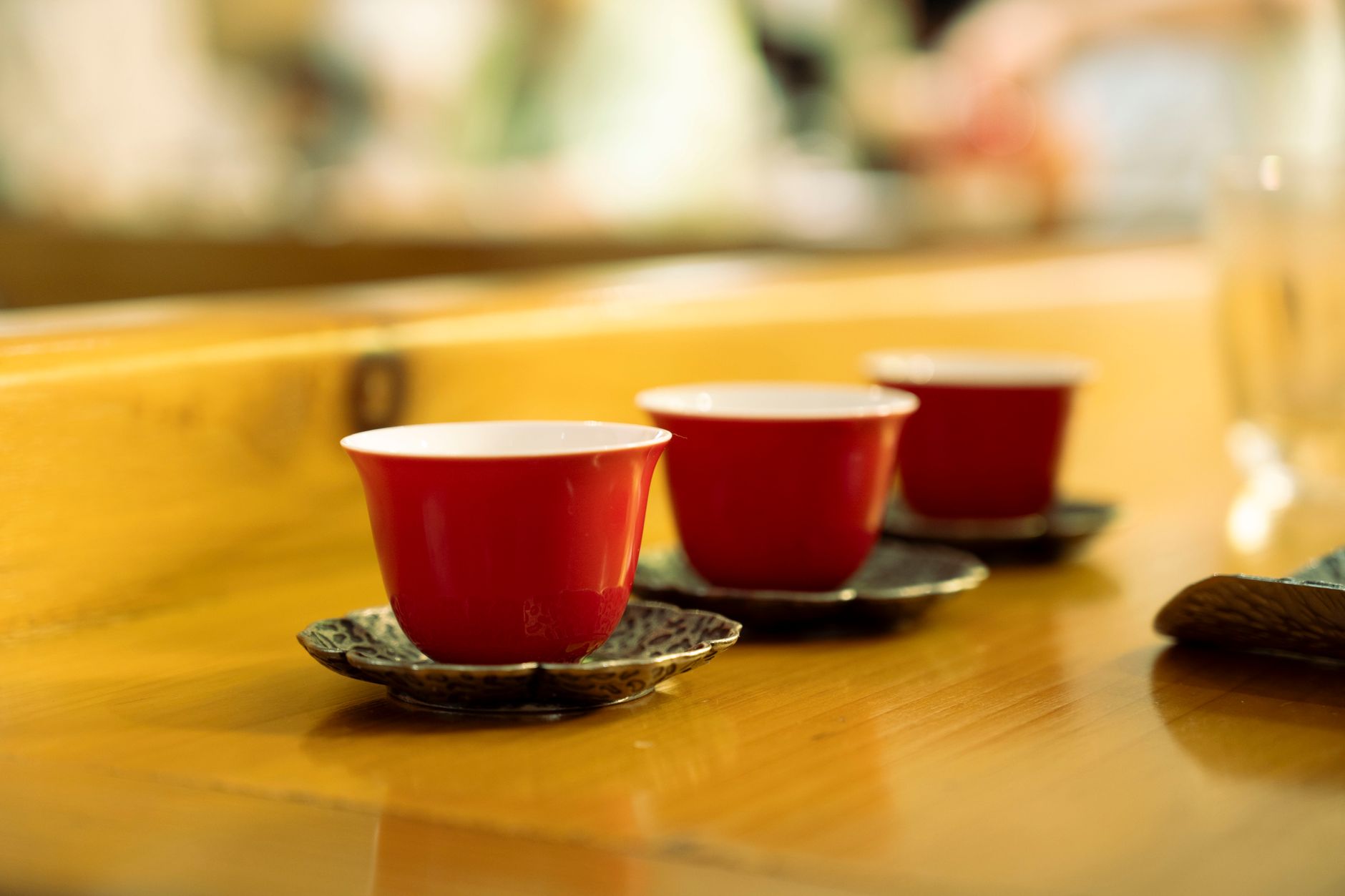
Ginseng tea is a popular herbal beverage known for its distinct flavor and numerous health benefits. Made from the roots of the ginseng plant, this tea has been consumed for centuries in various cultures, particularly in Asia. Many people turn to ginseng tea for a natural boost in energy, improved mental clarity, and other potential health perks.
This article will explore what ginseng tea is good for, including its nutritional properties, different types, and practical usage in daily diets. Whether you are a seasoned tea drinker or just starting to explore herbal infusions, understanding ginseng tea’s benefits can help you incorporate this healthful drink into your routine.
What Is Ginseng Tea Good For?
Ginseng tea is believed to provide various health benefits, including enhanced energy levels, improved cognitive function, and immune system support. It contains essential vitamins, minerals, and antioxidants that contribute to overall wellness. Additionally, those seeking natural remedies may use it to alleviate stress or fatigue.
Understanding Ginseng: Types and Properties
To appreciate ginseng tea’s benefits fully, it is essential to understand the different types of ginseng and their unique properties.
1. Panax Ginseng
Also known as Asian ginseng or Korean ginseng, Panax ginseng is most commonly used for its energy-boosting and cognitive-enhancing properties. It contains ginsenosides, compounds believed to improve memory and concentration.
2. American Ginseng
American ginseng is renowned for its calming effects, making it an excellent choice for those seeking stress relief. It has a milder flavor than its Asian counterpart and is often recommended for balancing energy levels.
3. Siberian Ginseng
Though not a true ginseng, Siberian ginseng (Eleutherococcus senticosus) is used for its adaptogenic properties to enhance resilience against stress. It is also noted for boosting energy and endurance.
Nutritional Benefits of Ginseng Tea
Ginseng tea is rich in several nutrients and beneficial compounds. Understanding these components can help explain its various health claims.
- Antioxidants: Ginseng tea contains antioxidant properties that help fight free radicals, potentially reducing oxidative stress and inflammation in the body.
- Vitamins: It is a source of essential vitamins like B vitamins, vitamin C, and potassium, supporting overall health and wellness.
- Minerals: Important minerals such as calcium, iron, and magnesium in ginseng contribute to bone health, muscle function, and metabolic processes.
- Ginsenosides: These bioactive compounds are responsible for many of ginseng’s medicinal properties, including improved brain function and anti-fatigue effects.
Potential Health Benefits of Ginseng Tea
Ginseng tea lovers often cite several health benefits, many of which are backed by research. Here are some potential benefits that make this tea worthwhile.
1. Energy Booster
One of the most celebrated benefits of ginseng tea is its ability to combat fatigue and enhance energy levels. Many users report feeling more energized without the jitters commonly associated with caffeine.
2. Enhancing Cognitive Function
Research suggests that ginseng can improve cognitive performance, especially in tasks requiring focus and memory retention. Drinking ginseng tea may help sharpen your mind, making it a popular choice during mentally demanding tasks.
3. Immune System Support
Ginseng tea may help in supporting the immune system by enhancing the body’s resistance to illness. Regular consumption can be beneficial during cold and flu seasons.
4. Anti-Inflammatory Effects
The anti-inflammatory properties of ginsenosides assist in reducing inflammation throughout the body, contributing to overall health and potentially reducing the risk of chronic diseases.
5. Stress Reduction
American ginseng, in particular, has calming properties that may help alleviate stress and anxiety. Sipping ginseng tea can provide a soothing ritual to support relaxation.
6. Potential Cancer Protection
Some studies have hinted that ginseng may have anti-cancer properties, possibly inhibiting the growth of certain cancer cells. While more research is needed, this potential benefit adds to the appeal of ginseng tea.
How to Make Ginseng Tea
Making ginseng tea at home is quite simple. Here’s a straightforward method to get you started.
Yield and Time
Yield: 2 servings
Preparation time: 5 minutes
Steeping time: 10-15 minutes
Total time: 15-20 minutes
Ingredients
- 2 grams of dried ginseng root (or 1 ginseng tea bag)
- 2 cups of water
- Optional: honey, lemon, or ginger for flavor
Essential Equipment
- Teapot or saucepan
- Strainer (if using loose ginseng root)
- Cup for serving
Method
- Boil 2 cups of water in a teapot or saucepan.
- If using dried ginseng root, slice it thinly to increase surface area and extraction. Use a strainer to separate the tea from the root after steeping.
- Once the water has reached a rolling boil, add the ginseng to the water. If using a tea bag, simply place it in the water.
- Lower the heat and let it simmer for 10-15 minutes. For a stronger flavor, you can steep longer.
- If using dried ginseng, strain the tea into your cup, discarding the root. If using a tea bag, simply remove it.
- Add honey, lemon, or ginger for additional flavor if desired and stir well.
- Enjoy your refreshing ginseng tea!
Flavor Profile and Serving Suggestions
Ginseng tea has a unique, earthy flavor that can be somewhat bitter, particularly if steeped for an extended period. Many people enjoy sweetening it with honey or adding a splash of lemon for brightness. Here are some serving suggestions:
- Pair ginseng tea with light snacks like nuts or fruits.
- Serve it with breakfast items such as oatmeal or yogurt for a nourishing start to your day.
- Add it to smoothies for a nutritional boost.
Common Mistakes and Troubleshooting
While making ginseng tea is straightforward, there are a few common blunders to watch out for:
- Oversteeping: Letting ginseng steep for too long can result in a bitter taste. Aim for a balance between flavor extraction and a pleasant drinking experience.
- Using too much root: Start with a small amount of ginseng, especially if you are new to it. You can always adjust according to your preference as you become accustomed to the flavor.
Storage and Reheating
Ginseng tea is best consumed fresh. However, if you make a larger batch, you can store unused tea in the refrigerator for up to 3-5 days. Keep it in an airtight container to maintain its freshness. When reheating, warm gently on the stove or in the microwave without bringing it to a boil.
Practical Substitutions and Variations
While ginseng provides distinct flavor and health benefits, there are some alternatives you can consider if unavailable:
- Matcha Tea: If you are looking for a caffeine boost, matcha provides a different but invigorating experience.
- Green Tea: This offers many health benefits and can be an excellent substitute for those who prefer a lighter taste.
- Chamomile Tea: For a calming effect, chamomile is an excellent alternative, especially before bedtime.
Who Should Avoid Ginseng Tea?
While many people can enjoy ginseng tea, there are exceptions. Individuals on certain medications, especially blood thinners or diabetes medications, should consult a healthcare provider before incorporating ginseng into their diets. Pregnant or breastfeeding women should also seek medical advice before use.
Final Thoughts on Ginseng Tea
Ginseng tea serves as a flavorful and healthful addition to many diets. Its potential benefits for energy, cognitive function, and overall wellness make it worth considering. By understanding how to properly prepare and enjoy this herbal infusion, you can incorporate it seamlessly into your routine.
For a refreshing herbal experience, consider trying out this ginseng tea recipe and exploring other herbal teas like dandelion tea. You might also enjoy preparing a nutritious chia pudding as a complementary snack!
For more insights, check out our dandelion tea recipe or learn about the chia pudding recipe!