
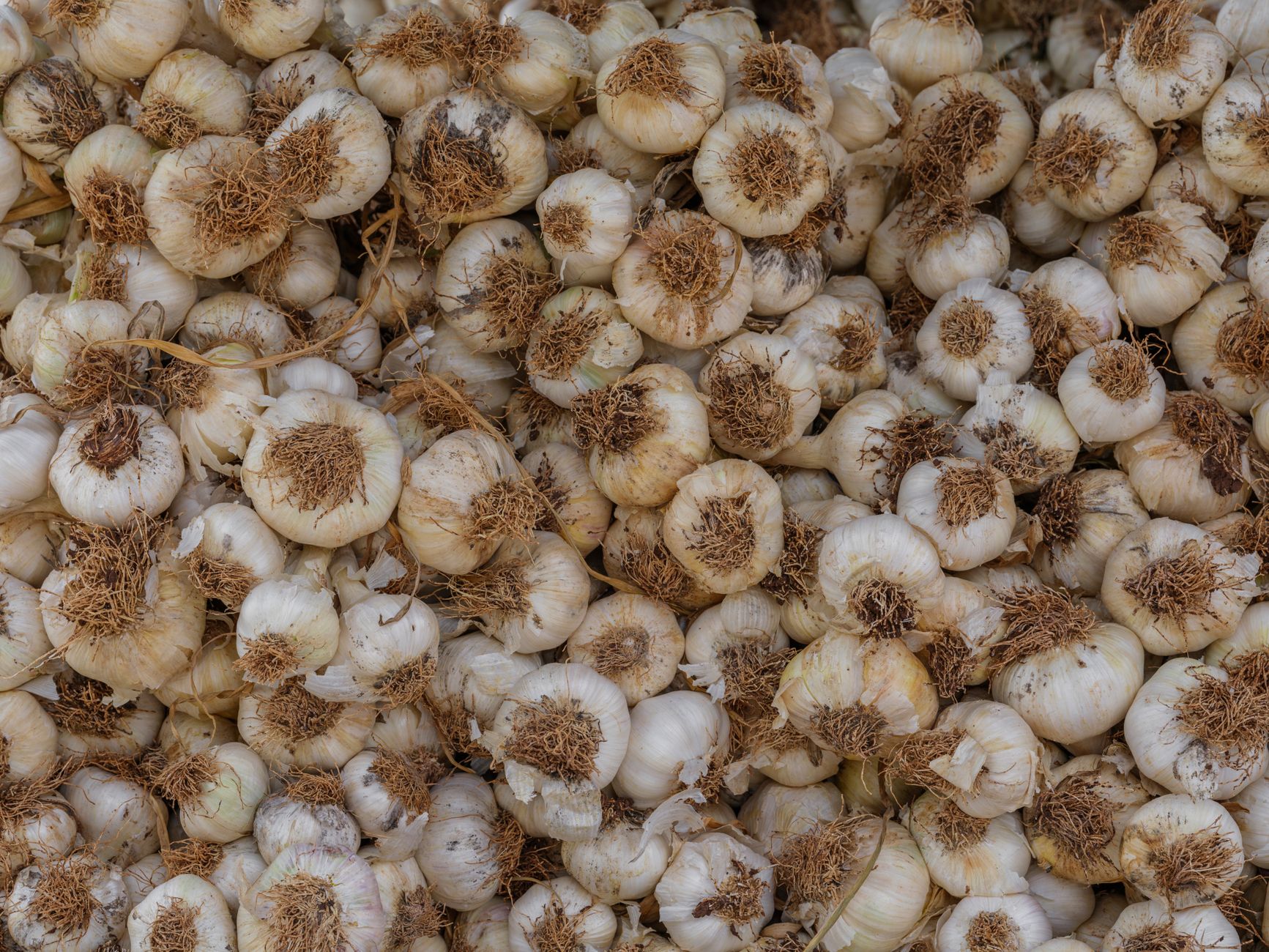
Garlic is a beloved ingredient that adds depth and flavor to a variety of dishes. However, knowing how to properly store garlic to maintain its freshness is essential for any home cook. Understanding how long garlic stays good in the fridge can prevent waste and ensure your recipes shine.
In this guide, we will explore the shelf life of garlic, the best storage practices, how to recognize when garlic has gone bad, and tips for maximizing its lifespan. So let’s dig in!
How Long Is Garlic Good for in the Fridge?
Garlic can last between 7 to 10 days in the fridge when stored properly. Whole garlic bulbs tend to last longer than peeled cloves or chopped garlic, which have a shorter shelf life. Keeping garlic in an ideal storage environment can help maintain its freshness for as long as possible.
Types of Garlic and Their Storage Characteristics
Garlic varies in forms, each having distinctive storage requirements and longevity. Here’s a breakdown:
- Whole Garlic Bulbs: When left intact and stored in a cool, dark place, whole garlic bulbs can last several weeks, but they can be refrigerated for about a week to ten days for enhanced freshness.
- Peeled Garlic Cloves: Once you peel garlic cloves, they should be stored in an airtight container in the fridge and are best used within a week.
- Chopped or Minced Garlic: If garlic is chopped or minced, it has an even shorter shelf life. Store it in the refrigerator, ideally in a tightly sealed container, and use it within 5 to 7 days.
- Garlic Paste: Homemade garlic paste can last about a week in the refrigerator, similar to chopped garlic. Store it in an airtight container to maintain freshness.
- Roasted Garlic: Roasted garlic can be stored in the refrigerator for up to two weeks. Ensure it is kept in a sealed container and is fully cooled before refrigeration.
- Garlic Oil: If you make garlic-infused oil, store it in the fridge and use it within one week to avoid any risk of botulism.
Best Practices for Storing Garlic
Proper storage is key to prolonging the life of garlic. Below are several effective practices:
1. Store Whole Garlic Bulbs Properly
Whole garlic bulbs should be kept in a cool, dark, and dry place. A well-ventilated container, like a mesh bag or basket, is ideal to allow airflow and prevent moisture buildup.
2. Use Airtight Containers
For peeled, chopped, or minced garlic, it’s crucial to use airtight containers. This helps to avoid exposure to air and moisture, which can quickly lead to spoilage.
3. Avoid Storing in Plastic Bags
Do not store garlic in plastic bags, as this can trap moisture and promote mold growth. Instead, opt for paper or mesh bags for whole bulbs.
4. Keep Garlic Away from Other Produce
Garlic can release moisture, which is detrimental to other vegetables. Store garlic separately to prevent spoilage of other produce.
5. Line Containers with Paper Towels
If storing peeled cloves or minced garlic, consider lining the container with a paper towel to absorb excess moisture, extending freshness.
Signs That Garlic Has Gone Bad
Recognizing spoiled garlic is essential to avoid using it in your dishes. Here are some indicators:
- Soft or Mushy Texture: Fresh garlic should feel firm to the touch. If it becomes soft or mushy, it is no longer good.
- Sprouting: Garlic that has sprouted is still usable, but the sprouts can be bitter. Simply remove them if desired.
- Mold Growth: Any signs of mold or discoloration indicate that garlic should be discarded.
- Off Smell: Fresh garlic has a pungent aroma. A sour or unusual smell is a sign that it has spoiled.
Can You Freeze Garlic?
If you have leftover garlic that you won’t use in time, freezing is a viable option. Garlic freezes well and can last for several months. Here’s how to do it properly:
1. Peel and Chop
Start by peeling and chopping the garlic. You can also puree it if you prefer.
2. Use Ice Cube Trays
Fill an ice cube tray with chopped garlic and then cover it with olive oil or water. This makes it easy to portion out later.
3. Freeze
Transfer the tray to the freezer. Once the garlic cubes are frozen solid, pop them out and store them in a freezer-safe bag or container.
4. Label and Store
Be sure to label the container with the date so you can keep track of its freshness. Use frozen garlic within 6 months for the best flavor.
Practical Uses for Garlic
Garlic is versatile and can enhance a multitude of dishes. Here are some practical uses:
- Flavor Base: Use garlic as a flavor base for soups, sauces, and stews.
- Sautéing: Sauté minced garlic in olive oil to create a fragrant base for vegetables or meats.
- Marinades: Incorporate chopped or minced garlic into marinades for meats or vegetables for added flavor.
- Spreads: Add roasted garlic to cream cheese or butter to create delicious spreads for bread.
- Garlic Bread: Use fresh or roasted garlic to make homemade garlic bread, an excellent accompaniment to pasta dishes.
Common Mistakes to Avoid When Storing Garlic
Here are some common pitfalls in garlic storage to steer clear of:
1. Not Removing the Skin
Peeled garlic should be stored properly. Leaving it unsealed can lead to premature spoilage.
2. Misusing the Refrigerator
While refrigeration can extend garlic’s life, it is not always necessary for whole bulbs. Determine the appropriate storage method based on the garlic’s form.
3. Letting Garlic Get Wet
Garlic should always be dry before it is stored. Moisture can encourage mold and spoilage.
4. Ignoring Expiry Dates
If purchasing pre-peeled or pre-minced garlic, be mindful of expiry dates and consume them in a timely manner.
Summary of Garlic Storage Tips
To sum up, garlic is a flavorful ingredient that can complement many dishes when stored properly. Whole bulbs can last up to ten days in the fridge, while peeled or chopped garlic should be used within a week. Always check for signs of spoilage, and consider freezing leftover garlic to prolong its lifespan.
By following these guidelines for storage and recognizing when garlic goes bad, you can reduce food waste and ensure that your culinary creations are both delicious and safe. Now that you’re equipped with the right storage knowledge, you can confidently include garlic in your kitchen endeavors.
For further culinary exploration, check out tips on how long cooked ground beef is good in the fridge and the shelf life of chia seeds.