
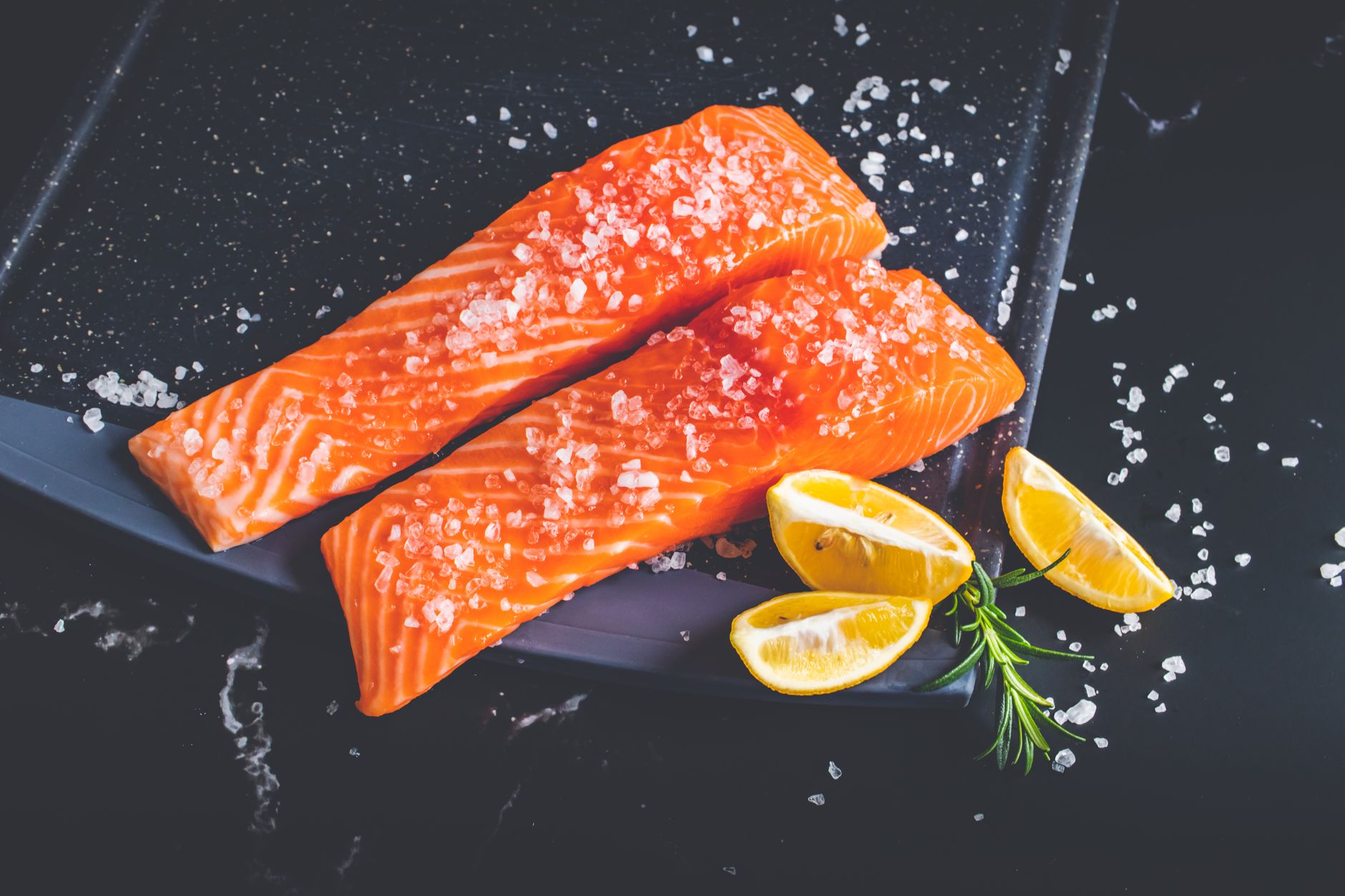
Understanding how long salmon takes to defrost is crucial for achieving the best results when cooking this popular fish. Proper thawing ensures a good texture and flavor, allowing the salmon to shine in your chosen recipe.
This guide will cover methods and timing for defrosting salmon safely and effectively. Whether you’re planning a weeknight dinner or a special occasion, knowing how to thaw salmon properly will elevate your meal preparation.
How Long Does Salmon Take to Defrost?
Salmon generally takes about 12 to 24 hours to defrost in the refrigerator or about 1 to 2 hours when using a cold water method. The microwave method is the quickest, taking only minutes, but it requires careful monitoring to avoid partially cooking the fish.
Why Thawing Salmon Properly Matters
Proper thawing of salmon is essential for the texture and taste of the fish. Thawing it too quickly, such as in warm water or in a microwave, can lead to uneven cooking, resulting in a rubbery texture. Slow and careful thawing contributes to a moist and flavorful dish.
Methods for Thawing Salmon
1. Refrigerator Method
The refrigerator is the safest method for defrosting salmon. This method allows the fish to thaw gradually while minimizing the risk of bacterial growth.
- Remove the salmon from the freezer and keep it in its packaging, or place it in a leak-proof container.
- Place the salmon in the refrigerator on a tray to catch any drips.
- Allow 12 to 24 hours for the salmon to thaw completely, depending on the size and thickness of the fillet.
Whole salmon, for example, may take longer than fillets or steaks, so plan accordingly.
2. Cold Water Method
If you need to defrost salmon quickly, the cold water method is a great alternative. This method is faster than refrigeration and still safe if done correctly.
- Keep the salmon in its vacuum-sealed packaging. If the packaging is damaged, place the salmon in a resealable plastic bag, ensuring it is airtight.
- Submerge the salmon in a bowl of cold water. Be sure the water is cold to prevent any growth of bacteria.
- Change the water every 30 minutes to maintain a safe temperature.
- Generally, salmon fillets can thaw in about 1 to 2 hours using this method. Whole fish may take longer, closer to 2 to 3 hours.
3. Microwave Method
The microwave method is the fastest but requires careful attention to avoid cooking the fish. Use this method only if you plan to cook the salmon immediately after thawing.
- Remove the salmon from all packaging and place it on a microwave-safe plate.
- Select the defrost setting on your microwave. If your microwave doesn’t have a defrost option, set it to 30% power.
- Defrost in short intervals of 2 to 3 minutes, checking the salmon frequently to avoid cooking any edges.
- Once the salmon is thawed (it should be flexible but cold), cook it right away.
Timing Considerations
Size and Thickness Affect Defrosting Time
Always consider the size and thickness of your salmon when planning to defrost. A thicker fillet will take longer to thaw than a thinner one. Additionally, a whole salmon will obviously require more time than individual fillets. Use the methods outlined above, adjusting your timing according to the specific piece of salmon you have.
Planning Your Meal
When planning a meal, it is essential to know how long your salmon will take to defrost, especially if you have a specific time frame for dinner. If you’re defrosting salmon in the refrigerator, plan ahead and set it out the night before your meal.
Storage Tips Before and After Thawing
To keep your salmon fresh and safe to eat, follow these storage tips:
- Store salmon in the coldest section of your freezer to maintain its quality.
- Salmon should ideally be consumed within 1 to 2 days of thawing if kept in the refrigerator.
- If you decide not to cook the thawed salmon, it can be refrozen, but it may affect the texture and quality. Always refreeze salmon within two days of thawing.
Common Mistakes to Avoid When Thawing Salmon
1. Thawing at Room Temperature
Never thaw salmon at room temperature as this increases the risk of bacterial growth, which can lead to foodborne illness.
2. Using Hot Water
Using hot or warm water may lead to uneven thawing and can start cooking the fish, affecting its texture. Always use cold water if you opt for this method.
3. Forgetting to Check the Texture
Thawed salmon should feel pliable and soft, not mushy or slimy. If it has an off smell or feels excessively slimy after thawing, discard it.
Cooking Salmon After Thawing
Once your salmon is thawed, it’s prime time to cook! Here are some cooking methods to consider:
- Grilling: Add flavor with marinades. Cook for about 5–7 minutes per side, depending on thickness.
- Baking: Preheat to 350°F (175°C). Bake for about 12–15 minutes, checking for opaque color.
- Pan-searing: Sear in a hot skillet with olive oil for about 4–5 minutes per side.
- Poaching: Simmer in flavored liquid until cooked through, approximately 10–15 minutes.
Cooking times may vary depending on the thickness and method, so always check the flesh for doneness. It should flake easily with a fork when done.
Serving Suggestions
Salmon pairs beautifully with a variety of sides that can complement its rich flavor:
- Cooked greens like spinach or asparagus
- Roasted or mashed potatoes
- Couscous or quinoa salad with lemon vinaigrette
- Fresh salads topped with olives or feta cheese
Conclusion
To summarize, understanding how to thaw salmon properly enhances both its taste and safety. The best methods are the refrigerator and cold water methods, with each offering different timing based on your needs. Avoid common mistakes, and enjoy cooking salmon without hassle.
Next time you’re planning a meal with salmon, remember these tips for defrosting, cooking, and serving. For more cooking insights, explore how long it takes to bake a sweet potato or discover how to thaw meat fast.