
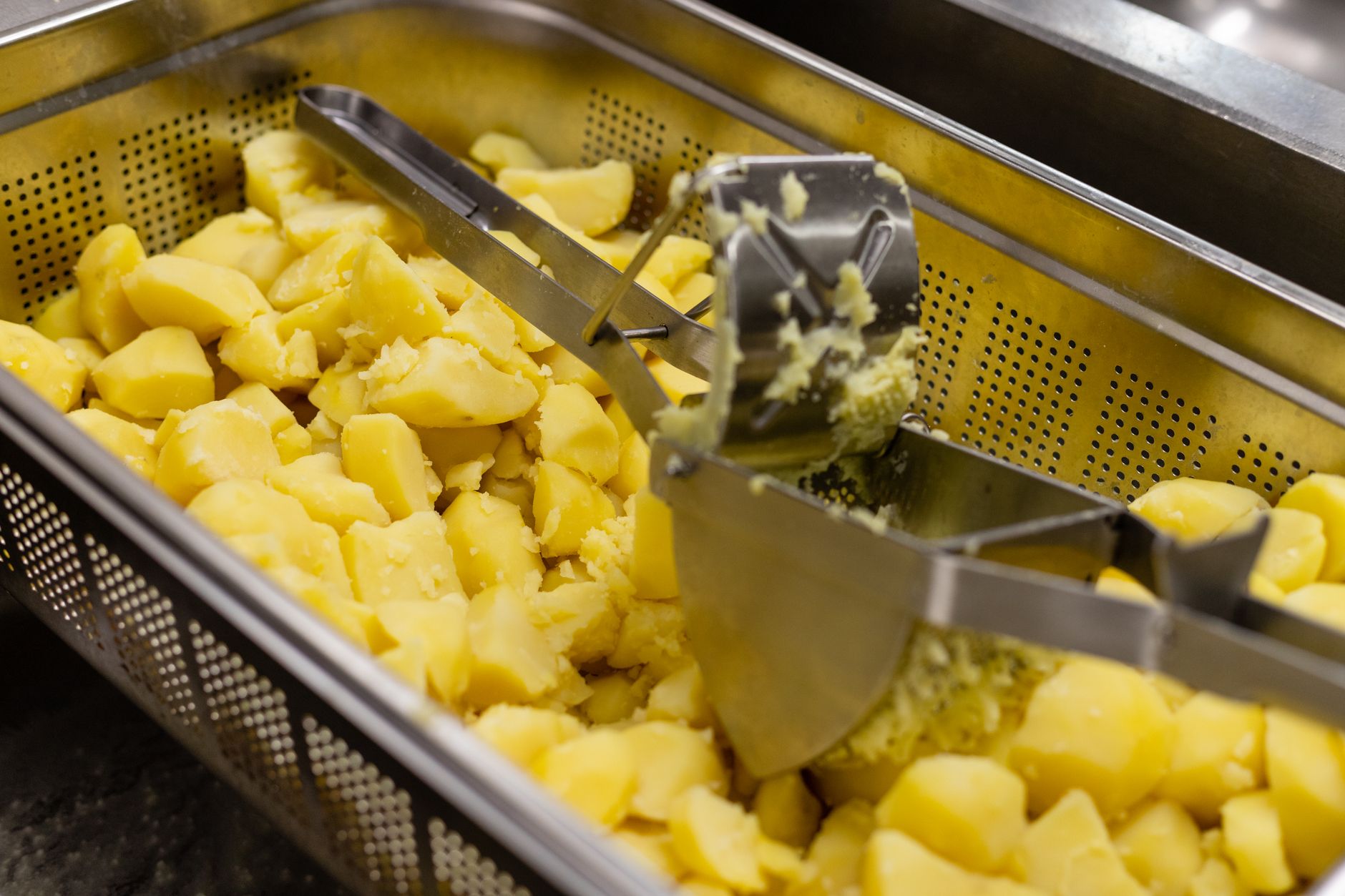
Mashed potatoes are a comforting staple that can elevate any meal. They are creamy, buttery, and can be customized with various flavors. Whether you are serving them at a holiday dinner or cooking a simple weeknight meal, knowing how to boil and prepare mashed potatoes is essential.
This guide explores how long it takes to boil potatoes for mashing, tips for achieving perfect texture and flavor, and practical advice on ingredient choices and preparation methods.
How Long to Boil Mashed Potatoes?
The time it takes to boil potatoes for mashed potatoes varies based on the type of potato and the size of the pieces. Generally, it takes about 15 to 25 minutes for cubed potatoes and 20 to 30 minutes for whole potatoes. Once they are fork-tender, they are ready for mashing.
Choosing the Right Potatoes for Mashing
The choice of potato can significantly affect the texture and flavor of your mashed potatoes. Here are the primary types of potatoes to consider:
- Russet potatoes: High in starch, russets create creamy mashed potatoes with a fluffy texture.
- Yukon Gold potatoes: These have a buttery flavor and a good balance between starch and moisture, resulting in slightly denser mashed potatoes.
- Red potatoes: Lower in starch, red potatoes yield a more waxy texture and are great for a chunkier style of mashed potatoes.
- Sweet potatoes: Offering a sweet flavor, sweet potatoes can be mashed on their own or blended with regular potatoes for a unique twist.
Preparing the Potatoes
Proper preparation is key to ensuring your mashed potatoes are smooth and creamy. Here’s how to prepare your potatoes for boiling:
- Wash: Scrub the potatoes under running water to remove any dirt or debris.
- Peel: While some may prefer to keep the skins on, peeling is generally recommended for creamier mashed potatoes.
- Cut: Chop the potatoes into evenly sized pieces, about 1 to 2 inches thick. This ensures they cook at the same rate.
Boiling the Potatoes
Follow these steps to boil your potatoes:
- Start with cold water: Place the prepared potatoes in a large pot and cover them with cold water. Adding them to cold water helps them cook evenly.
- Add salt: Add about one teaspoon of salt per quart of water. This enhances the flavor of the potatoes.
- Bring to a boil: Place the pot on the stove over high heat and bring the water to a boil.
- Reduce heat: Once boiling, reduce the heat to medium to maintain a gentle boil. If the boil is too vigorous, the potatoes can break apart.
- Check for doneness: After about 15 to 25 minutes, begin checking the potatoes for doneness. They are ready when a fork or knife easily pierces them.
Common Mistakes When Boiling Potatoes
A few mistakes can lead to uneven cooking or undesirable texture in your mashed potatoes:
- Not starting with cold water: This can cause the outsides to cook faster than the insides, resulting in uneven texture.
- Overcrowding the pot: Cooking too many potatoes at once can lower the water temperature and lead to longer cooking times.
- Boiling too vigorously: This may break the potatoes apart, making them difficult to mash smoothly.
Flavoring Your Mashed Potatoes
Once your potatoes are boiled and drained, it’s time to add flavor. Here are some ingredients you can incorporate for enhanced taste and creaminess:
- Butter: Adds rich flavor and creaminess. Use unsalted butter if you prefer to control salt levels.
- Milk or cream: For a creamier texture, add warm milk or heavy cream gradually while mashing.
- Garlic: Roasted or sautéed garlic can be added for depth of flavor.
- Cheese: Cream cheese, sour cream, or shredded cheese can provide additional richness.
- Herbs: Fresh herbs like chives, parsley, or rosemary can add fresh notes to your mashed potatoes.
Mashing Techniques
The method you use to mash your potatoes affects their final texture:
- For a classic smooth finish, use a potato masher.
- For an ultra-smooth texture, consider a ricer or food mill, which removes lumps effectively.
- Be careful not to over-mash, which can create a gluey texture due to the release of too much starch.
Troubleshooting Mashed Potatoes
If you encounter problems with your mashed potatoes, here are solutions to common issues:
- Gluey texture: This typically occurs from over-mashing. To fix it, fold in some warm milk or cream gently without overworking the potatoes.
- Too dry: Add more milk or melted butter gradually until the desired creaminess is achieved.
- Too salty: If you’ve added too much salt, incorporate more potatoes to balance the flavor.
Serving Mashed Potatoes
Mashed potatoes can accompany a variety of dishes, making them versatile in meal planning. Here are some ideas:
- Pair with roasted meats, such as turkey, chicken, or beef for a classic dinner.
- Top with gravy or a savory sauce for added flavor.
- Mix with roasted vegetables for a hearty side dish.
Make-Ahead Guidance
If you plan on preparing mashed potatoes in advance, here are some useful tips:
- Storage: Once cooked and mashed, store in an airtight container in the refrigerator for up to 3 days.
- Reheating: Gently reheat in a saucepan over low heat with a splash of milk or butter to restore creaminess.
- Freezing: Mashed potatoes can be frozen; however, the texture may change. Thaw in the refrigerator before reheating.
Variations of Mashed Potatoes
Explore exciting variations on classic mashed potatoes:
- Loaded mashed potatoes: Mix in cheese, bacon bits, and chopped green onions for a hearty treat. For a recipe, check out loaded mashed potatoes.
- Herbed mashed potatoes: Incorporate fresh herbs or flavored oils for a fresh twist.
- Cauliflower mashed potatoes: Substitute part or all of the potatoes with cauliflower for a lighter option.
Final Tips for Perfect Mashed Potatoes
To wrap up your mashed potato journey, keep these final tips in mind:
- Always taste and adjust seasoning before serving.
- Experiment with different potato types and additions to find your favorite flavor combinations.
- Consider using a mixer on low speed if you prefer an extra creamy texture.
Mastering the art of boiling potatoes for mashing is a vital skill in the kitchen. With the right preparation, flavoring, and techniques, you can create delicious, creamy mashed potatoes that are sure to impress.
For more culinary inspiration, you can learn about storing banana bread or explore other tasty dishes. Happy cooking!