
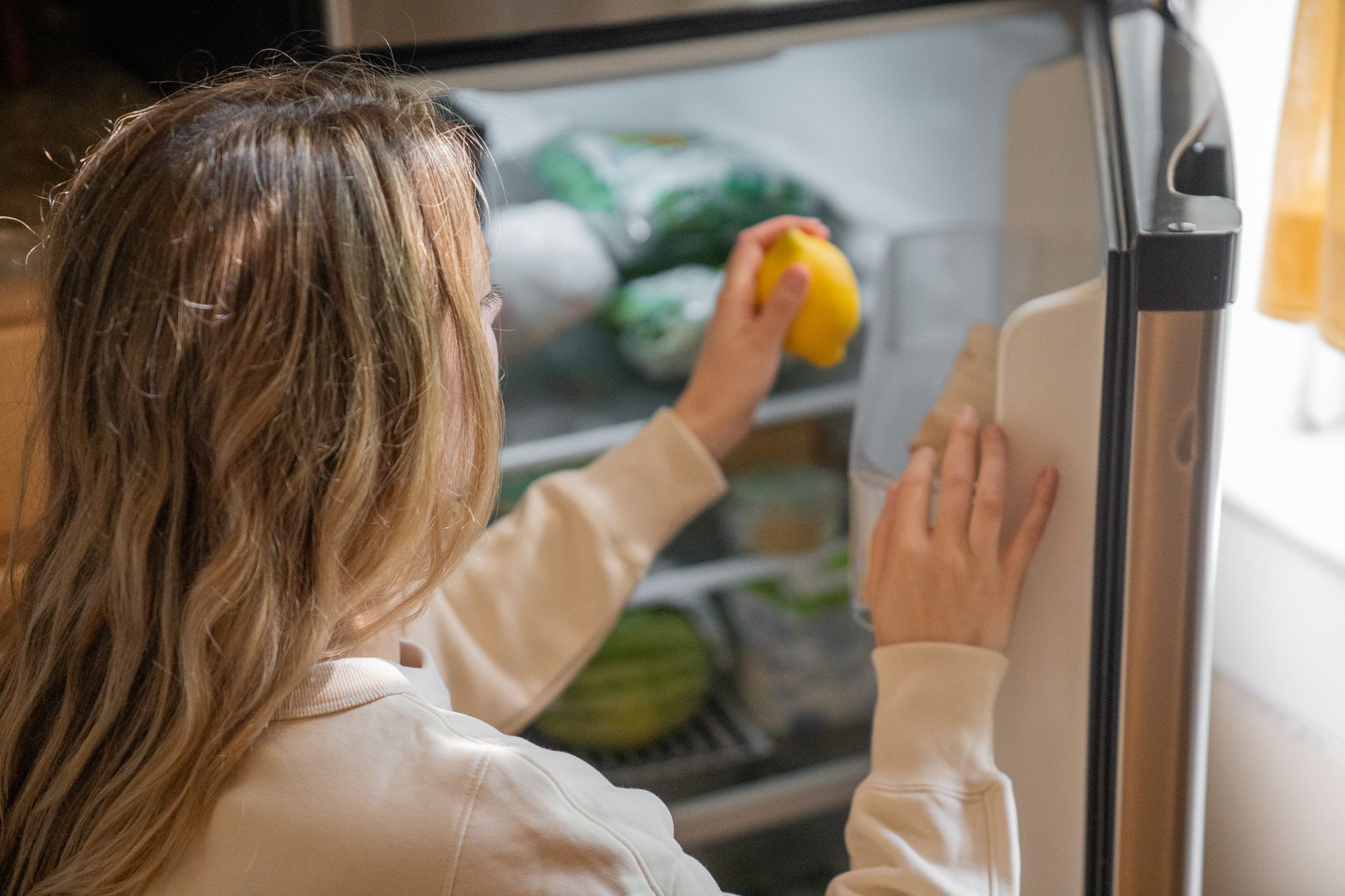
Lemons are a versatile ingredient often used in various dishes, drinks, and desserts, thanks to their tangy flavor and vibrant aroma. However, like any other fresh produce, they have a limited shelf life. Understanding whether lemons go bad in the fridge and how to store them effectively can help you minimize waste and enjoy their freshness for longer.
This guide will delve into the specifics of lemon shelf life, storage tips, signs of spoilage, and best practices to ensure your lemons remain fresh and flavorful for as long as possible.
Do Lemons Go Bad in the Fridge?
Yes, lemons can go bad in the fridge, but their shelf life is relatively long compared to other fruits. Proper storage methods can help extend their freshness, making them last several weeks to even a couple of months under ideal conditions.
The Shelf Life of Lemons
The shelf life of lemons can vary depending on their freshness at the time of purchase and how you store them. Here’s an overview:
- Whole Lemons: Typically last about 1 to 3 weeks in the fridge.
- Cut Lemons: Will stay fresh for about 3 to 4 days when properly stored in an airtight container.
- Freshly Squeezed Lemon Juice: Can last for 2 to 3 days in the fridge; freezing is recommended for extended shelf life.
Understanding Spoilage: Signs Your Lemons Have Gone Bad
Even if stored in the fridge, lemons can spoil. Here are some signs to look for:
- Soft or Mushy Texture: Fresh lemons should be firm. If they feel squishy, they may be past their prime.
- Discoloration: Lemons should retain their vibrant yellow color. Dark spots or browning may indicate spoilage.
- Mold: If you see any fuzz or mold on the skin or stem end, it’s best to discard the lemon.
- Off Odor: Fresh lemons have a bright, citrusy aroma. A sour or fermented smell may indicate bad lemons.
Storing Lemons: Best Practices for Freshness
To maximize the shelf life of your lemons, consider the following storage tips:
Whole Lemons
- Keep them Refrigerated: Store whole lemons in the refrigerator’s crisper drawer to maintain moisture and freshness.
- Use a Produce Bag: A breathable produce bag can prevent moisture loss while allowing air circulation.
- Avoid Storing with Other Fruits: Lemons should not be stored with bananas or apples, as these fruits emit ethylene gas, which can hasten spoilage.
Cut Lemons
- Wrap Securely: After cutting a lemon, wrap it tightly in plastic wrap or place it in an airtight container.
- Use Quickly: Try to use cut lemons within a few days to enjoy the best flavor and freshness.
Fresh Lemon Juice
- Store in an Airtight Container: Freshly squeezed lemon juice should be stored in a glass or plastic airtight container.
- Refrigerate or Freeze: For short-term use, keep it in the fridge; for long-term storage, consider freezing it in ice cube trays.
Freezing Lemons: A Guide to Long-Term Storage
If you find yourself with an abundance of lemons, consider freezing them to extend their shelf life. Here’s how:
Freezing Whole Lemons
- Rinse and Dry: Wash the lemons under cold water and dry them thoroughly.
- Place in a Freezer Bag: Store whole lemons in freezer-safe bags, squeezing out excess air before sealing.
- Label and Freeze: Label the bags with the date and store them in the freezer.
Freezing Lemon Juice
- Squeeze the Juice: Use a juicer to extract the juice from the lemons.
- Pour into Ice Cube Trays: Pour the juice into ice cube trays and freeze until solid.
- Transfer to a Bag: Once frozen, transfer the cubes to a freezer bag for easy access.
Using Older Lemons: How to Make the Most of Them
If you have lemons that are nearing their shelf life but are still usable, there are several ways to incorporate them into meals and recipes:
- Lemon Zest: Even if the fruit is softer, you can still zest the skin before discarding it. The zest is great for adding flavor to baked goods or savory dishes.
- Lemon Water: Infuse water with older lemons for refreshing drinks. Just slice and add to a pitcher of water.
- Citrus Marinades: Use the juice from older lemons to create marinades for chicken, fish, or tofu, enhancing flavor without waste.
- Homemade Cleaners: Lemons have natural antibacterial properties. You can use them to make all-natural cleaning solutions.
Common Questions About Lemon Storage
Can I Store Lemons at Room Temperature?
While it’s best to store lemons in the fridge, they can be kept at room temperature for a short period, about a week. However, if you live in a warmer climate, it’s advisable to refrigerate them to avoid premature spoilage.
What About Lemon Peel? How Should I Store It?
Lemon peel, like whole lemons, should be stored in an airtight container in the refrigerator. It can typically last for a week or so, depending on the freshness of the lemon itself.
Are There Any Alternatives to Storing Lemons?
If you prefer not to store whole lemons, you can also purchase bottled lemon juice. However, freshly squeezed juice often offers a superior flavor. If you want to bake or cook with lemon in larger quantities, consider using lemon extract as a convenient alternative.
Final Thoughts on Lemon Longevity
Proper storage techniques can significantly prolong the shelf life of lemons while retaining their vibrant flavor and aroma. By understanding how to properly store both whole and cut lemons, as well as recognizing signs of spoilage, you can maximize their utility in your kitchen.
Next time you’re whipping up a delicious lemon risotto or a bright lemon tiramisu, you can do so with confidence, knowing that your lemons have been stored correctly for optimal freshness. If you’re looking to try some delicious recipes, consider making lemon risotto or a delectable lemon tiramisu. Explore these guides to enhance your culinary creations while making the most of your ingredient selections!