
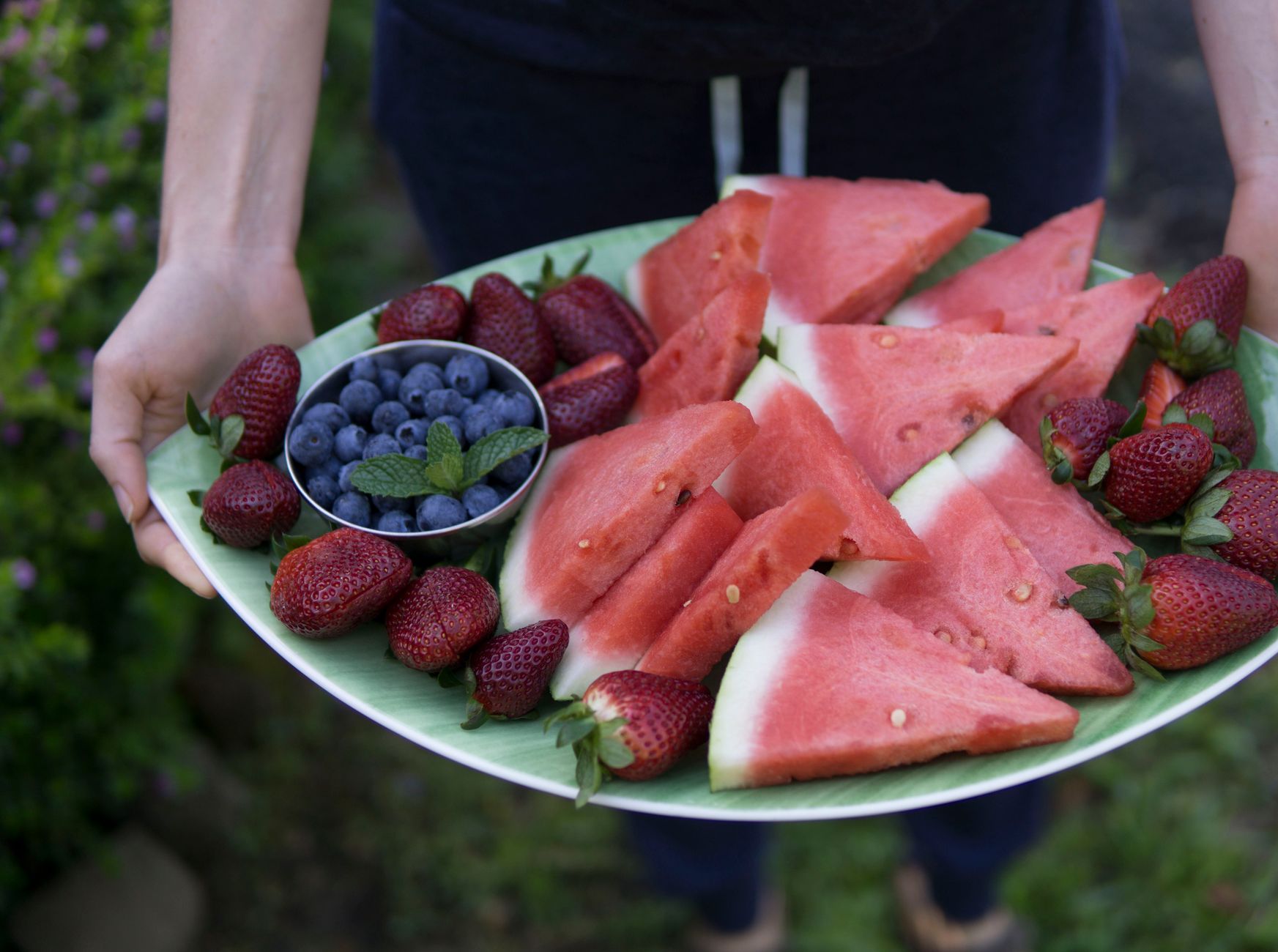
Watermelon is a beloved summer fruit known for its refreshing flavor and high water content. However, many people are surprised to learn that watermelon is classified botanically as a berry. This article explores the fascinating world of watermelon as a berry, including its characteristics, uses, serving ideas, and nutritional benefits.
Understanding the classification of watermelon is essential for appreciating its unique qualities and culinary versatility. Whether you’re looking to incorporate watermelon into your meals, snacks, or beverages, this guide will provide you with plenty of practical insights and delicious serving suggestions.
Why Is Watermelon Considered a Berry?
Watermelon is classified as a berry due to its botanical characteristics. In botanical terms, a berry is a simple fruit with seeds and pulp produced from the ovary of a single flower. Watermelons fit this definition as they develop from the ovary of the female flower, contain multiple seeds, and have a fleshy pericarp.
More specifically, watermelons belong to the Cucurbitaceae family, which also includes cucumbers, pumpkins, and squash. The specific variety of watermelon we commonly consume is known as Citrullus lanatus. Unlike other types of berries, such as strawberries or raspberries, which have small seeds on the outside, watermelon’s seeds are found within the fleshy fruit, emphasizing its classification as a true berry.
Nutrition and Health Benefits of Watermelon
Watermelon is not just a delicious treat; it also comes packed with various vitamins and nutrients. Here are some key health benefits:
- Hydration: Watermelon is made up of about 92% water, making it an excellent choice for staying hydrated in hot weather.
- Low in Calories: With only about 30 calories per 100 grams, watermelon is a light and refreshing option for snacks and desserts.
- Rich in Vitamins: It is an excellent source of vitamin C and contains significant amounts of vitamin A, both of which are essential for maintaining a healthy immune system.
- Antioxidants: Watermelon contains lycopene, a powerful antioxidant linked to various health benefits, including reduced risk of certain types of cancer.
- Amino Acids: Watermelon is a source of citrulline, an amino acid that can help improve blood flow and may reduce muscle soreness.
Choosing the Perfect Watermelon
Selecting a ripe watermelon is crucial to ensure you enjoy its sweet, juicy flavor. Here are some tips to help you choose the best watermelon:
- Look for a uniform shape: A symmetrical, round or oval shape indicates even growth and ripeness.
- Check the field spot: The field spot is the area where the watermelon rested on the ground. A creamy yellow spot indicates ripeness.
- Inspect the skin: The skin should be firm and dull, not shiny. Shiny skin can mean it’s under-ripe.
- Tap for sound: Give the watermelon a tap; a ripe watermelon will produce a deep, hollow sound.
- Weight matters: Choose a watermelon that feels heavy for its size, indicating high water content and ripeness.
Preparation Techniques for Watermelon
Watermelon can be prepared in various ways to enhance its flavor and presentation. Here are some popular methods:
1. Cutting Watermelon
- Start by washing the watermelon thoroughly under running water to remove any dirt or bacteria.
- Place the watermelon on a large cutting board. Cut the fruit in half vertically to reveal the bright red or pink pulp.
- From there, you can slice each half into wedges or cubes, depending on your preference and intended use.
2. Grilling Watermelon
Grilling watermelon adds a unique smoky flavor that pairs well with its natural sweetness. To grill watermelon:
- Cut the watermelon into thick slices, about 1 inch wide.
- Preheat your grill to medium-high heat.
- Brush the watermelon slices lightly with olive oil and season them with salt, pepper, or desired spices.
- Place the watermelon slices on the grill for about 2-3 minutes on each side until grill marks appear. Remove from heat.
3. Blending Watermelon
Blending watermelon is a great way to create refreshing drinks or smoothies. To blend:
- Cut the watermelon into chunks, removing any seeds as necessary.
- Add the chunks to a blender, and blend until smooth.
- You can strain the mixture for juice or use it as is for smoothies.
Delicious Serving Ideas for Watermelon
Watermelon can be enjoyed in numerous ways. Here are some creative serving ideas:
1. Watermelon Salad
A watermelon salad is a refreshing side dish that pairs well with grilled meats and seafood. Here’s a quick way to make it:
- Ingredients:
- 4 cups of watermelon, cubed
- 1 cup of feta cheese, crumbled
- ½ cup of fresh mint leaves, chopped
- Juice of 1 lime
- Salt and pepper to taste
- In a large bowl, combine the watermelon, feta, mint, and lime juice.
- Toss gently to mix, then season with salt and pepper to taste.
- Serve chilled for a refreshing side salad.
2. Watermelon Smoothie
A watermelon smoothie makes for a healthy breakfast or snack. Here’s how to make it:
- Ingredients:
- 2 cups of watermelon, cubed
- 1 banana
- ½ cup of Greek yogurt
- 1 tablespoon of honey (optional)
- Ice cubes (optional)
- In a blender, add watermelon cubes, banana, Greek yogurt, and honey (if using).
- Blend until smooth, adding ice cubes for a thicker consistency if desired.
- Pour into glasses and enjoy immediately.
3. Watermelon Slushie
A watermelon slushie is a perfect treat to beat the summer heat. To make this cool beverage:
- Ingredients:
- 4 cups of watermelon, frozen
- 1 cup of cold water
- Juice of 1 lime (optional)
- In a blender, add the frozen watermelon, cold water, and lime juice.
- Blend until slushy consistency is achieved.
- Serve immediately in chilled glasses.
Common Mistakes to Avoid When Using Watermelon
To ensure you fully enjoy watermelon, here are some common mistakes to avoid:
- Picking an unripe watermelon: Failing to select a ripe watermelon can lead to disappointment with subpar taste and texture.
- Overcomplicating preparation: The natural flavor of watermelon is delicious on its own, so don’t feel the need to over-season or overcomplicate it.
- Ignoring food safety: Always wash the exterior of the watermelon before cutting it to prevent any bacteria from getting into the flesh.
Storage Tips for Watermelon
Proper storage extends the shelf life of watermelon and maintains its quality:
- Whole Watermelon: A whole, uncut watermelon can be stored at room temperature for about a week. Keep it in a cool, shaded area.
- Cut Watermelon: Wrap cut pieces of watermelon in plastic wrap or store them in an airtight container in the refrigerator for 3-4 days.
- Freezing Watermelon: Watermelon can be frozen for later use. Cut it into chunks, spread them out on a baking sheet to freeze individually, then transfer to a freezer-safe container.
Exploring Watermelon Variations
Watermelon comes in various types and varieties that offer different flavors and textures. Here are a few notable examples:
- Seedless Watermelon: These are popular for their convenience, as they don’t contain edible seeds.
- Picnic Watermelon: Larger and heavier, these varieties are great for parties and picnics as they yield more flesh.
- Mini Watermelon: These smaller versions are ideal for personal servings or small gatherings.
- Yellow Watermelon: An interesting variety with a yellow hue, this type is slightly sweeter than the traditional red watermelon.
Conclusion
Watermelon is an extraordinary fruit that is not only a botanical berry but also offers numerous culinary applications and health benefits. Its hydrating, sweet, and refreshing qualities make it a summertime staple suitable for various dishes and beverages.
To incorporate this delightful berry into your kitchen, consider trying the watermelon salad, smoothie, or slushie mentioned above. These dishes are simple to prepare and showcase the fruit’s unique flavor. Interested in exploring more about watermelon storage or recipes? Be sure to check out our guides on freezing watermelon and making chia pudding with coconut milk for even more culinary inspiration.