
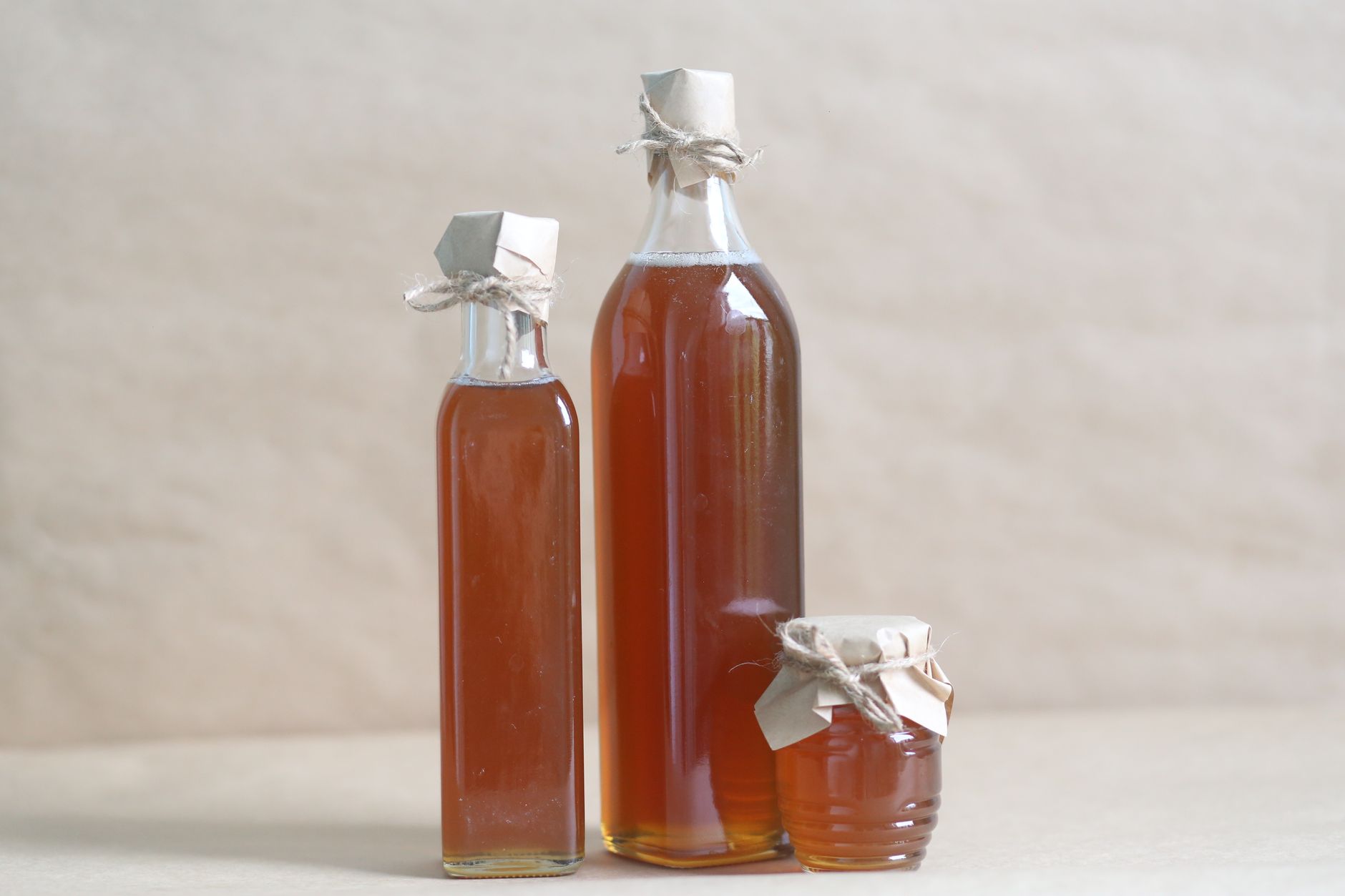
Homemade syrup is a delightful addition to pancakes, waffles, and various desserts. While making syrup at home allows you to control the sweetness and flavor, it also raises questions about storage and shelf life. Understanding how long homemade syrup lasts and how to store it properly ensures you enjoy its delightful taste without compromising safety.
This article explores the types of homemade syrup, their storage and safety tips, and how long you can expect them to last. Whether you are making simple syrup, fruit-flavored syrup, or caramel syrup, knowledge about their longevity can help you utilize them effectively in your kitchen.
How Long Does Homemade Syrup Last?
Homemade syrup typically lasts about one month when stored properly in the refrigerator. However, the duration may vary based on the ingredients used and whether any preservatives are included. Proper storage techniques can help maximize its shelf life, ensuring that your syrup remains safe and delicious.
Types of Homemade Syrups
There are several types of homemade syrups, each with different ingredients and uses. Some of the most common types include:
- Simple Syrup: A mixture of sugar and water, typically in equal parts. It is often used in cocktails, iced tea, and coffee.
- Fruit Syrups: Made by cooking fruits with sugar and water, flavored with extracts if desired. They can enhance pancakes, ice creams, and cocktails.
- Caramel Syrup: A decadent syrup created by melting sugar until it turns golden brown, mixed with butter and cream for a rich flavor.
- Maple Syrup Substitute: A combination of brown sugar, corn syrup, and flavorings that mimic maple syrup.
Ingredients and Their Impact on Shelf Life
The ingredients in your homemade syrup significantly affect its longevity. Here’s a breakdown of common ingredients and their implications:
Sugar
Sugar acts as a preservative, helping to inhibit bacterial growth. Higher sugar concentrations generally lead to a longer shelf life. Simple syrups made with more sugar will last longer than those made with less.
Water
Water dilutes the sugar and can introduce bacteria if not stored properly. Always use clean, filtered water to minimize the risk of introducing contaminants.
Fruit
Fruit-based syrups contain natural sugars but also introduce moisture, which can decrease shelf life. Consider using fresh fruits immediately after making the syrup and refrigerating it promptly.
Acids
Some syrups incorporate acids like lemon juice for flavor. These acids can also act as preservatives, helping to extend shelf life. However, syrups with added acid may have a shorter overall life due to the perishable nature of other ingredients.
Storage Tips to Maximize Shelf Life
Proper storage is essential to prolong the life of your homemade syrup. Here are practical tips:
- Refrigeration: Always store homemade syrup in an airtight glass container in the refrigerator. The cold temperature slows down bacterial growth and preserves flavor.
- Containers: Use sterilized glass jars or bottles to store syrup. Plastic containers may trap moisture and lead to faster spoilage.
- Labeling: Always label your syrup with the date it was made. This practice helps you track its freshness while preventing accidental consumption beyond its safe consumption date.
- Freezing: For longer storage, consider freezing syrup in ice cube trays. Once frozen, transfer the cubes to airtight freezer bags. This method allows you to thaw small portions as needed.
Signs of Spoilage
While homemade syrup can last quite a while, you should always check for spoilage before use. Here are common signs that syrup may no longer be safe to eat:
- Off Smells: If the syrup produces an unusual oder, it is best to discard it.
- Change in Texture: A significant change in texture (such as separation or cloudiness) can indicate spoilage.
- Mold Growth: If you notice any mold on the surface of the syrup, do not attempt to salvage it.
- Unusual Flavor: A sour or off-flavor can signal spoilage—when in doubt, throw it out.
Making Different Types of Syrup at Home
Now that we know about longevity and storage, let’s explore how different types of syrups are made at home along with some practical tips for preparing and preserving them.
Simple Syrup Recipe
Simple syrup is versatile and easy to prepare. It can be used in beverages like iced tea or cocktail mixers.
- Ingredients:
- 1 cup granulated sugar
- 1 cup water
Method:
- In a medium saucepan, combine sugar and water.
- Heat over medium heat, stirring until the sugar is completely dissolved.
- Remove from heat and allow it to cool.
- Transfer to a sterilized bottle and refrigerate.
Fruit Syrup Recipe
Fruit syrups can be customized with your favorite fruits.
- Ingredients:
- 2 cups of fresh or frozen fruit (e.g., strawberries, blueberries)
- 1 cup sugar
- 1 cup water
Method:
- In a medium saucepan, combine fruit, sugar, and water.
- Bring to a simmer over medium heat, stirring until the sugar dissolves.
- Let it simmer for about 10–15 minutes until the fruit breaks down and the syrup thickens.
- Strain the mixture through a fine mesh sieve to remove solids, then transfer to a sterilized container and refrigerate.
Caramel Syrup Recipe
Caramel syrup adds a decadent touch and is perfect for ice cream and desserts.
- Ingredients:
- 1 cup granulated sugar
- 1/4 cup unsalted butter
- 1/2 cup heavy cream
Method:
- In a medium saucepan, heat sugar over medium heat, stirring constantly until it melts and turns a golden brown color.
- Remove from heat and add butter, stirring until melted.
- Slowly add heavy cream while stirring to avoid splattering.
- Let it cool completely before storing in a sterilized container in the refrigerator.
Common Mistakes When Making Syrup
While making syrup can be straightforward, there are some common pitfalls to avoid:
- Overcooking: Cooking sugar too long can lead to burnt flavors or an undesirable consistency. Keep an eye on sugar as it cooks and remove it from heat promptly.
- Not Using Clean Equipment: Ensure all equipment is clean to prevent bacteria from spoiling the syrup. Sterilize jars or containers before use.
- Skipping the Cooling Step: Allow syrup to cool before bottling. Bottling hot syrup can cause condensation in the container, leading to spoilage.
Using Up Homemade Syrup
Now that you have your delicious syrup, here are some creative ways to use it up before it spoils:
- Add syrup to tea or coffee for added sweetness.
- Drizzle over yogurt or oatmeal for extra flavor.
- Use as a topping for pancakes, waffles, or French toast.
- Incorporate into cocktails and mocktails for a unique twist.
- Use syrup in salad dressings or marinades for an added layer of flavor.
Conclusion
Homemade syrups offer versatility and delightful flavors to your dishes, but understanding their shelf life is crucial for safe enjoyment. Generally, homemade syrup lasts about a month in the fridge, provided it’s stored correctly. Keep an eye on freshness signs, and make use of your delicious syrup quickly to avoid waste.
For more syrup-making inspiration, check out the vanilla simple syrup recipe or learn to create a flavorful honey syrup. Explore new ways to sweeten your dishes with these wonderful homemade syrups.