
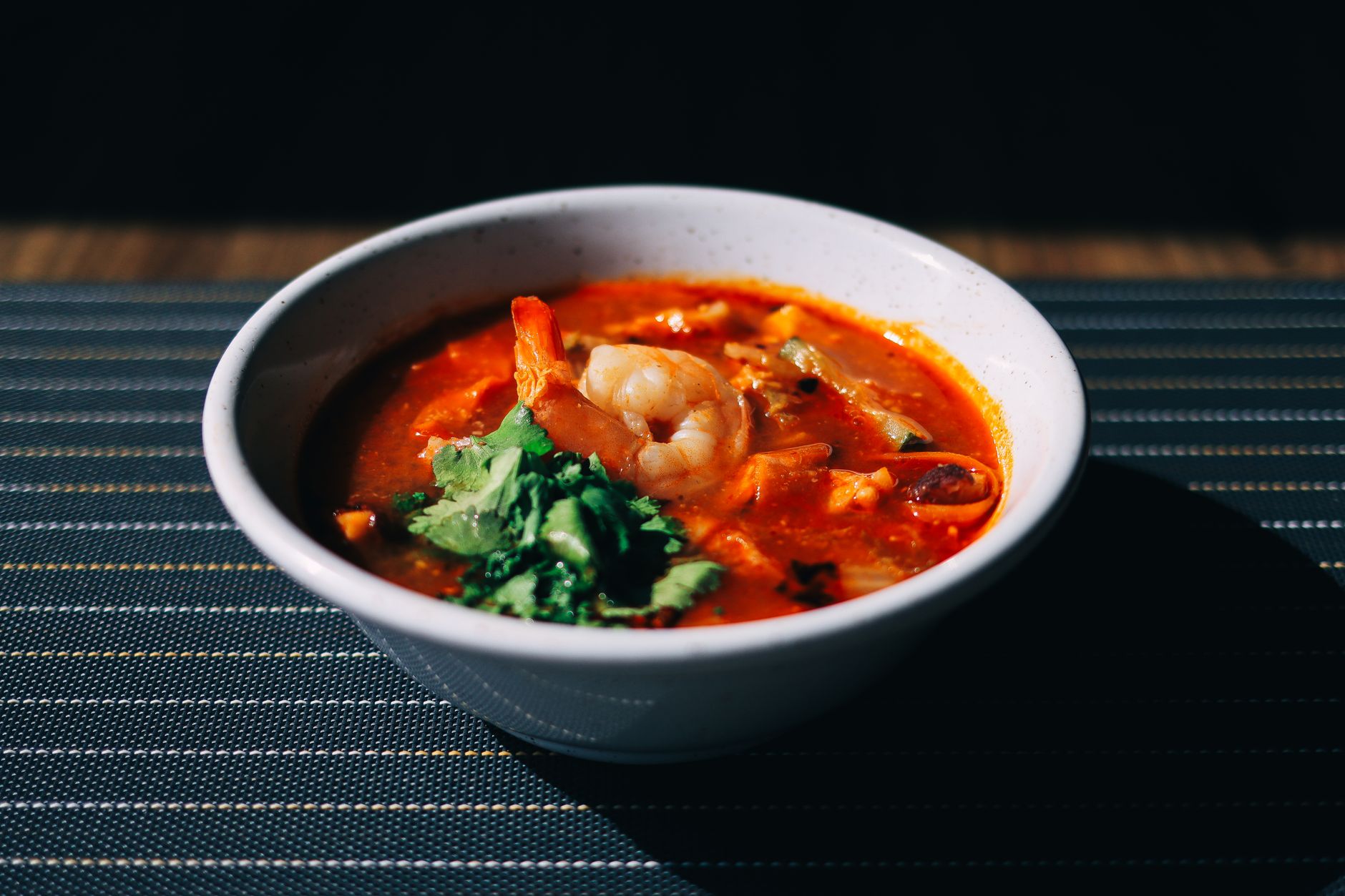
Gumbo, a dish steeped in rich history and diverse flavors, originates from Louisiana and showcases a delightful blend of ingredients that come together in a hearty stew. It typically features a robust base of vegetables, seasoned meats or seafood, and is thickened with a unique roux. Understanding how long it takes to cook gumbo is key to getting that perfect texture and flavor.
The cooking time for gumbo can vary significantly based on the methods, ingredients, and the desired thickness. From simmering the ingredients to achieving the ideal level of doneness, this guide will cover everything you need to know about timing your gumbo just right, alongside tips for perfecting this iconic dish.
How Long Does Gumbo Take to Cook?
The total time to cook gumbo generally ranges between 1.5 to 3 hours. This timeframe includes preparation, making the roux, cooking, and simmering the gumbo to blend the flavors effectively. However, the exact timing can be influenced by factors such as the type of meat or seafood used, whether you’re cooking from scratch or using pre-cooked ingredients, and the method of cooking employed.
Understanding Gumbo Ingredients
Before diving into cooking times, it’s essential to familiarize yourself with the key ingredients commonly found in gumbo:
- Roux: A mixture of flour and fat, cooked together until a desired color is achieved; it’s the backbone of gumbo.
- Vegetables: The “holy trinity,” consisting of onions, bell peppers, and celery, along with garlic and other options like okra or tomatoes.
- Proteins: Common choices include chicken, sausage, shrimp, or crab. The specific protein will influence cooking times.
- Stock: Chicken or seafood stock is often used as the base, enhancing flavor depth.
- Seasonings: Cajun or Creole seasoning, bay leaves, salt, and pepper for added flavor.
Preparation Time
Preparing gumbo involves several steps that contribute to its overall cooking time. Preparation may take 30 to 60 minutes, depending on your familiarity with chopping vegetables, measuring ingredients, and making the roux.
Key Preparation Steps
- Gather your ingredients and equipment: A heavy-bottomed pot or Dutch oven works best.
- Chop the vegetables—onions, peppers, celery—finely.
- If using proteins that require cooking, like sausage or chicken, ensure they are prepped accordingly.
- Measure out seasonings and stock.
The Roux: The Heart of Gumbo
Making the roux is a crucial step that can take 20 to 40 minutes, depending on the desired color. A darker roux adds a depth of flavor–the longer it cooks, the richer it becomes. However, care must be taken as it can easily burn:
- Light Roux: Cook for about 10-15 minutes until it reaches a blonde color, perfect for lighter gumbos.
- Medium Roux: Continue cooking for 20-25 minutes until it turns a caramel brown, often used for standard gumbo.
- Dark Roux: Cook up to 30-40 minutes or longer until it achieves a deep chocolate color, used for more robust variations.
Cooking the Gumbo
Once the roux is ready, it’s time to add the trinity of vegetables and the rest of the ingredients. The actual cooking process usually takes about 30 minutes to 2 hours, depending on the proteins involved:
Various Cooking Times
- Chicken and Sausage Gumbo: Simmer 1-1.5 hours after adding stock.
- Shrimp Gumbo: Cook for about 30-45 minutes; add shrimp towards the end to avoid overcooking.
- Crab Gumbo: Typically simmers for about 1-2 hours; add crab late in the cooking process.
How to Tell When Gumbo is Done
Gumbo reaches its peak when all ingredients are tender and flavors have melded nicely. Here are key indicators of doneness:
- The proteins should be cooked through (check chicken with a meat thermometer to ensure it reaches 165°F).
- The vegetables should be tender but not mushy.
- The flavors should be well-rounded; tasting for seasoning balance is recommended.
Common Mistakes and Troubleshooting
When cooking gumbo, there are several common mistakes to watch out for:
- Burning the Roux: If your roux burns, it can affect the entire dish. If burned, it’s best to start over.
- Underseasoning: Gumbo relies heavily on spices and seasoning; taste as you go to keep flavors balanced.
- Using Cold Stock: Always use warm stock when adding it to the hot roux mixture to avoid clumping and cooking inconsistencies.
Serving Suggestions and Sides
Gumbo is often served with cooked rice or potato salad on the side. An essential finishing touch includes a sprinkle of chopped green onions or parsley for color and freshness.
Consider serving your gumbo with:
- Crusty French bread for dipping.
- Hot sauce for those who enjoy a bit of heat.
- Pickled vegetables for a tangy side pairing.
Making Gumbo Ahead of Time
Gumbo is often said to taste even better the next day as the flavors continue to develop. If preparing in advance:
- Cool gumbo completely before refrigerating.
- Store in an airtight container for up to three days in the refrigerator or freeze for future meals.
Reheating Tips
When reheating gumbo, do so gently on the stove over low heat. If frozen, allow it to thaw in the refrigerator overnight before reheating. Adding a bit of stock may be necessary to restore the original consistency.
Conclusion
Cooking gumbo requires care, patience, and attention to detail, but the end result is a comforting and flavorful dish that can warm the soul. By understanding the time frames involved with preparing and cooking gumbo, you can ensure that you bring out the best in this well-loved dish. For those eager to explore gumbo further, consider different variations or check out recipes like gumbo greens for a tasty side dish.
Explore related recipes, cooking tips, or food guides to enhance your culinary experience. You might be interested in our Gumbo Greens Recipe for a delightful accompaniment to your gumbo.