
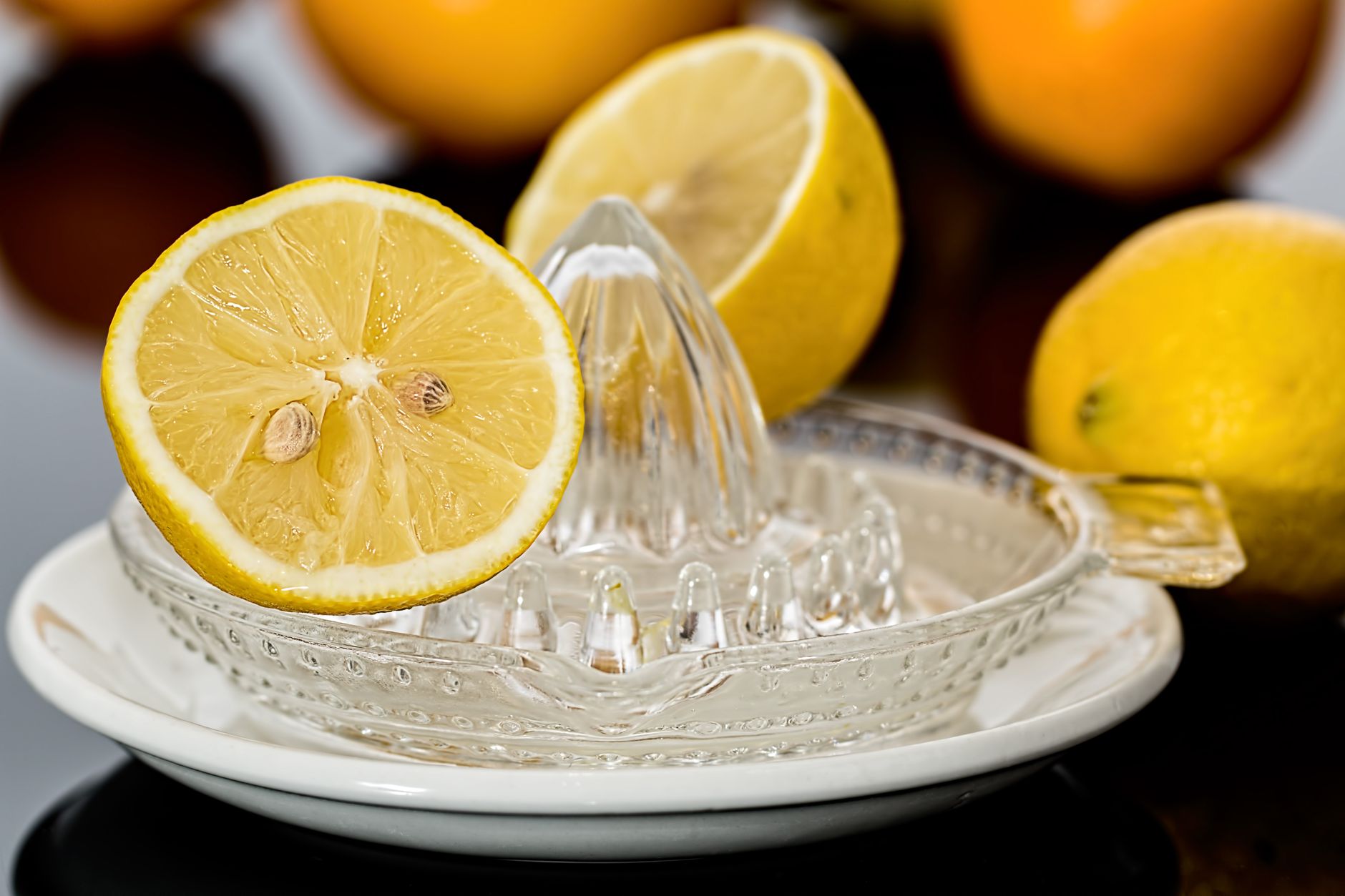
Lemon juice is a versatile ingredient that enhances dishes, beverages, and desserts with its bright acidity. However, once you have freshly squeezed lemon juice, it’s essential to understand how to store it properly to maximize its freshness and flavor. This article will guide you on how long fresh lemon juice lasts in the refrigerator, along with storage tips and other useful information.
Not only will you learn the lifespan of this zesty ingredient, but you will also discover the best ways to store it, signs of spoilage, and practical uses for lemon juice in your cooking endeavors. Whether you are a baking enthusiast or a casual cook, preserving the freshness of lemon juice can elevate your dishes.
How Long Does Fresh Lemon Juice Last in the Fridge?
Fresh lemon juice can generally last in the refrigerator for about 2 to 3 days when stored in an airtight container. After this period, its flavor and freshness begin to diminish. However, if stored correctly, it may remain safe to use beyond this timeframe, though the quality may not be optimal.
Storage Tips for Fresh Lemon Juice
To ensure your fresh lemon juice maintains its quality, follow these storage tips:
- Use Airtight Containers: Store lemon juice in glass or plastic containers that can be sealed tightly to prevent air exposure.
- Keep It Chilled: Always store lemon juice in the refrigerator, ideally at a temperature of 32°F to 40°F (0°C to 4°C).
- Consider Freezing: For longer storage, consider freezing lemon juice in ice cube trays. Once frozen, transfer the cubes to a resealable plastic bag. They can last up to 6 months in the freezer.
Signs of Spoilage in Fresh Lemon Juice
Recognizing the signs of spoilage can help you decide when to discard lemon juice:
- Off Smell: Fresh lemon juice should have a bright, citrusy aroma. A sour or fermented smell indicates spoilage.
- Discoloration: If the juice turns brownish or cloudy, it’s a sign that it may not be safe to consume.
- Presence of Sediment: If you notice any sediment forming at the bottom of the container, it’s best to toss the juice.
How to Squeeze Fresh Lemon Juice
Getting the most juice out of your lemons can enhance your culinary creations. Here’s a simple method to maximize your yield:
- Choose Ripe Lemons: Look for lemons that are firm and heavy for their size. This indicates juiciness.
- Roll the Lemon: Before cutting, roll the lemon on a countertop while applying gentle pressure. This helps to break down the cells and release more juice.
- Cut the Lemon: Slice the lemon in half crosswise.
- Use a Juicer or Reamer: Utilize a manual juicer, reamer, or simply squeeze the lemon with your hand to extract the juice.
- Strain the Juice: If desired, strain the juice through a fine mesh sieve to remove seeds and pulp.
Using Fresh Lemon Juice in Your Cooking
Fresh lemon juice brings brightness and acidity to various culinary applications. Here are some common uses:
- Salad Dressings: Fresh lemon juice can serve as the acidic component in salad dressings, enhancing flavors and providing zest.
- Marinades: Incorporate lemon juice in marinades for meats and vegetables to tenderize and add a delicious tang.
- Baking: Use lemon juice in baked goods like cakes, muffins, or cookies, balancing sweetness with acidity.
- Drinks: Fresh lemon juice can be used in cocktails, flavored water, and iced teas to provide a refreshing lift.
Can You Substitute Bottled Lemon Juice for Fresh Lemon Juice?
Bottled lemon juice offers convenience, but its flavor is often less vibrant than fresh lemon juice. If you need to substitute bottled lemon juice for fresh, consider the following:
- Flavor Impact: Bottled lemon juice contains preservatives, which can alter the taste of your dish.
- Quantity: Generally, you can use the same amount of bottled lemon juice as fresh. However, adjust to taste as needed.
- Standardization: Bottled lemon juice can have a more consistent acidity level, which may affect recipes that rely on precise balance.
Creative Ways to Use Leftover Lemon Juice
If you have leftover lemon juice, consider these creative applications to minimize waste:
- Cleaning Agent: Lemon juice serves as a natural cleaner due to its acidity. Use it to cut through grease and eliminate odors.
- Preserving Foods: Lemon juice can help prevent browning in fruits such as apples and avocados. Toss them in lemon juice to maintain freshness.
- Lemonade: Combine leftover lemon juice with water and sugar for a refreshing drink.
- Low-Calorie Flavor Enhancer: Use lemon juice to add flavor to bland dishes without adding extra calories.
How to Freeze Fresh Lemon Juice
If you find yourself with more lemon juice than you can use within a few days, freezing it is an excellent option. Here’s how to do it effectively:
- Juice the Lemons: Squeeze the lemons to extract the juice, just as detailed earlier.
- Use Ice Cube Trays: Pour the fresh lemon juice into ice cube trays, filling each compartment but leaving a little space at the top for expansion.
- Freeze: Place the trays in the freezer and freeze until solid, usually about 2 to 4 hours.
- Store in a Bag: Once frozen, transfer the lemon juice cubes to a resealable plastic freezer bag, writing the date on the bag to keep track of freshness.
- Use Within 6 Months: For best quality, use the frozen lemon juice cubes within 6 months.
Conclusion
Understanding how to store fresh lemon juice properly is vital for maintaining its vibrant flavor and avoiding waste. With a lifespan of 2 to 3 days in the refrigerator, incorporating storage tips can enhance its usability. Should you accumulate excess lemon juice, freezing it provides an excellent long-term option.
For more culinary inspiration, explore related recipes such as lemon pepper seasoning and some delightful lemon dump cake ideas that can incorporate your fresh lemon juice.