
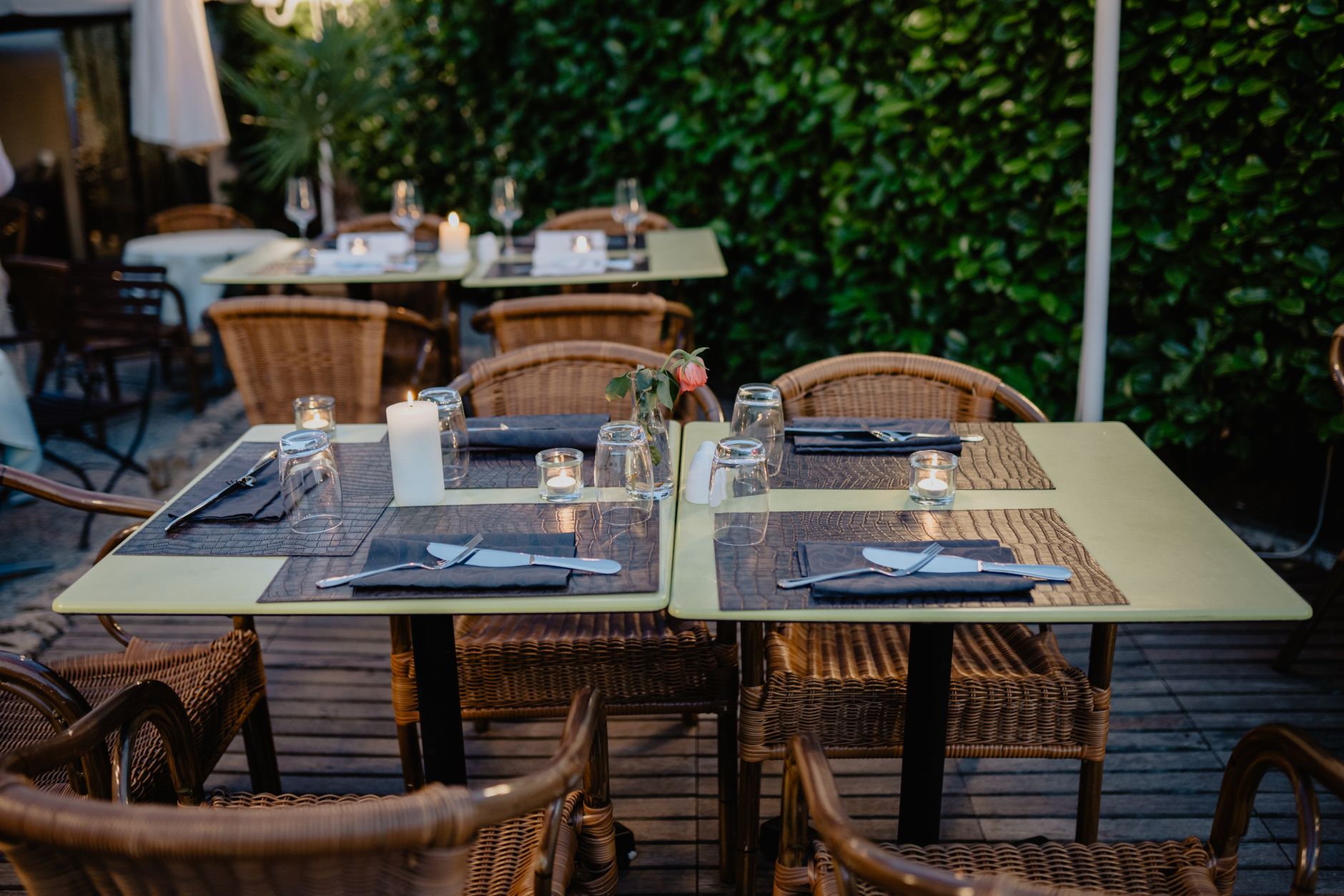
Restaurants have long been a staple of social life, serving not only food but also a communal space for dining and gathering. They range from casual cafes to luxurious fine dining establishments, showcasing various cuisines and styles. Understanding what restaurants are—along with their functions, ingredients, tastes, and culinary uses—can enrich your dining experiences and cooking endeavors.
This article explores the multifaceted world of restaurants, diving into their history, culinary styles, ingredients, tastes, and how they cater to diverse preferences. Whether you seek to replicate restaurant dishes at home or simply want to understand the dining experience better, this guide will serve you well.
What Are Restaurants?
Restaurants are businesses that prepare and serve food and beverages to customers. They vary greatly in menu style, preparation methods, and service types—ranging from fast food and casual dining to gourmet establishments. Beyond just serving meals, restaurants foster social interactions and cultural exchanges, making them hubs of community life.
The History of Restaurants
The concept of restaurants dates back to ancient civilizations, where food vendors sold cooked dishes to the public. However, the modern restaurant as we know it began to take shape in 18th-century France, where establishments offered a more formal dining experience, complete with menus and table service. Over the centuries, restaurants have evolved, adapting to regional ingredients, customs, and culinary trends.
Types of Restaurants
Restaurants come in various formats, each offering unique dining experiences. Here are some common types:
- Fast Food: Quick, affordable meals often served from a counter or drive-thru.
- Casual Dining: A relaxed atmosphere with moderately priced meals, often featuring full-service waitstaff.
- Fine Dining: Upscale restaurants providing high-quality ingredients, impeccable service, and a refined atmosphere.
- Cafes: Informal establishments known for coffee, pastries, and light meals.
- Buffets: Self-service dining where customers pay a fixed price for unlimited food choices.
- Food Trucks: Mobile kitchens offering a variety of cuisines on the go.
- Bistros and Brasseries: Cozy establishments serving simple, hearty meals, often with a focus on local cuisine.
Restaurants and Culinary Styles
Each restaurant type often emphasizes a particular culinary style. Here are some popular culinary styles you might encounter:
- Italian: Characterized by pasta, pizza, and regional meats, frequently featuring fresh ingredients like tomatoes, cheese, and olive oil.
- French: Known for its techniques and emphasis on presentation, ingredients might include rich sauces, pastries, and gourmet meats.
- Asian: Encompassing many cultures, Asian cuisine includes Chinese, Japanese, Thai, and Indian influences, using ingredients like rice, noodles, seafood, and spices.
- Mexican: Celebrated for vibrant flavors and ingredients such as corn, beans, chilies, and avocados, served in dishes like tacos and enchiladas.
- American: Diverse and regional, American cuisine includes everything from barbecue and burgers to soul food and New England clam chowder.
Key Ingredients in Restaurant Dishes
The quality and type of ingredients used are critical to the flavors and presentation of restaurant dishes. Here are some essential types:
- Produce: Fresh vegetables and fruits form the backbone of many dishes, providing flavor, texture, and nutrition.
- Meats: Proteins like chicken, beef, pork, and seafood are prepared using various methods, from grilling to braising.
- Grains: Staples such as rice, pasta, and bread serve as bases or side dishes that complement main courses.
- Dairy: Ingredients like cheese, milk, and butter enhance flavors and contribute to the overall texture of dishes.
- Herbs and Spices: Flavoring agents that elevate dishes, adding aroma and complexity.
The Taste Experience at Restaurants
The dining experience at a restaurant is heavily influenced by taste, which can be broken down into several components:
- Flavor: The overall impression a dish leaves, created by a combination of taste (sweet, sour, salty, bitter, umami) and aroma.
- Texture: The physical sensation of food in the mouth, such as creaminess, crunchiness, or tenderness.
- Presentation: Visual elements that enhance the appeal of a dish, which can influence perceived taste.
- Temperature: The ideal serving temperature of food—hot, warm, or cold—can greatly affect the overall experience.
- Seasonality: Dishes may reflect seasonal ingredients, enhancing freshness and flavor profiles.
Culinary Uses of Restaurant Dishes
Understanding the culinary uses of restaurant dishes can enrich your cooking at home. Here are some common techniques and applications:
- Grilling: Imparts smoky flavors and charred textures, often seen in meats and vegetables.
- Sautéing: Quick cooking method using a small amount of oil, excellent for preserving the texture and flavor of vegetables and proteins.
- Baking: Used for a variety of dishes, including bread, pastries, and casseroles, highlighting the importance of temperature and timing.
- Poaching: A gentle cooking method ideal for eggs and fish, enhancing tenderness without overwhelming flavors.
- Steaming: A health-conscious method that preserves nutrients and flavors in vegetables and seafood.
Common Ingredients in Popular Restaurant Dishes
To replicate the taste of restaurant dishes, it’s essential to understand their key ingredients. Here’s a closer look at some popular dishes and their typical components:
Italian Pasta Dishes
Pasta dishes, such as spaghetti carbonara or fettuccine alfredo, usually require:
- Pasta (usually dried or fresh)
- Olive oil or butter
- Garlic
- Cheese (Parmesan, feta, mozzarella)
- Herbs (basil, oregano, parsley)
Asian Stir-Fry
A standard stir-fry features:
- Protein (chicken, tofu, shrimp)
- Crisp vegetables (bell peppers, broccoli, bok choy)
- Soy sauce or oyster sauce
- Ginger and garlic
- Sesame oil or vegetable oil
Mexican Tacos
Tacos are versatile and may include:
- Tortillas (corn or flour)
- Meat (beef, chicken, or beans for vegetarian options)
- Fresh vegetables (onions, cilantro, tomatoes)
- Sauces (salsa, guacamole, crema)
- Cheese (feta, cotija)
Popular Techniques for Home Cooking
Bringing restaurant flavors into your home kitchen can be easily achieved by embracing essential cooking techniques. Here are some that mimic the experiences found in restaurants:
Grilling
Grilling adds distinctive flavor and char to meats and vegetables. Preheat your grill, marinate your ingredients, and maintain medium-high heat for optimal cooking. For proteins, use a food thermometer to ensure they reach safe internal temperatures.
Sauteing
This quick method preserves flavors and textures. Heat oil in a skillet, add aromatics like garlic, then incorporate your proteins and vegetables. Stir frequently until cooked through.
Baking
Baking requires precise measurements and temperatures. Follow recipes for baked goods closely, noting oven calibrations and pans used to achieve similar results to those found in restaurants.
Steaming
For vegetables, steaming preserves nutrients while enhancing flavors. Utilize a steamer basket over boiling water for an effective cooking method that limits nutrient loss.
Challenges of Recreating Restaurant Dishes at Home
Recreating restaurant-quality dishes at home can pose challenges due to:
- Ingredient availability: Some unique ingredients may not be found at your local grocery store.
- Equipment limitations: Restaurants often use specialized equipment that home cooks might not have.
- Technique mastery: Restaurant chefs have training and experience that inform their cooking methods, which can take time to replicate.
Common Mistakes to Avoid
If you’re attempting to recreate restaurant dishes at home, consider avoiding these common pitfalls:
- Overcooking proteins, which can lead to dryness.
- Failing to season properly, which can result in bland meals.
- Ignoring proper ingredient measurements, which can alter dish balance.
- Underestimating preparation time—some dishes require advance preparation or marination.
Dining Etiquette in Restaurants
Understanding dining etiquette can enhance your restaurant experiences. Here are some basic guidelines:
- Arrive on time for reservations.
- Use polite conversation and table manners.
- Tip appropriately (typically 15-20% of the total bill).
- Be respectful to servers and staff.
Takeaway: The Future of Restaurants
As dining evolves, restaurants are embracing innovation with plant-based and sustainable options, technological enhancements like mobile ordering, and a focus on health-conscious menus. The rise of delivery services and food trucks also indicates changing consumer preferences. By staying informed and flexible, restaurants will likely continue to thrive as essential parts of our culture.
Understanding restaurants extends beyond just food; it’s about recognizing their role in society. The next time you dine or cook, consider the variety of flavors, techniques, and experiences that restaurants provide, enriching your culinary journey.
If you’re interested in exploring more about food, you might find these resources helpful: the most popular food in the world or what goes on a charcuterie board.