
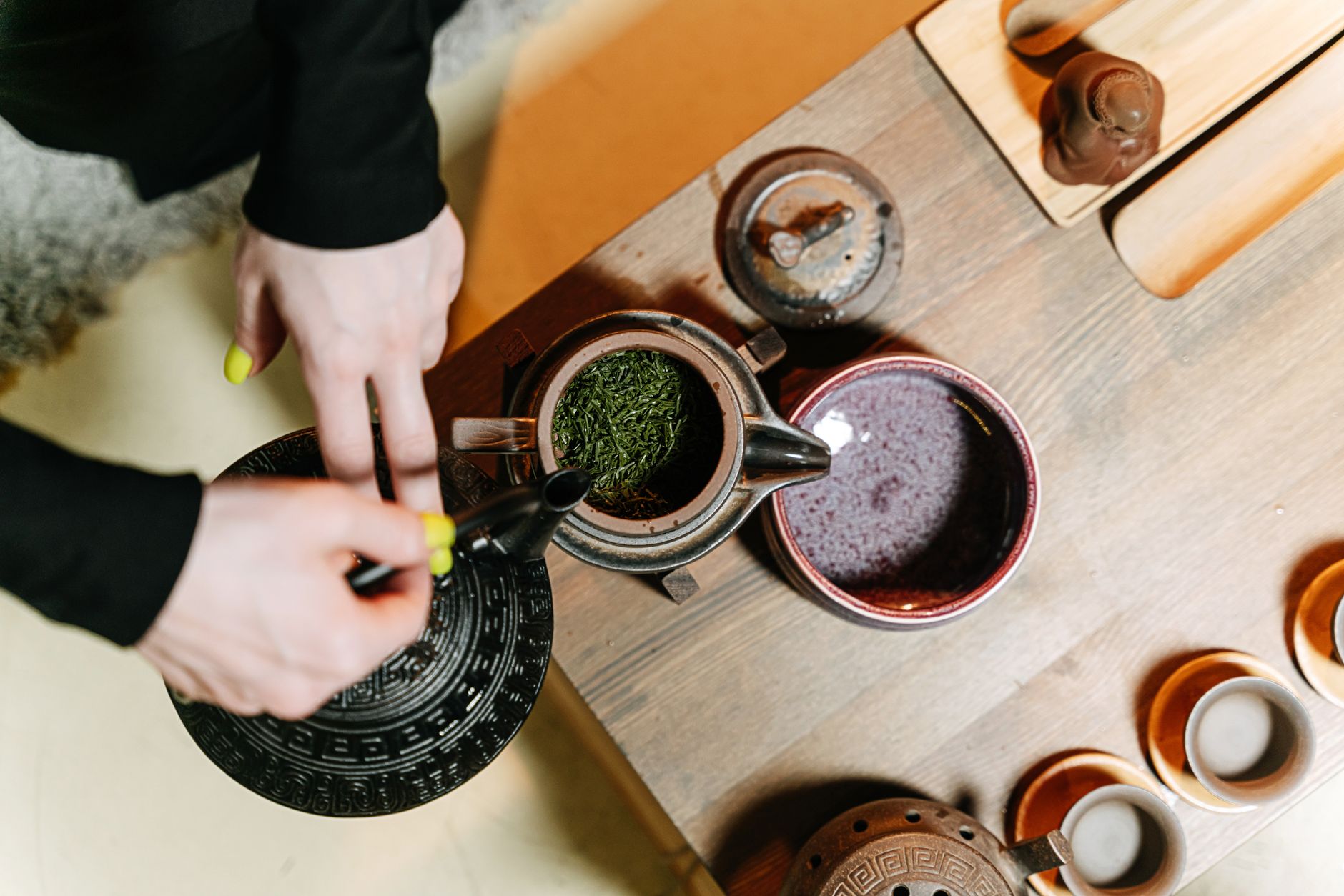
Black tea is a staple in many households, celebrated for its robust flavor and potential health benefits. The key to enjoying a great cup lies in knowing how long to steep black tea. This article delves into the optimal steeping times, provides tips for achieving the desired flavor, and helps you avoid common pitfalls.
Whether you’re a seasoned tea lover or a newcomer, understanding the nuances of steeping black tea can elevate your tea-drinking experience. From the right temperature to the ideal steeping time, every detail matters in crafting that perfect cup.
How Long Do You Steep Black Tea?
The ideal steeping time for black tea generally ranges from 3 to 5 minutes. Steeping for this duration allows the leaves to release their flavors fully while avoiding excessive bitterness or astringency. Variable factors such as the type of black tea and personal preference may influence this time.
Factors Influencing Steeping Time
While the general guideline is to steep black tea for 3 to 5 minutes, several factors can affect the ideal steeping time:
- Type of Black Tea: Different varieties, such as Assam, Darjeeling, or Earl Grey, may have specific steeping recommendations.
- Tea Quality: Higher-quality loose leaf teas typically require longer steep times to fully release their flavors compared to lower-quality tea bags.
- Water Temperature: The ideal water temperature for black tea is between 200°F to 212°F (93°C to 100°C). Inconsistent temperatures may lead to subpar steeping results.
- Personal Preference: Taste preference is subjective; some may enjoy a stronger brew, while others prefer a milder cup.
Understanding Proper Steeping Technique
Steeping black tea involves more than just time—proper technique ensures optimal flavor extraction. Here’s how to achieve that:
1. Choose Quality Tea
Start with quality black tea, whether loose leaf or bagged. Loose leaf tea generally offers more flavor and aroma compared to tea bags, which often contain dust or fannings.
2. Measure Your Tea
The standard measurement is about one teaspoon of loose leaf tea per 8-ounce cup of water. If using tea bags, one bag per cup is sufficient.
3. Heat the Water
Use fresh, filtered water, if possible. Heat it to just below boiling. Ideal temperatures for black tea fall between 200°F to 212°F. If you don’t have a thermometer, bring water to a boil, then let it cool for a few seconds before pouring over tea.
4. Steep the Tea
Add the tea leaves or tea bag to the hot water and start your timer. Stick to the recommended steeping time, adjusting slightly based on taste.
5. Strain and Serve
After the timer goes off, promptly strain the tea leaves using a tea strainer or remove the tea bag to prevent over-steeping. Over-steeping can lead to bitterness.
Tasting Notes: Understanding Doneness
Determining the doneness of black tea involves using your senses. Here are some visual and sensory cues to watch for:
Visual Cues
- The color of the tea should be rich and amber to dark brown depending on the type of black tea.
- Pay attention to the cloudiness; clear tea often indicates proper steeping, while excessive cloudiness can be a sign of over-brewing.
Aromatic Cues
Smell the tea as it steeps. A rich, robust aroma typically indicates a well-steeped cup. If the smell is overly astringent or sour, you may have steeped it too long.
Tasting Cues
Taste the tea as the steeping time progresses. The ideal flavor should be bold yet balanced. If it tastes bitter or overly strong, reduce your steeping time next time.
Common Mistakes and Troubleshooting
Many tea drinkers encounter pitfalls that can detract from the enjoyment of black tea. Here’s how to avoid them:
- Using Too Hot Water: Heating water past boiling can scorch the leaves, leading to bitterness. Always aim for the ideal temperature range.
- Over-steeping: Allowing tea to steep beyond the recommended duration results in astringent flavors. If you accidentally over-brew, consider adding milk or sweetener to counterbalance the bitterness.
- Insufficient Tea Quantity: Not using enough tea leaves can result in a weak brew. Ensure you’re using the appropriate measurement for your water volume.
- Stale Tea: Using old tea can lead to lackluster flavor. Store tea in an airtight container in a cool, dark place and use it within a reasonable timeframe.
Variations: How to Customize Your Black Tea
Once you master the basic steeping method, feel free to experiment with variations to elevate your experience. Here are some ideas:
1. Adding Milk or Cream
Popular in many cultures, adding milk can soften the astringency of black tea. Use whole milk, cream, or non-dairy alternatives based on your preference.
2. Sweeteners
Personalize your tea with sweeteners like sugar, honey, agave syrup, or stevia. Add sweeteners after steeping for the best results.
3. Spices and Flavors
Spice up your black tea by adding cinnamon, ginger, or cardamom during the steeping process. These additions can transform the flavor profile dramatically.
4. Iced Black Tea
To enjoy black tea cold, steep it double-strength (using twice the amount of tea) to counteract dilution from ice. Pour the tea over ice and add flavorings or sweeteners as desired.
Storage of Tea Leaves
Storing black tea properly ensures it stays fresh and flavorful. Follow these tips:
- Airtight Container: Keep tea leaves in an airtight container to protect them from moisture and air.
- Cool, Dark Place: Store your container in a cool, dark location—avoid direct sunlight and heat sources.
- Limit Exposure: Minimize the frequency of opening the container to maintain freshness.
Enjoying Your Cup of Black Tea
Enjoying black tea can be as simple or elaborate as you wish. Take your time to appreciate the aroma, color, and flavor. Whether alone or with friends, sharing a cup provides a delightful break in your day.
Next Steps for Black Tea Lovers
Now that you know how to steep black tea perfectly, consider exploring different varieties or brewing methods. Experiment with Earl Grey, Assam, or flavored blends. Each type offers its own unique tasting experience.
Become a tea enthusiast by further exploring sources of quality black tea and developing your palate. You can also try out chai blends for a delightful fusion of flavors.
For more insights on black tea, you can read about what black tea is or learn about how much caffeine is in chai tea.