
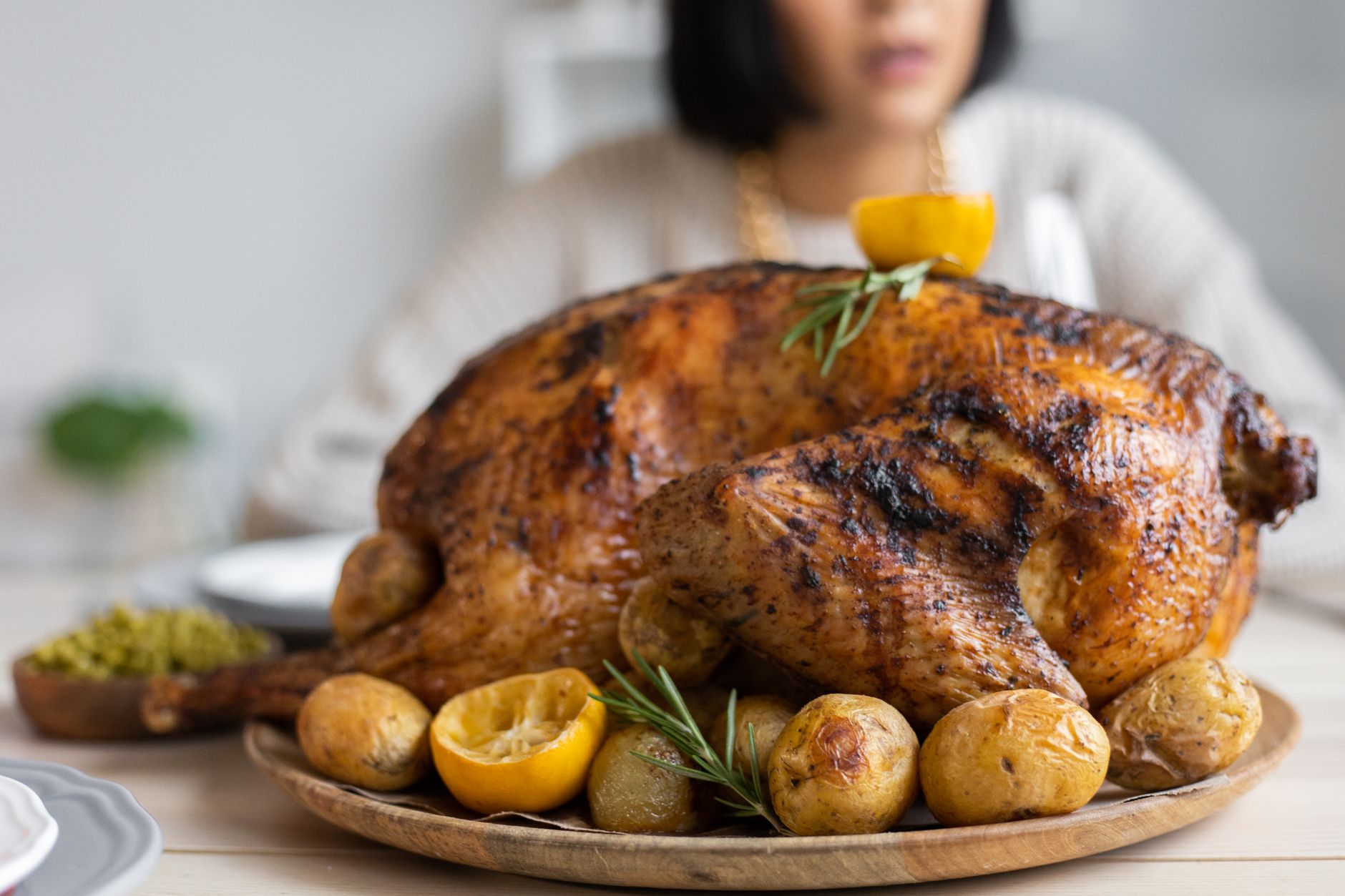
Cooking a 13-pound turkey can seem daunting, especially if you’re unsure about timing and temperature. This guide provides comprehensive information on cooking a turkey for your holiday gatherings or family meals. Whether it’s your first turkey or you’re a seasoned pro, this article has you covered with practical tips and techniques.
The cooking time for a turkey depends on several factors, including whether it’s stuffed or unstuffed, the cooking method, and the oven temperature. Understanding these variables will help you ensure a perfectly cooked turkey that’s juicy and flavorful.
How Long Do I Cook a 13 Pound Turkey?
The general rule of thumb for cooking a 13-pound turkey is to roast it in an oven set at 325°F. Cooking times can vary from about 2.75 to 3 hours for an unstuffed turkey and approximately 3 to 3.5 hours for a stuffed turkey. Always use a food thermometer to confirm the turkey has reached a safe internal temperature before serving.
Cooking Times for a 13-Pound Turkey
Here’s a more detailed breakdown of cooking times based on different methods:
- Roasting a 13-pound unstuffed turkey: 2.75 to 3 hours
- Roasting a 13-pound stuffed turkey: 3 to 3.5 hours
- Cooking in a convection oven: Reduce the time by about 25% (approx. 2 to 2.5 hours for unstuffed)
- Deep frying a 13-pound turkey: approximately 3 to 4 minutes per pound (about 39 to 52 minutes total)
Preparation Steps for Cooking a Turkey
Before you cook your turkey, you must prepare it properly. Here are the essential steps:
- Thaw the Turkey: If your turkey is frozen, it must be completely thawed in the refrigerator, which will take about 24 hours for every 4-5 pounds. For a 13-pound turkey, allow about 3 days in the refrigerator.
- Clean and Prepare: Remove the turkey from its packaging, and remove any giblets and the neck from the cavity. Rinse the turkey under cold water and pat it dry with paper towels.
- Seasoning: Rub salt and pepper or your favorite seasoning inside and outside the turkey. Consider using herbs, garlic, and butter for added flavor.
- Stuffing (Optional): If you choose to stuff your turkey, do so right before placing it in the oven. Avoid packing it too tightly to allow for proper cooking.
Essential Equipment for Cooking Turkey
Cooking a turkey requires some basic kitchen equipment:
- Roasting pan: A large, heavy-duty pan with a rack to hold the turkey.
- Meat thermometer: To ensure the turkey reaches safe internal temperatures.
- Basting brush: Optional for applying butter or broth during cooking.
- Tongs: Useful for handling the turkey, especially when removing it from the oven.
- Aluminum foil: To cover the turkey if it browns too quickly.
Doneness Tips for Turkey
To ensure your turkey is perfectly cooked, follow these doneness tips:
- The turkey is fully cooked when it reaches an internal temperature of 165°F in the thickest part of the breast and thigh.
- For stuffed turkeys, check the internal temperature in the center of the stuffing; it should also reach 165°F.
- Let the turkey rest for at least 20 to 30 minutes. This allows the juices to redistribute for a juicier result.
Common Mistakes to Avoid
Even experienced cooks can make mistakes when preparing turkey. Here are some common pitfalls:
- Not Thawing Properly: Cooking a frozen turkey will result in uneven cooking. Always allow adequate time for thawing.
- Skipping the Thermometer: Relying on cooking times alone can lead to undercooking or overcooking. Always use a thermometer.
- Not Letting It Rest: Cutting into your turkey right away can cause the juices to run out, leading to dry meat.
Flavor Variations and Seasoning Options
While salt and pepper are classic seasoning options, there are many ways to enhance the flavor of your turkey:
- Herb Butter: Mix softened butter with fresh herbs such as rosemary, thyme, and sage, and rub it under and over the skin.
- Citrus: Stuff the cavity with lemon and orange slices, along with herbs for a fresh flavor.
- Brining: Consider brining for several hours or overnight in a salt-water solution to achieve juicy, flavorful meat.
Storage Tips for Turkey
If you have leftovers, proper storage is crucial:
- Store leftovers in an airtight container in the refrigerator for up to 3-4 days. Ensure the turkey cools to room temperature before refrigerating.
- For longer storage, freeze turkey meat in individual portions for up to 4 months.
- Reheat turkey leftovers in the oven at a low temperature (around 325°F) to prevent drying.
Deep Frying a 13-Pound Turkey
If you’re interested in a crispy outer layer with juicy meat, deep frying may be the method for you:
- Prepare your frying setup outdoors in a safe area, preferably on concrete.
- Heat oil in a deep fryer to 350°F.
- Fry the turkey for approximately 3 to 4 minutes per pound, so a 13-pound turkey will take about 39 to 52 minutes.
- Use a meat thermometer to check doneness, ensuring the thickest part of the turkey and the stuffing reach 165°F.
Different Cooking Methods: Advantages and Disadvantages
Choosing the right cooking method for your turkey can depend on flavor preferences, available equipment, and the time you have. Here’s a look at some common methods:
| Cooking Method | Advantages | Disadvantages |
|---|---|---|
| Roasting | Traditional flavor; easy to prepare; great for large gatherings. | Takes longer; can dry out if not monitored closely. |
| Deep Frying | Crispy skin; faster cooking time; tender meat. | Requires special equipment; safety risks if not done correctly. |
| Smoking | Rich flavor; infuses smoky aroma; moist meat. | Long cooking time; requires specialized smoker equipment. |
| Grilling | Unique flavor; outdoor cooking experience. | Requires careful temperature control; may need to cut the turkey into parts to fit. |
Serving Suggestions for Turkey
Once your turkey is cooked and rested, consider these serving suggestions:
- Slice the turkey and arrange on a platter alongside gravy and cranberry sauce.
- Serve with traditional sides like mashed potatoes, stuffing, and green bean casserole.
- Create a turkey sandwich with leftover slices, adding cranberry sauce and stuffing for a delicious lunch option.
Final Thoughts
Cooking a turkey can bring joy and deliciousness to your gatherings, and understanding how long to cook a 13-pound turkey will help ensure a successful outcome. By following these guidelines and tips, your turkey can be the star of the show. Remember to use a meat thermometer for safety and accuracy, and don’t forget to allow time for resting to achieve the juiciest results.
If you’re looking to expand your culinary skills, consider exploring more topics, such as cooking times for turkey per pound or making homemade turkey broth to complement your holiday meals.