
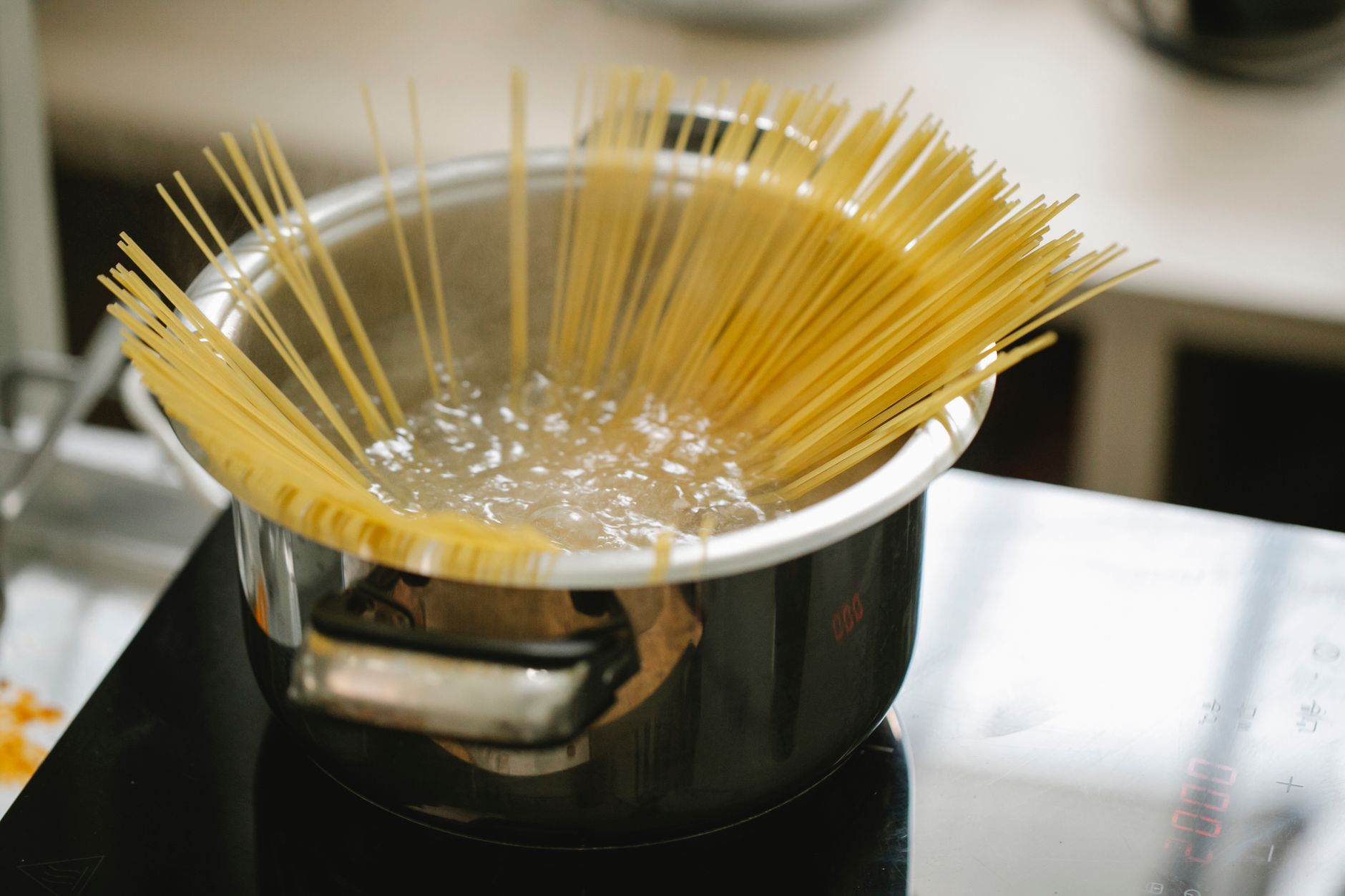
Boiling spaghetti noodles to perfection is a fundamental cooking skill that enhances numerous dishes. Whether you’re preparing a simple weeknight meal or an Italian feast, understanding the correct boiling time can significantly affect the texture and overall quality of your pasta.
This article will guide you through the intricacies of boiling spaghetti noodles, including suggested cooking times, tips for achieving the right doneness, and common pitfalls to avoid for an enjoyable meal.
How Long Do I Boil Spaghetti Noodles?
The typical boiling time for spaghetti noodles ranges from 8 to 12 minutes, depending on the thickness and brand of the pasta. To achieve the ideal al dente texture, aim for 9 to 10 minutes. Remember to taste your noodles a minute or two before the package instructions indicate to ensure they reach your desired firmness.
Understanding Spaghetti Noodles
Spaghetti noodles are long, thin pasta originating from Italy, characterized by their cylindrical shape. They come in various types, including whole wheat, gluten-free, and traditional semolina pasta. Each type may require different cooking times, so it’s essential to read the cooking instructions on the package.
Ingredients
Aside from spaghetti noodles, you will need only water and salt for boiling. Here’s a simple ingredient list:
- Spaghetti noodles (usually 1 pound for four servings)
- Water (enough to fill a large pot)
- Salt (about 1 to 2 tablespoons, adjusted to taste)
Essential Equipment
Prepare the following equipment for boiling spaghetti noodles:
- A large pot (4-6 quarts)
- A colander for draining
- A long-handled spoon for stirring
- A timer or stopwatch
- A tasting spoon
How to Boil Spaghetti Noodles
Follow these steps to boil spaghetti noodles perfectly:
- Fill the pot: Fill your large pot with water, enough to allow the pasta to move freely. For every pound of spaghetti, use about 4 to 6 quarts of water.
- Add salt: Add 1 to 2 tablespoons of salt to the water. This step enhances the noodle’s flavor and improves the overall taste of your dish.
- Bring water to a boil: Place the pot on high heat and bring the water to a rolling boil, which is when bubbles are vigorously rising to the surface.
- Add spaghetti: Once boiling, add the spaghetti noodles to the pot. Stir immediately to prevent the noodles from sticking together.
- Start timing: Set your timer for 9 minutes for al dente. Adjust based on your taste or the recommended cooking time on the noodle packaging.
- Stir occasionally: Stir the noodles every couple of minutes to keep them from sticking to each other and the bottom of the pot.
- Check for doneness: A minute or two before your timer is up, taste a strand of spaghetti. It should be firm to the bite but not hard.
- Drain the noodles: Once the noodles are cooked to your liking, turn off the heat and carefully pour them into a colander to drain the water. Shake gently to remove excess water.
- Rinse minimally: If you’re serving the noodles immediately with sauce, avoid rinsing them. This helps the sauce adhere better. If you plan to use the noodles later, a splash of cold water can help stop the cooking process.
Doneness Tips for Spaghetti Noodles
Achieving the perfect doneness for spaghetti noodles is crucial for texture and flavor. Here are a few tips:
- Al Dente: This is the ideal texture for spaghetti, meaning “to the tooth.” The noodles should have a slight bite and not be mushy.
- Cooking Time Variations: Remember, thicker noodles or whole wheat pasta may require additional time to cook, while very thin spaghetti might be done sooner.
- Tasting: The best way to check for doneness is to taste. Even if the package states a cooking time, factors such as pot size and type of stove can affect how long the noodles need.
Common Mistakes When Boiling Spaghetti Noodles
A few common pitfalls can lead to poorly boiled noodles:
- Not using enough water: A pot that is too small can cause the noodles to stick together and cook unevenly.
- Skipping salt: Failing to salt the water will result in bland-tasting pasta.
- Overcooking: Leaving the noodles in boiling water for too long results in mushy pasta. Always aim for al dente.
- Not stirring: Failing to stir the noodles in the first minute can cause them to clump together.
How to Serve Spaghetti Noodles
Once your spaghetti noodles are perfectly boiled, it’s time to serve. Here are some classic ways to enjoy them:
- With Marinara Sauce: A simple tomato-based sauce enhances the flavor of the noodles and is a classic pairing.
- With Pesto: A unique twist comes from combining spaghetti with fresh basil pesto, garlic, and olive oil for a rich flavor.
- With Olive Oil and Garlic: For a quick dish, sauté minced garlic in olive oil, add cooked spaghetti, and toss with herbs.
- As a Cold Salad: Chill the cooked spaghetti to create a pasta salad tossed with vegetables and dressing.
Making Ahead and Storage
If you want to prepare spaghetti noodles ahead of time, follow these guidelines:
- Cooking Ahead: You can cook spaghetti and store it in an airtight container in the refrigerator for up to three days.
- Reheating: To reheat, add a splash of water to the noodles and microwave or sauté in a pan to warm them without drying out.
- Freezing: Frozen cooked spaghetti can be stored for up to a month. Ensure it’s properly sealed to avoid freezer burn.
Practical Substitutions
For those needing variations or alternatives, consider these options:
- Whole Wheat Pasta: This option is healthier but may require a slightly longer boiling time due to its density.
- Gluten-Free Pasta: Always follow the package instructions since cooking times can vary significantly between brands.
- Fresh Spaghetti: Fresh pasta cooks much faster often requiring only 2 to 4 minutes of boiling time.
Cultural Context: Spaghetti Around the World
Spaghetti is a staple in Italian cuisine, but its versatility has made it a beloved dish across the globe. Many cultures have added their twist, such as:
- Spaghetti Carbonara: An Italian classic featuring eggs, cheese, pancetta, and pepper.
- Spaghetti Bolognese: A robust meat sauce originally from the Bologna region of Italy, popular in various adaptations.
- Spaghetti Aglio e Olio: A simple dish with garlic sautéed in olive oil, often finished with parsley and chili flakes.
Conclusion
Boiling spaghetti noodles may seem straightforward, but mastering the technique can elevate your pasta dishes significantly. By following the outlined instructions, paying attention to the cooking time, and avoiding common mistakes, you can enjoy perfectly cooked spaghetti every time.
Explore more delicious recipes and cooking tips, such as our guide on how long to boil asparagus or the comforting Taiwanese beef noodle soup recipe.