
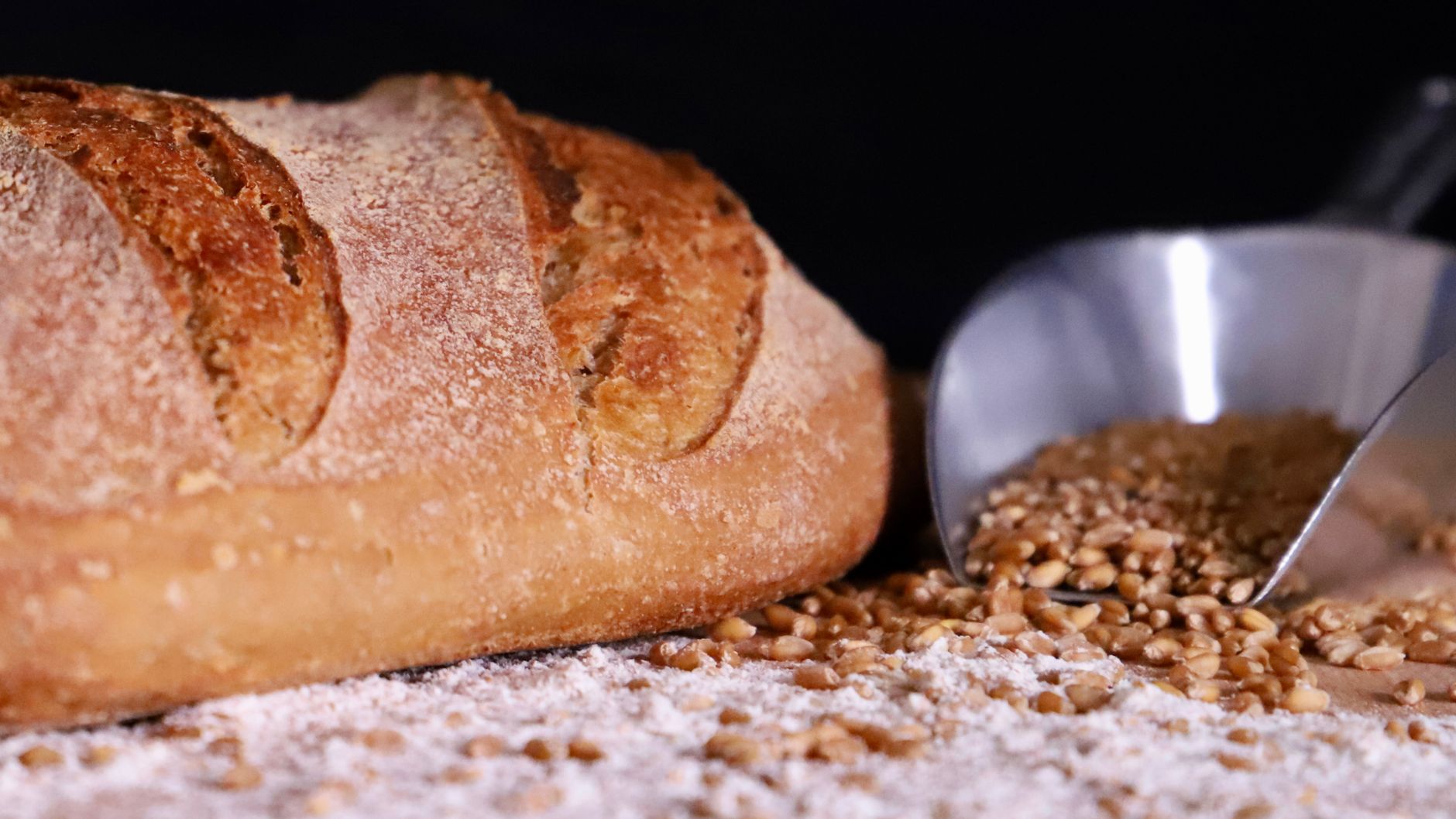
Many sourdough bread enthusiasts appreciate its unique flavor and texture, as well as the health benefits that come from the fermentation process. However, a common question arises: can sourdough bread cause constipation? Understanding its composition and how it interacts with digestion can provide clarity.
To explore this topic, we will examine the key components of sourdough bread, how they affect digestion, and whether this popular bread choice could lead to digestive issues like constipation.
Can Sourdough Bread Cause Constipation?
Sourdough bread is less likely to cause constipation compared to other bread types, primarily due to its fermentation process, which can enhance digestion. However, individual tolerances to gluten, fiber, and other ingredients must be considered, as they can vary from person to person.
Understanding Sourdough Bread: Ingredients and Fermentation
To determine if sourdough bread can affect constipation, it is essential to understand its components and the fermentation process involved in making it.
The Ingredients
- Flour: Typically made from wheat or whole grains, the type of flour used plays a critical role in fiber content.
- Water: Essential for hydration and activating the yeast and bacteria in the dough.
- Salt: Enhances flavor and controls yeast activity during fermentation.
- Sourdough starter: A mixture of flour and water containing natural yeasts and bacteria that initiates fermentation.
The Fermentation Process
Sourdough bread undergoes a two-step fermentation process. The first step involves the wild yeast in the starter consuming sugars in the flour, producing carbon dioxide and alcohol. In the second step, lactic acid bacteria ferment the sugars as well, creating lactic acid, which gives sourdough its distinctive tangy flavor.
This prolonged fermentation breaks down some of the gluten and phytic acid present in the flour, which may help with digestion. The presence of probiotics from the fermentation process can also contribute positively to gut health.
Fiber Content: A Key Factor in Digestion
One of the primary dietary components that can influence constipation is fiber. Fiber aids digestion by promoting regular bowel movements and enhancing gut health. However, not all bread types have the same fiber content.
Types of Sourdough Bread
- White Sourdough Bread: Made from refined white flour, this type generally has lower fiber content, which may not provide the same digestive benefits.
- Whole Wheat Sourdough Bread: Contains more fiber since it uses whole wheat flour, supporting better digestion and reducing the likelihood of constipation.
- Multigrain Sourdough Bread: Often made with a variety of grains and seeds, offering higher fiber content and more nutrients, which can promote digestive health.
The Gluten Factor
For individuals with gluten sensitivities or celiac disease, gluten can lead to digestive issues, including constipation. Sourdough bread’s fermentation process may lower gluten levels compared to other bread types, making it easier to digest for some. However, it remains unsuitable for those with severe gluten intolerance.
Common Causes of Constipation
Understanding other factors that contribute to constipation is crucial for evaluating the potential impact of sourdough bread.
- Low Fiber Diet: Insufficient fiber intake can lead to constipation, regardless of bread type.
- Dehydration: Inadequate fluid consumption can harden stool and slow down digestion.
- Inactivity: A sedentary lifestyle can negatively affect gut motility, leading to constipation.
- Medications: Certain medications may cause constipation as a side effect.
Practical Tips for Incorporating Sourdough Bread
To maximize the digestive benefits of sourdough bread and reduce the risk of constipation, consider the following tips:
- Choose Whole Grain Variants: Opt for whole wheat or multigrain sourdough for higher fiber content.
- Be Mindful of Portion Sizes: Overeating any bread can contribute to digestive discomfort.
- Stay Hydrated: Drink plenty of water throughout the day to support digestion.
- Incorporate Physical Activity: Regular exercise promotes gut motility and prevents constipation.
- Consider Your Overall Diet: Pair sourdough with plenty of fruits, vegetables, and other whole foods rich in fiber.
Potential Alternatives and Variations
If you find that sourdough bread does not suit your digestive system, consider alternatives that may provide similar flavors or textures while being gentler on digestion.
Gluten-Free Sourdough Options
For those with gluten intolerance, gluten-free sourdough options made with rice flour, almond flour, or other gluten-free grains can provide the sourdough experience without the negative effects of gluten.
Other Fermented Bread Options
- Rye Bread: Rye contains soluble fiber, which can aid digestion. Fermented rye sourdough options may enhance this effect.
- Sprouted Grain Bread: Contains activated grains that may improve digestibility and nutrient absorption.
Conclusion: Does Sourdough Bread Cause Constipation?
In conclusion, sourdough bread is generally less likely to cause constipation, especially when made with whole grain ingredients and consumed as part of a balanced diet. Its fermentation process enhances digestibility, and the fiber content can support gut health. However, individual tolerance to gluten and overall dietary habits play a significant role in digestive health.
To maintain regular digestion while enjoying sourdough, choose higher fiber variants, stay hydrated, and balance your meals with other fiber-rich foods. Should you experience persistent digestive issues, consult a healthcare professional for personalized advice.
Explore related recipes, cooking tips, or food guides such as our sourdough baguette recipe and einkorn sourdough bread recipe for more ideas to enjoy healthy baking.