
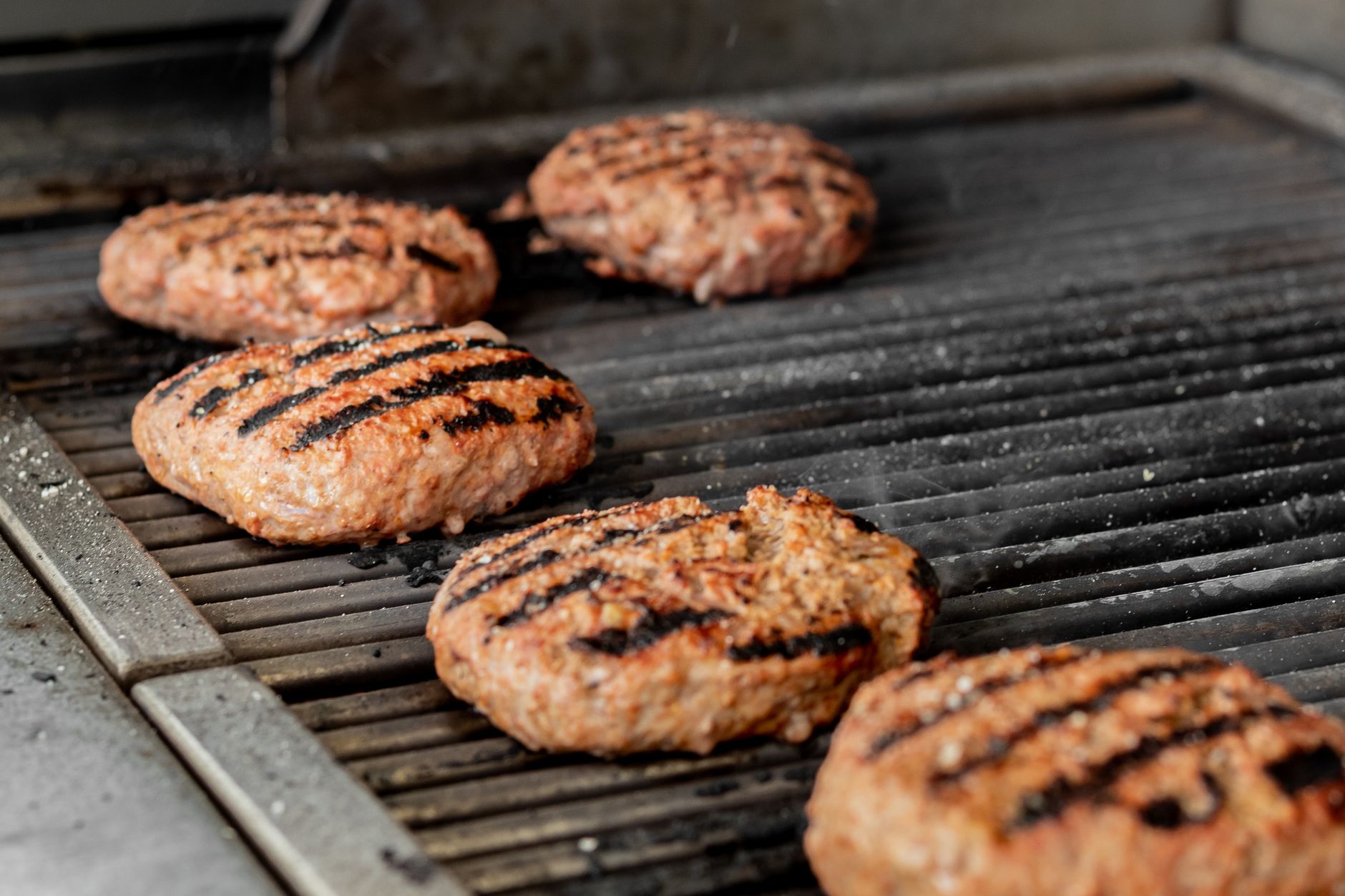
Cooking burgers is a quintessential part of many home and outdoor gatherings. Understanding the cooking times and the various factors that influence doneness can elevate your burger game tremendously. This guide covers everything from cooking times for different burger types to tips on achieving the perfect doneness.
The cooking duration for burgers generally depends on several factors, including the thickness of the patties, the cooking method, and the desired level of doneness. Here’s a detailed look at how long burgers typically take to cook and how to ensure a delicious outcome!
How Long Do Burgers Take to Cook?
The cooking time for burgers varies widely but typically ranges from 8 to 12 minutes. A few elements can influence the overall timing, such as the patty thickness, cooking method, and the intended doneness. Let’s break down these factors further.
Factors Affecting Cooking Time
1. Patty Thickness
The thickness of your burger patty is one of the most significant determinants of cooking time. Generally, thicker patties take longer to cook than thinner ones. Typical beef burger patties range from 1/4 inch to 1/2 inch in thickness.
2. Cooking Method
Different cooking methods lead to varying cooking times. Here are three common cooking techniques:
- Grilling: Ideal for outdoor barbecues, grilling usually takes 4-5 minutes per side for medium-rare burgers.
- Pan-Frying: Cooking burgers on a stovetop takes about 5-6 minutes per side depending on the heat. A cast-iron skillet is excellent for a nice crust.
- Baking: Baking is a hands-off method that usually requires about 15-20 minutes at 375°F (190°C).
3. Type of Meat
The type of meat used impacts cooking time. For instance:
- Beef: Most common, cooking times are as mentioned earlier.
- Pork: Pork burgers generally require a slightly longer cooking time to reach a safe internal temperature.
- Turkey or Chicken: Poultry should be cooked thoroughly, needing around 6-7 minutes per side for a well-cooked burger.
4. Temperature
The cooking temperature significantly affects how long it takes for burgers to cook. Higher temperatures (around 400°F to 450°F) usually yield faster cooking times, while lower temperatures may take longer to cook the same patty.
Internal Temperatures for Doneness
It’s crucial to ensure your burgers reach a safe internal temperature. The recommended temperatures for doneness are as follows:
- Rare: 120-125°F (49-52°C)
- Medium Rare: 130-135°F (54-57°C)
- Medium: 140-145°F (60-63°C)
- Medium Well: 150-155°F (65-68°C)
- Well Done: 160°F (71°C) and above
Using a meat thermometer is the most reliable way to check the internal temperature of your burger. Insert the thermometer into the center of the patty for an accurate reading.
Steps for Cooking Burgers
Here’s a straightforward method for cooking your burgers:
- Choose Your Meat: Use fresh ground beef, turkey, or chicken. For beef, an 80/20 meat-fat ratio is ideal for flavor and juiciness.
- Season the Patties: Season each side of the patties generously with salt and pepper. Optionally, you can add garlic powder, onion powder, or Worcestershire sauce for extra flavor.
- Preheat Cooking Surface: Preheat your grill, frying pan, or oven. Aim for medium-high heat if grilling or frying.
- Add the Patties: Carefully place the patties onto the cooking surface. Allow them to be undisturbed for optimal searing.
- Flip and Monitor: After 4-5 minutes, flip the patties and continue cooking until your desired internal temperature is achieved, checking with a meat thermometer.
- Toast the Buns: While your burgers finish cooking, toast the buns on the grill or in a pan until golden brown.
- Assemble: Once cooked to your desired doneness, remove the patties from heat, place them on the buns, and top with your favorite ingredients.
Common Mistakes to Avoid
To help you achieve the perfect burger, avoid these common pitfalls:
- Overworking the Meat: Handle the meat as little as possible; overworking can lead to tough burgers.
- Cooking at Too High a Temperature: It can burn the outside while leaving the inside undercooked. Moderate to high heat works best.
- Not Resting the Burgers: Allowing burgers to rest after cooking lets the juices redistribute resulting in a more flavorful experience.
Serving Suggestions
When it comes to burgers, the possibilities for toppings and sides are endless.
- Toppings: Fresh lettuce, ripe tomatoes, pickles, onions, melted cheese, avocado, and specialty sauces like aioli or barbecue can elevate your burger.
- Sides: Pair your burgers with crispy fries, sweet potato wedges, or even a refreshing coleslaw.
Make-Ahead Tips
If you want to prepare your burgers in advance, here are some helpful tips:
- Patty Preparation: Shape the patties and place them on a parchment-lined tray before freezing for later use.
- Storage: Burgers can be stored in the fridge for up to 2 days or frozen for up to three months. Wrap patties individually to prevent freezer burn.
- Preseasoning: Consider seasoning the patties before freezing to enhance flavor, but wait to add wet ingredients like sauces until just before cooking to maintain texture.
Frequently Asked Questions
Can I cook burgers from frozen?
Yes, you can cook burgers from frozen, but it will take approximately twice as long. Cook them over low heat initially to thaw, then increase heat for proper cooking.
Is it safe to eat burgers medium rare?
The safety of medium rare burgers largely depends on the type of meat. Ground beef can be safely consumed at medium-rare temperatures, provided it comes from a reputable source. However, poultry should always be fully cooked.
What is the best way to cook burgers?
The best cooking method depends on your taste preference. Grilling gives a smoky flavor, while pan-frying can create a crispy crust. Choose based on your convenience or desired taste profile.
Storage and Reheating Tips
Proper storage and reheating ensure your burgers maintain quality and safety:
- Refrigeration: Leftover cooked burgers can be stored in an airtight container in the refrigerator for up to 3 days.
- Freezing: Place cooked burgers in freezer bags or containers, ensuring to remove excess air, and they can be stored for up to 3 months.
- Reheating: To reheat, place burgers on a skillet over medium heat, flipping occasionally, until heated through. An oven can also be used at 350°F (175°C) for a softer bun.
Conclusion
Cooking burgers is an art that balances timing, temperature, and the right ingredients. By understanding how long burgers take to cook and employing the tips outlined in this guide, you can ensure that your burgers are juicy, flavorful, and cooked to perfection each time.
For more information on beef storage, explore how long ground beef is good for in the fridge, and check out our guide on how long to cook meatloaf at 375°F for more delicious meal ideas.