
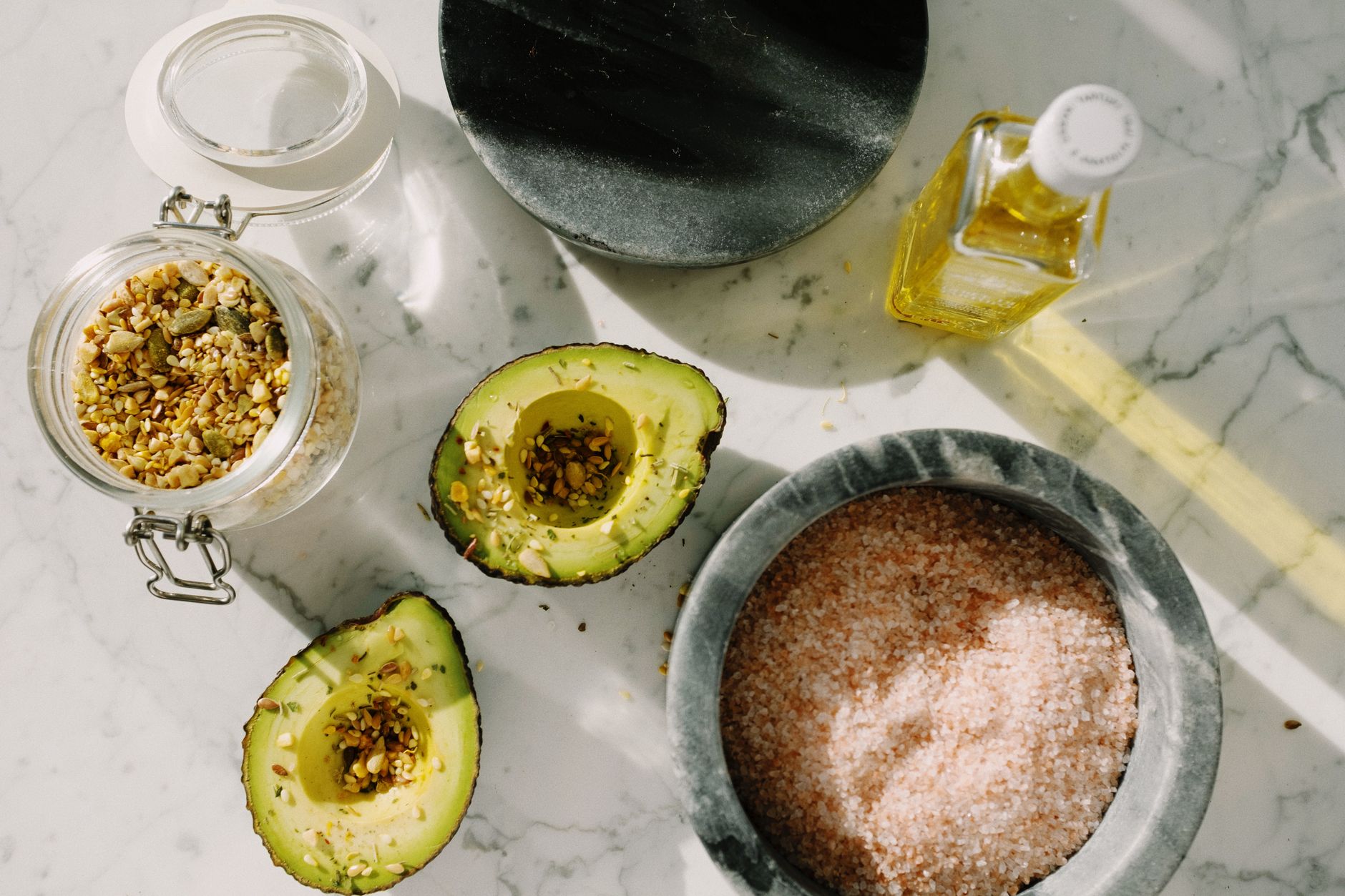
When looking to cook or bake, you may frequently encounter recipes that call for specific types of oil. Avocado oil is celebrated for its health benefits and unique flavor, while vegetable oil is a staple found in many kitchens. Understanding whether you can substitute one for the other is crucial for achieving desired results in your dishes.
This article explores the question of whether you can substitute vegetable oil for avocado oil. We will delve into the properties of both oils, their culinary uses, and practical tips for making the switch without compromising flavor or texture.
Can You Substitute Vegetable Oil for Avocado Oil?
Yes, you can substitute vegetable oil for avocado oil in most recipes. However, it’s important to consider the differences in flavor, smoke points, and nutritional qualities between the two oils. When making this substitution, you may need to adjust cooking times or methods slightly.
Understanding the Differences Between Vegetable Oil and Avocado Oil
To determine the effectiveness of substituting vegetable oil for avocado oil, it’s key to understand what distinguishes each oil.
1. Flavor Profile
Avocado oil has a distinct, buttery flavor with a slight nutty undertone, enhancing dishes without overwhelming them. Vegetable oil, often a blend of various oils like soybean, canola, and corn, has a neutral taste that allows it to blend unobtrusively into recipes.
2. Nutritional Benefits
Avocado oil is rich in monounsaturated fats, which are known for their heart-healthy benefits and can help reduce cholesterol levels. It also contains vitamins E and K and antioxidants that can promote skin health and provide anti-inflammatory effects. On the other hand, vegetable oil also contains unsaturated fats but lacks the same array of nutrients found in avocado oil.
3. Smoke Points
The smoke point of an oil is the temperature at which it starts to smoke and break down, which can lead to undesired flavors. Avocado oil has a high smoke point of around 520°F (271°C), making it suitable for high-heat cooking methods like frying and roasting. Vegetable oil generally has a smoke point ranging from 400°F to 450°F (204°C to 232°C), depending on the blend, which still makes it viable for various cooking techniques, but not as versatile as avocado oil.
When to Use Vegetable Oil Instead of Avocado Oil
Substituting vegetable oil for avocado oil can be useful in several situations:
- Baking: If a recipe calls for avocado oil, using vegetable oil instead will work well, especially in cakes, muffins, and quick breads, where the flavor of the oil is less prominent.
- For frying or sautéing, vegetable oil can be a suitable alternative, although it may not impart the same richness as avocado oil.
- While you can use vegetable oil, it may lead to a less flavorful dressing. Consider adding herbs or acidic elements like vinegar or lemon juice to enhance the taste.
How to Substitute Vegetable Oil for Avocado Oil
When substituting vegetable oil for avocado oil, follow these guidelines to achieve the best results:
- 1:1 Ratio: Use vegetable oil in equal amounts to replace avocado oil. For instance, if a recipe requires 1 cup of avocado oil, you can use 1 cup of vegetable oil.
- Consider Flavor Additions: Since vegetable oil is neutral, consider enhancing the flavor of your dish with additional seasonings or aromatics.
- Monitor Cooking Temperature: Maintain a watchful eye on cooking temperatures, particularly if the recipe calls for high-heat methods, to ensure you do not exceed the smoke point of the vegetable oil used.
Common Substitution Mistakes to Avoid
Substituting vegetable oil for avocado oil can go smoothly if done thoughtfully; however, there are some common mistakes to keep in mind:
- Ignoring Flavor: Do not assume that vegetable oil will provide the same flavor as avocado oil. Adjust additional seasonings to compensate.
- Not Considering Smoke Point: Ensure that frying or cooking temperatures do not exceed the smoke point of vegetable oil, which can lead to burnt flavors.
- Using Affected Products: If a recipe uses avocado oil for its unique health benefits, consider whether the swap will impact the health aspects you are aiming for.
Recipes Where You Can Make the Swap
To better illustrate how to substitute vegetable oil for avocado oil effectively, here are some easy recipes you can try:
Vegetable Oil Muffins
These muffins are simple to prepare and can be made using vegetable oil instead of avocado oil without any disruption in their texture or flavor.
- Yield: 12 muffins
- Preparation Time: 10 minutes
- Cooking Time: 20 minutes
- Total Time: 30 minutes
Ingredients:
- 2 cups all-purpose flour
- 1 cup granulated sugar
- 2 teaspoons baking powder
- 1/2 teaspoon baking soda
- 1/2 teaspoon salt
- 1/2 cup vegetable oil (substitute for avocado oil)
- 1 cup buttermilk
- 2 eggs
- 1 teaspoon vanilla extract
Method:
- Preheat your oven to 350°F (175°C) and line a muffin tin with paper liners.
- In a large bowl, mix flour, sugar, baking powder, baking soda, and salt.
- In another bowl, whisk together vegetable oil, buttermilk, eggs, and vanilla extract.
- Gradually combine the wet ingredients with the dry ingredients, mixing until just combined.
- Fill the muffin tins about two-thirds full with batter.
- Bake for 20 minutes or until a toothpick inserted into the center comes out clean.
- Allow the muffins to cool before serving.
Vegetable Oil Salad Dressing
A light dressing can be created with vegetable oil as a substitute that works well for salads.
- Yield: 1 cup dressing
- Preparation Time: 5 minutes
- Cooking Time: N/A
- Total Time: 5 minutes
Ingredients:
- 1/2 cup vegetable oil (substituting for avocado oil)
- 1/4 cup apple cider vinegar
- 1 teaspoon Dijon mustard
- Salt and pepper to taste
Method:
- In a bowl, whisk together the vegetable oil, apple cider vinegar, Dijon mustard, salt, and pepper until well combined.
- Adjust seasoning as desired, and use immediately or store in the refrigerator for up to a week.
Storage Tips for Oils
To ensure longevity and optimal flavor, proper storage of oils is crucial. Here are some tips for storing both avocado and vegetable oils:
- Keep Them Cool: Store oils in a cool, dark place away from heat sources to prevent spoilage.
- Use Airtight Containers: Use tightly sealed containers to keep oils fresh and prevent oxidation.
- Check for Freshness: Regularly check oils for rancidity, which can spoil flavor. An off or unusual odor usually indicates that oil is no longer good.
Conclusion
In summary, substituting vegetable oil for avocado oil is a practical choice in many recipes, but awareness of their distinct characteristics is essential. While vegetable oil can easily replace avocado oil in baking, frying, and dressings, some adjustments may be necessary to ensure your dish remains flavorful and appealing.
If you’re looking to explore more about oils or make similar ingredient substitutions, check out other articles such as Can You Substitute Avocado Oil for Olive Oil? and Can I Use Canola Oil Instead of Vegetable Oil? for further guidance.