
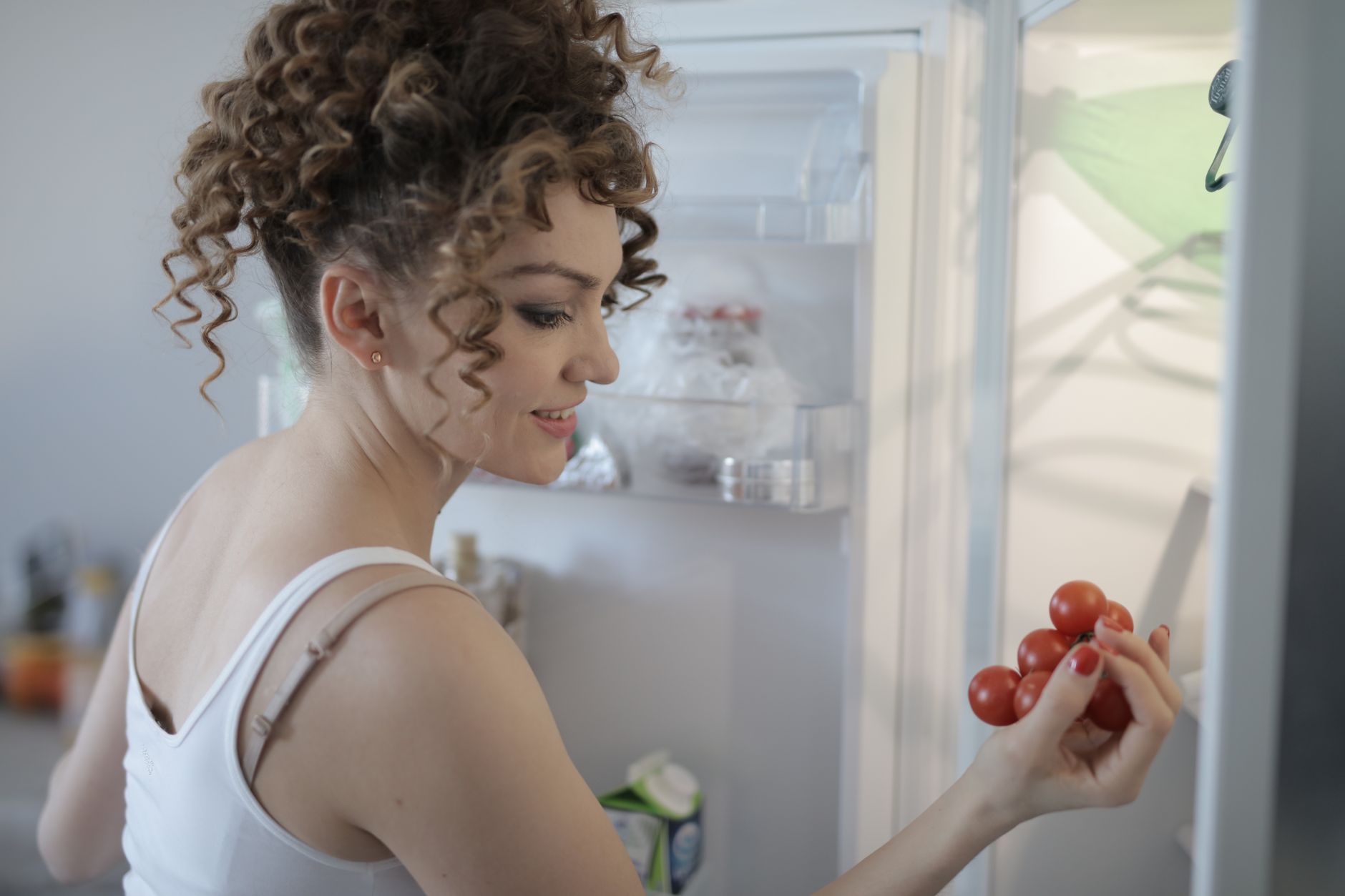
Tomatoes are a staple in many kitchens, cherished for their versatility in salads, sauces, and countless dishes. However, knowing how to properly store tomatoes to maximize freshness can often be a challenge. Understanding how long tomatoes can last in the fridge is crucial for minimizing waste and ensuring delicious meals.
This article will provide a comprehensive guide on the shelf life of tomatoes in the fridge, tips for properly storing them, and how to recognize when they are no longer fresh. Whether you grow your own or purchase them from the store, this information will help you use your tomatoes effectively.
How Long Can Tomatoes Last in the Fridge?
Tomatoes can typically last between one to three weeks in the refrigerator, depending on their ripeness at the time of storage. Store well-ripened tomatoes for the shorter duration and unripe ones longer. It’s essential to monitor their texture and aroma to ensure they haven’t spoiled.
Factors Affecting Tomato Storage Life
Before diving into storage tips, it’s important to understand the factors that influence how long tomatoes last in the fridge:
- Ripeness: Ripe tomatoes have a shorter shelf life than unripe ones. The more ripe the tomato, the quicker it will begin to break down.
- Type of Tomato: Different varieties have varying moisture content and skin texture, affecting longevity. For example, Roma tomatoes tend to last longer than cherry tomatoes.
- Storage Conditions: Temperature and humidity play a role. Consistently cold temperatures help prolong shelf life.
- Storage Method: How you store tomatoes—whole, sliced, or processed—affects how long they will stay fresh.
Best Practices for Storing Tomatoes
To prolong the freshness of your tomatoes, follow these best practices:
Keep Them Whole
Tomatoes should be stored whole in the fridge instead of sliced. Slicing increases exposure to air and bacteria, accelerating spoilage. If you have leftover cut tomatoes, store them in an airtight container and consume them within a few days.
Use Paper Towels
Wrap the tomatoes in a paper towel before placing them in the fridge. The towel will absorb excess moisture, reducing the chances of rot and mold growth.
Choose the Right Spot in the Fridge
Store tomatoes in the crisper drawer, where humidity is usually higher, and temperatures are more stable. Avoid placing them near foods that emit ethylene gas, such as bananas, as this can hasten ripening.
Don’t Store with Vegetables
Tomatoes are technically fruits, and storing them among vegetables can lead to faster spoilage due to the different respiration rates. It’s best to store them separately.
Monitor Temperature
The ideal refrigeration temperature for tomatoes is around 55°F (13°C). Although most refrigerators are set much colder, it can help to let tomatoes sit out for a bit after retrieval to bring them closer to room temperature before consuming.
How to Tell if Tomatoes Are Bad
Recognizing when tomatoes have spoiled is vital to food safety and culinary quality. Here are signs to look for:
- Soft Texture: If a tomato feels overly soft to the touch or has mushy areas, it’s beginning to spoil.
- Discoloration: Mold or dark spots are clear indicators that the tomato is no longer fresh.
- Unpleasant Odor: A sour or off smell means the tomato has gone bad and should be discarded.
- Wrinkling or Shriveling: While slightly shriveled tomatoes may still be usable, they are past their prime and unlikely to taste their best.
Can You Freeze Tomatoes?
If you have an abundance of tomatoes and you’re concerned about them going bad, freezing is an excellent option. Here’s how to do it:
- Wash and Dry: Rinse your tomatoes thoroughly to remove any dirt or residues.
- Core and Freeze: Core the tomato and place it in a freezer-safe bag. Alternatively, you can blanch them in boiling water for about 30 seconds for easier peeling before freezing.
- Date and Store: Label your bags with the date. Tomatoes can last for up to six months in the freezer.
When you’re ready to use frozen tomatoes, simply thaw them in the fridge, and they’ll be ready for soups, stews, or sauces!
Common Mistakes to Avoid
Certain storage practices can lead to the premature spoiling of tomatoes. Here’s what to avoid:
- Refrigerating Freshly Picked Tomatoes: If you’ve just harvested your tomatoes from the garden, avoid putting them in the fridge immediately. Let them ripen on a countertop away from direct sunlight for a few days.
- Ignoring Moisture: Excess moisture can lead to mold. Always ensure tomatoes are dry before storing them.
- Storing Near Ethylene-Producing Fruits: Keep tomatoes away from items like apples and bananas, which emit ethylene gas and cause tomatoes to ripen and spoil quickly.
Creative Uses for Overripe Tomatoes
If your tomatoes are nearing the end of their shelf life, don’t fret! There are plenty of creative ways to use overripe tomatoes:
- Tomato Juice: Blend them up for a refreshing drink or base for soups.
- Tomato Sauce: Cook down overripe tomatoes with garlic, herbs, and seasoning to create a delicious homemade sauce.
- Soups and Stews: Add them to soups or stews where their flavor can enhance the dish.
- Bruschetta: Combine diced overripe tomatoes with basil and olive oil for a quick appetizer.
Frequently Asked Questions
Can tomatoes be stored at room temperature?
Yes, unripe tomatoes should be stored at room temperature to promote ripening. Once ripe, it’s best to refrigerate them to prolong freshness.
Is it safe to eat soft tomatoes?
Soft tomatoes may still be edible if they have no signs of spoilage, such as mold or a foul smell. Use your best judgment.
What’s the best way to defrost frozen tomatoes?
The best way to thaw frozen tomatoes is to place them in the refrigerator overnight. They can also be placed in cold water for a quicker thaw.
Conclusion
Knowing how long tomatoes can last in the fridge and how to store them properly can significantly reduce food waste and enhance your culinary experience. Keep an eye on their ripeness, avoid common storage mistakes, and utilize overripe tomatoes cleverly. Armed with this knowledge, you can ensure your tomatoes are always at their best.
For further exploration, consider making refreshing tomato juice or a flavorful tomato gravy. Both options highlight the delicious versatility of tomatoes and keep your meals exciting.