
There is something utterly comforting about the smooth, creamy texture of a well-made Egg Custard. This classic dessert is a nostalgic treat that many of us associate with cozy family gatherings or Sunday dinners. With its rich flavor and velvety consistency, it’s a delightful dish that comes together effortlessly and can be enjoyed warm or chilled. Plus, its simple ingredients make it a versatile option that you can dress up with spices or toppings. Let’s dive into this timeless recipe that will surely impress your family and friends.
Why You’ll Love This Recipe
This Egg Custard is a dessert that never goes out of style. It’s a perfect blend of simplicity and elegance.
- Rich, creamy texture that melts in your mouth.
- Versatile enough to serve warm or cold.
- Easy to whip up with minimal ingredients.
- Perfect for any occasion, from casual to special events.
- Can be flavored in countless ways to suit your taste.
My Experience Making This Recipe
Making this Egg Custard is like a mini celebration in my kitchen. The aroma of vanilla wafting through the air while it bakes is simply irresistible.
When I first served it to my family, the smiles on their faces said it all. The creamy texture and subtle sweetness made it an instant favorite, and I’ve been asked to make it for every gathering since.
Recipe Overview
- Recipe Name: Egg Custard
- Servings: 4
- Prep Time: 10 minutes
- Cook Time: 40 minutes
- Total Time: 50 minutes
- Course: Dessert
- Cuisine: American
- Calories per Serving: 150
Equipment You Will Need
- Mixing bowl
- Whisk
- Measuring cups and spoons
- Oven-safe ramekins or custard cups
- Baking dish for water bath
- Oven
Ingredients for Egg Custard
- 2 cups milk
- 1/2 cup granulated sugar
- 4 large eggs
- 1 teaspoon vanilla extract
- 1/4 teaspoon salt
Ingredient Notes and Substitutions
- Milk: Provides creaminess; you can substitute with almond milk for a dairy-free option.
- Sugar: Sweetens the custard; try using honey or maple syrup for a different flavor.
- Eggs: Essential for texture; a flaxseed meal and water mixture can substitute for vegan options.
- Vanilla extract: Adds flavor; almond extract can be a nice twist.
- Salt: Balances sweetness; sea salt is a great substitute for regular salt.
How to Make Egg Custard
Step 1: Preheat the Oven
Preheat your oven to 350°F (175°C). This ensures your custard cooks evenly from the start.
Step 2: Prepare Ramekins
Place your ramekins in a baking dish. This will create a water bath, which helps regulate the heat while baking.
Step 3: Heat the Milk
In a saucepan, heat the milk over medium heat until it’s warm but not boiling. This step helps to dissolve the sugar smoothly.
Step 4: Mix Eggs and Sugar
In a mixing bowl, whisk together the eggs and sugar until smooth. This incorporates air, making your custard light and fluffy.
Step 5: Combine Mixtures
Slowly pour the warm milk into the egg mixture, whisking constantly. This prevents the eggs from scrambling and ensures a silky custard.
Step 6: Add Vanilla and Salt
Stir in the vanilla extract and salt. This enhances the flavor and complements the sweetness of the custard.
Step 7: Fill Ramekins
Carefully pour the custard mixture into the prepared ramekins. Fill them about three-quarters full to allow for expansion.
Step 8: Bake in Water Bath
Pour hot water into the baking dish until it reaches halfway up the sides of the ramekins. Bake for 40 minutes or until the custard is set but still jiggles slightly in the center.
Pro Tip: For a smoother custard, strain the mixture through a fine-mesh sieve before baking.
Tips for the Best Egg Custard
- Use fresh eggs for the best flavor and texture.
- Don’t rush the heating of the milk; it should be warm, not boiling.
- Experiment with flavors like nutmeg or cinnamon for a unique twist.
- Cool the custard before serving to enhance its creamy texture.
- Serve with a dollop of whipped cream for an extra treat.
Common Mistakes to Avoid
- Boiling the milk, which can cause the custard to curdle.
- Not whisking enough; this can lead to an uneven texture.
- Baking without a water bath; the custard may cook unevenly.
- Removing it from the oven too early; it should be set with a slight jiggle.
- Skipping the cooling step, which can affect the final texture.
Serving Suggestions
This Egg Custard is delightful on its own, but it pairs beautifully with various toppings.
- Fresh berries for a burst of flavor.
- Chocolate shavings for a decadent touch.
- Caramel sauce for added sweetness.
- A sprinkle of cinnamon for warmth.
- Whipped cream for extra creaminess.
Variations to Try
- Add a bit of lemon zest for a refreshing citrus twist.
- Incorporate coconut milk for a tropical flavor.
- Use chai spices for a warm, fragrant custard.
- Mix in some chocolate chips for a rich chocolate custard.
- Try different extracts, like almond or lemon, for varied flavors.
Dietary Adaptations
- Gluten-Free: This recipe is naturally gluten-free as it contains no flour.
- Dairy-Free: Substitute milk with almond or oat milk.
- Vegan/Vegetarian: Use egg replacers like flaxseed meal for a vegan version.
- Low-Carb/Keto: Replace sugar with a keto-friendly sweetener like erythritol.
Storage and Reheating
Refrigerator
Store any leftover custard in an airtight container in the fridge. It will last up to 3 days.
- Make sure it cools completely before sealing.
- Keep it covered to prevent it from absorbing odors.
Freezer
Freezing is not recommended as it can alter the texture. However, if you must, freeze in individual portions.
- Wrap tightly in plastic wrap and then place in a freezer bag.
- Use within 1 month for the best quality.
Reheating
Reheat gently in the oven or microwave. Avoid high heat to prevent curdling.
- Microwave in short bursts, stirring in between.
- Oven reheating should be done at a low temperature.
Nutrition Information
| Nutrient | Amount |
|---|---|
| Calories | 150 |
| Total Fat | 6g |
| Saturated Fat | 3g |
| Carbohydrates | 22g |
| Fiber | 0g |
| Sugar | 20g |
| Protein | 5g |
| Sodium | 100mg |
| Cholesterol | 120mg |
This information is approximate and may vary based on specific ingredients used.
Frequently Asked Questions
Can I use a different sweetener?
Yes, you can use honey, maple syrup, or a sugar substitute. Just adjust the quantity to taste.
Can I make this custard ahead of time?
Absolutely! It can be made a day in advance and stored in the refrigerator. Just give it time to cool before serving.
How should I store leftover custard?
Store it in an airtight container in the refrigerator for up to three days. Be sure it cools completely before sealing.
Why is my custard not setting?
This may happen if it was cooked at too high a temperature. Always bake in a water bath for gentle cooking.
Can I use egg substitutes?
Yes, you can use flaxseed meal mixed with water as an egg substitute for a vegan version. Just note that the texture may differ slightly.
Final Thoughts
Making your own Egg Custard is a rewarding experience that brings back fond memories and creates new ones. I encourage you to try this recipe and enjoy the delightful flavors.
For more delicious treats, check out my recipes for Bavarian Cream and Creamy Ramen. Happy cooking!
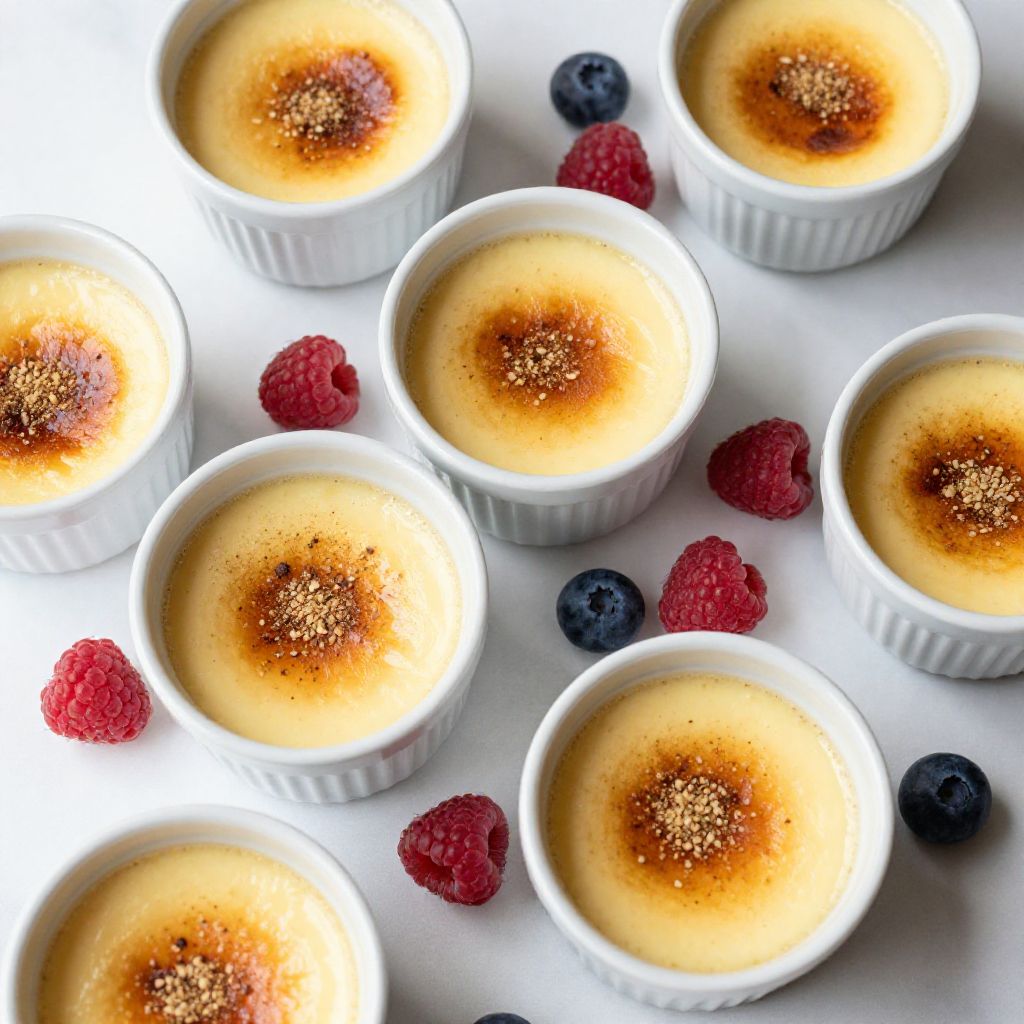
Egg Custard
Ingredients
Equipment
Method
- Preheat your oven to 350°F (175°C).
- Place oven-safe ramekins in a baking dish to create a water bath.
- Heat the milk in a saucepan over medium heat until warm but not boiling.
- In a mixing bowl, whisk together the eggs and sugar until smooth.
- Slowly pour the warm milk into the egg mixture, whisking constantly to prevent scrambling.
- Stir in the vanilla extract and salt until fully combined.
- Carefully pour the custard mixture into the prepared ramekins, filling them about three-quarters full.
- Pour hot water into the baking dish until it comes halfway up the sides of the ramekins, then bake at 350°F (175°C) for 40 minutes or until the custard is set but still jiggles slightly in the center.
- Remove ramekins from the water bath and let the custard cool slightly before serving warm or chilled.