
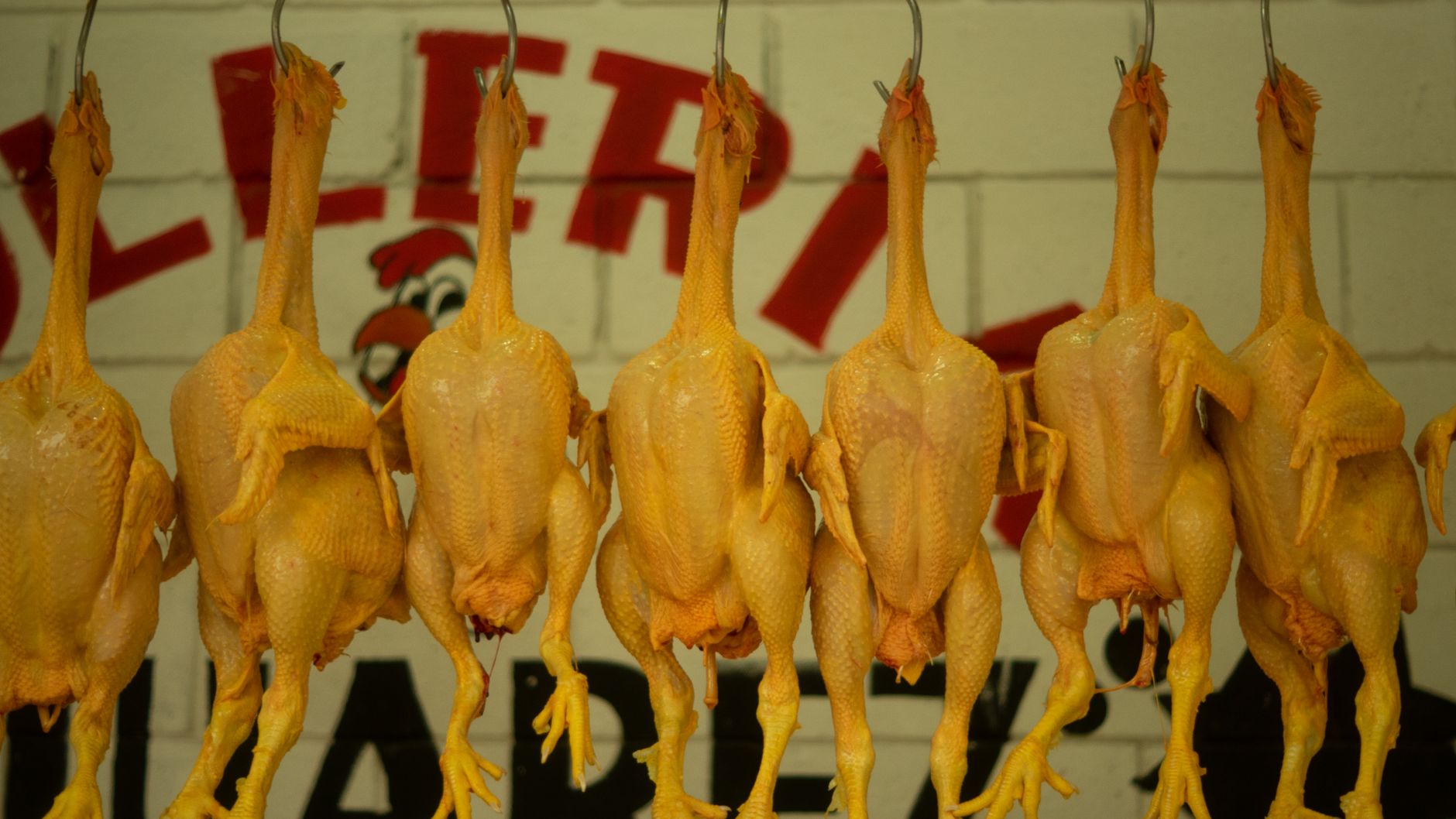
Understanding how long raw chicken can be safely kept in the fridge is critical for both food safety and quality. Improper storage can lead to foodborne illnesses, so it is essential to know the best practices for handling chicken. In this article, we will delve into the recommended storage times for raw chicken, how to ensure freshness, and tips for safe handling.
Chicken is a versatile ingredient used in countless recipes, but it can also be a source of bacteria if not stored correctly. This article aims to provide clear guidance on how long you can keep raw chicken in the fridge, along with tips on handling and cooking to ensure your meals are both delicious and safe.
How Long Can You Keep Raw Chicken in the Fridge?
Raw chicken can be safely stored in the refrigerator for 1-2 days according to food safety guidelines. This timeframe helps prevent the growth of harmful bacteria like Salmonella and Campylobacter, which can lead to food poisoning. If you plan to keep it longer than this, freezing it is the best option.
Understanding the Types of Raw Chicken
Raw chicken comes in different cuts, including whole chickens, breasts, thighs, wings, and drumsticks. While the storage time in the fridge is generally consistent for all types, it’s worth noting the following:
- Whole Chicken: Can be stored for 1-2 days.
- Chicken Breasts: 1-2 days of safe refrigeration.
- Chicken Thighs, Drumsticks, and Wings: Also fall under the 1-2 day rule.
Factors Affecting Storage Time
While 1-2 days is the standard guideline, several factors can affect how long raw chicken remains safe:
- Freshness at Purchase: Always check the sell-by date and buy chicken that is as fresh as possible.
- Storage Conditions: Chicken should be stored in the coldest part of the fridge, typically at temperatures below 40°F (4°C).
- Packing: Store chicken in a sealed container or its original packaging to prevent contamination.
Proper Storage Techniques for Raw Chicken
To maximize the freshness and safety of your raw chicken, consider the following storage techniques:
- Refrigerate Promptly: After purchasing, store raw chicken in the fridge as soon as possible, ideally within 2 hours.
- Use a Thermometer: Ensure your refrigerator is set to a temperature of 40°F (4°C) or lower.
- Airtight Containers: Transfer chicken to airtight containers if its original packaging is compromised. This helps prevent cross-contamination and keeps the chicken from absorbing other odors in the fridge.
- Keep Separate: Store raw chicken on the bottom shelf of the fridge to prevent juices from dripping onto other foods.
Signs of Spoiled Chicken
Even if chicken is kept within the recommended storage time, it’s essential to check for spoilage before cooking. Here are some common signs that chicken may have gone bad:
- Color Changes: Fresh chicken should be a pale pink color. If it appears gray or has green patches, it may be spoiled.
- Unpleasant Odor: If the chicken has a sour or off smell, it is best to discard it.
- Slimy Texture: Fresh chicken should be moist but not slimy. A slimy texture indicates spoilage.
Freezing Raw Chicken
If you need to store raw chicken for more than a few days, freezing it is a safe option. Frozen chicken retains its quality for several months, depending on the cut:
- Whole Chicken: Up to 1 year.
- Chicken Breasts: Up to 9 months.
- Thighs, Drumsticks, and Wings: Up to 6 months.
Freezing Techniques
To freeze raw chicken effectively, use the following techniques:
- Use Freezer Bags: Place chicken in a freezer-safe bag, and remove as much air as possible before sealing to prevent freezer burn.
- Label and Date: Always label your chicken with the date it was frozen to keep track of its storage time.
- Avoid Refreezing: Once chicken has been thawed, it should not be refrozen unless cooked first.
Thawing Frozen Chicken Safely
Thawing chicken incorrectly can lead to foodborne illnesses; therefore, it’s crucial to follow safe thawing methods:
- In the Refrigerator: The safest method is to place frozen chicken in the fridge overnight. This slow thaw keeps the chicken at a safe temperature.
- Cold Water Method: Submerge the chicken in cold water, changing the water every 30 minutes. Cook immediately after thawing.
- Microwave Thawing: If using the microwave, cook chicken immediately after thawing to prevent any bacteria growth.
Cooking Raw Chicken: Ensuring It’s Done Safely
Once you’ve stored and thawed your chicken properly, cooking it thoroughly is the next essential step in ensuring its safety. Chicken should always be cooked to an internal temperature of 165°F (74°C). Use a reliable meat thermometer in the thickest part of the meat to check the temperature.
Tips for Cooking Chicken
- Use Marinades: Marinating chicken enhances flavor and tenderness. However, make sure to marinate in the fridge, never at room temperature.
- Even Cooking: To ensure even cooking, consider pounding chicken breasts to a uniform thickness before cooking.
- Let it Rest: After cooking, let chicken rest for a few minutes. This allows juices to redistribute, preventing dryness.
Common Mistakes When Cooking Chicken
Avoid these common pitfalls to ensure safety and deliciousness:
- Underestimating Cook Time: Always use a thermometer and allow adequate cook time based on the size and cut of the chicken.
- Not Thawing Fully: Cooking partially frozen chicken can result in uneven cooking. Make sure it is completely thawed first.
- Cross-Contamination: Avoid mixing raw chicken juices with already cooked foods; wash hands and surfaces immediately after handling raw chicken.
Conclusion
Raw chicken can be safely stored in the fridge for only 1-2 days. For longer storage, it is advisable to freeze it. Understanding proper handling, storage techniques, and cooking methods is crucial for ensuring both food safety and delicious results in your meals.
For more information on chicken storage and safety, consider exploring our guides on how long chicken is good for in the fridge or how long chicken can sit out.