
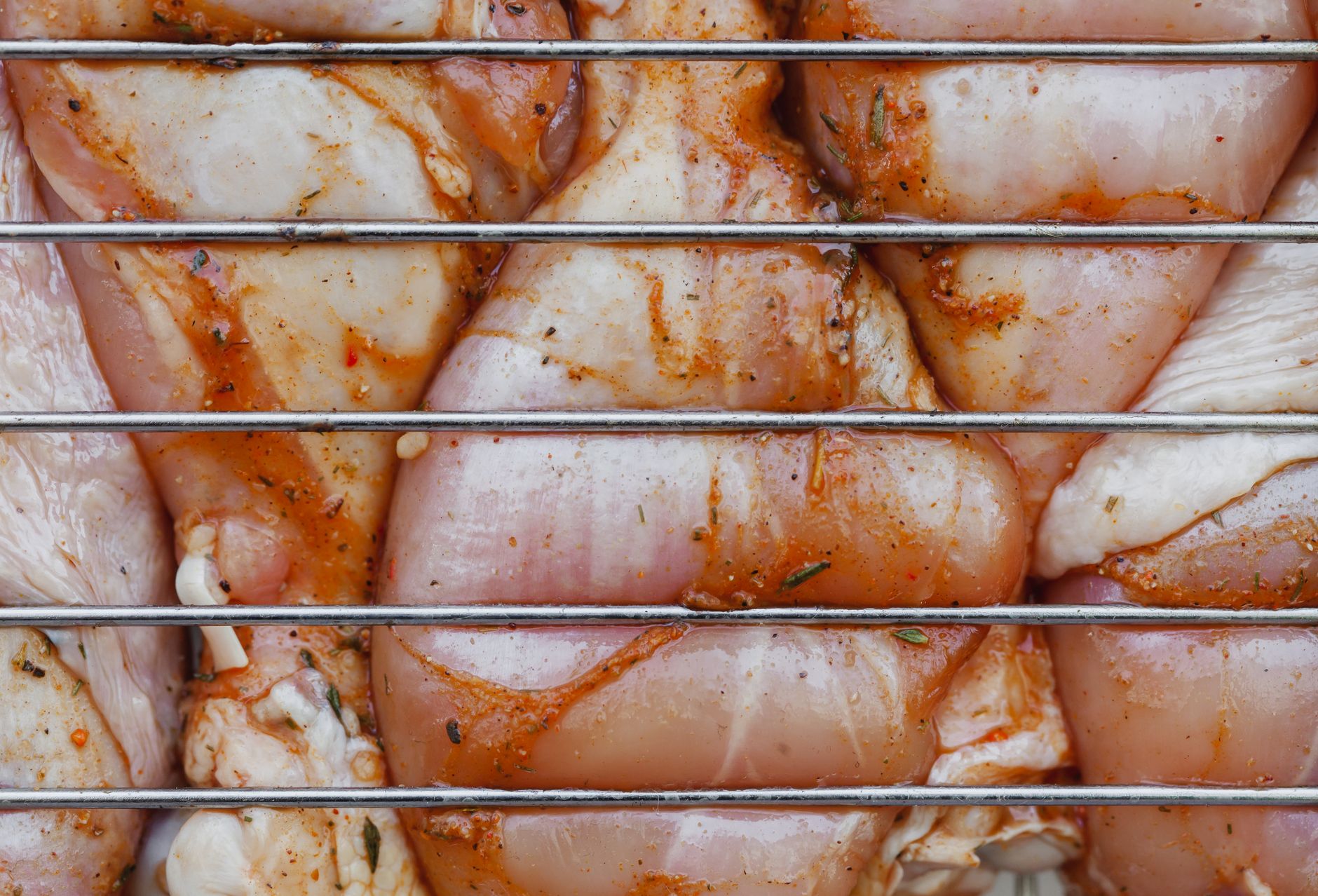
Understanding how long you can keep marinated chicken in the fridge is crucial for both safety and flavor. Marinating chicken infuses it with delicious flavors, but it’s essential to know the storage guidelines to prevent any foodborne illnesses. This guide will cover how long you can keep marinated chicken, best practices for marinating, and tips for storage.
Marinated chicken can be a versatile element in many meals, but like all perishable foods, it has a limited lifespan. Knowing how to properly store marinated chicken will ensure you get the most out of your culinary efforts while safeguarding your health.
How Long Can You Keep Marinated Chicken in Fridge?
You can safely keep marinated chicken in the fridge for 1 to 2 days. This timeframe allows the chicken to absorb the flavors without compromising food safety. If the marinated chicken exceeds this time frame, it’s best to discard it to prevent health risks.
Factors Affecting Marinade Shelf Life
Several factors can influence how long your marinated chicken will last in the refrigerator. Understanding these factors can help you make informed decisions about storage.
Type of Marinade
The ingredients in your marinade play a significant role in its longevity. Marinades containing acidic components (like vinegar or citrus juices) may help preserve the chicken longer than those with less acidity. This is due to the acidic environment inhibiting bacterial growth.
Temperature of the Fridge
Your refrigerator should maintain a temperature of 40°F (4°C) or below to ensure proper food safety. Higher temperatures can accelerate bacterial growth, reducing the safe storage timeframe for marinated chicken.
Chicken Freshness
The freshness of the chicken before marinating significantly affects its longevity. Fresh chicken will generally last longer than chicken that’s close to its expiration date at the time of marinating.
Packaging
How the chicken is packaged also matters. When stored in an airtight container or a well-sealed plastic bag, marinated chicken will have a longer shelf life compared to chicken left uncovered. Proper sealing prevents cross-contamination and keeps out odors from other foods.
Best Practices for Marinating Chicken
Enhancing the flavor of chicken through marination is simple, but there are specific best practices to follow. By adhering to these tips, you can maximize flavor while ensuring safety.
Choose the Right Marinade
- Acidic Marinades: Ingredients like lemon juice, vinegar, and yogurt work effectively to flavor and tenderize the chicken.
- Oil-Based Marinades: Olive oil or sesame oil as a base can help the marinade distribute evenly over the chicken.
- Herbs and Spices: Fresh or dried herbs, garlic, and spices are essential for adding depth of flavor.
Time Management
When marinating chicken, timing is key. Generally, chicken should be marinated for at least 30 minutes for flavor absorption but can be left for up to 2 days in the fridge. Avoid the temptation to marinate longer than 2 days, as it can lead to mushy texture from over-marination.
Refrigeration
Always marinate chicken in the refrigerator. This keeps the meat at a safe temperature and prevents the growth of harmful bacteria. Never marinate chicken at room temperature.
Reusing Marinade
If you wish to use the marinade as a sauce, always reserve some before adding the raw chicken. If you want to use the remaining marinade later, it must be boiled for a minimum of 5 minutes to kill any harmful bacteria.
Signs That Marinated Chicken Is Spoiled
No one wants to encounter spoiled food. It’s essential to know the signs that indicate that marinated chicken has gone bad, ensuring you always consume safe, quality meals.
- Off Smell: If the marinated chicken emits a sour or unpleasant odor, it is likely spoiled and should not be consumed.
- Texture Changes: If the chicken feels sticky or slimy, it’s a sign that it has gone bad. Fresh chicken should feel moist but not tacky.
- Color Changes: While some color changes are normal due to the marinade, any unusual gray or green tint can indicate spoilage.
Freezing Marinated Chicken
If you want to store marinated chicken for longer than 1 to 2 days, freezing is an excellent option. Freezing not only preserves flavor but also ensures safety.
Best Practices for Freezing Marinated Chicken
- Portion Sizes: Freeze marinated chicken in smaller portions to allow for easier thawing and cooking.
- Airtight Packaging: Use freezer bags or vacuum-sealed containers to minimize exposure to air, which can lead to freezer burn.
- Labeling: Always label your marinated chicken with the date and marinade type to ensure proper rotation and usage.
Thawing Frozen Marinated Chicken
When ready to use frozen marinated chicken, thaw it in the refrigerator overnight. This method ensures the chicken safely thaws without entering the danger zone for bacterial growth. For quicker options, you can also use the cold water method, ensuring the chicken remains sealed in its package during the thawing process.
Cooking Marinated Chicken
Once your marinated chicken is ready to cook, there are various delicious preparation methods. Each method can enhance the flavors contributed by the marinade.
Grilling
Grilling marinated chicken is a great way to achieve a smoky flavor and charred texture. Preheat your grill and cook the chicken until it reaches an internal temperature of 165°F (75°C). This typically takes about 6 to 8 minutes per side for boneless chicken breasts, depending on the thickness.
Baking
Baking marinated chicken is another straightforward method. Preheat your oven to 375°F (190°C), and place the chicken in a baking dish. Bake for about 25 to 30 minutes for boneless breasts or drumsticks, ensuring they reach the same safe internal temperature.
Sautéing
Sautéing marinated chicken on the stovetop allows for quick cooking and preserves moisture. Cook in a preheated skillet over medium-high heat for about 6 to 10 minutes, monitoring until the chicken is fully cooked.
Common Mistakes to Avoid When Storing Marinated Chicken
In the journey of marinating and storing chicken, certain pitfalls can be detrimental to safety and flavor. Here are common mistakes and how to avoid them.
Ignoring Food Safety Practices
Always prioritize food safety. Remember to keep raw and cooked chicken separate, use a separate cutting board, and wash your hands frequently. These practices will minimize the risk of cross-contamination.
Exceeding Storage Time
It can be tempting to stretch storage time, especially for deliciously marinated chicken. Stick to the recommended 1 to 2 days and use freezing as an alternative for longer storage.
Using Non-Airtight Containers
Not sealing your marinated chicken properly can invite bacteria and affect the quality. Invest in quality containers or resealable plastic bags that can withstand fridge and freezer conditions.
Serving Suggestions for Marinated Chicken
- Serve with Fresh Veggies: Pair grilled marinated chicken with a side of grilled or roasted seasonal vegetables for a nutritious meal.
- Over a Bed of Rice: Create a complete meal by serving marinated chicken over a bed of saffron or herb-infused rice.
- Salads: Add sliced grilled chicken to a green salad or a grain salad for a light, flavorful dish.
Storing Leftover Cooked Marinated Chicken
If you have leftover cooked marinated chicken, it also requires special attention for storage. Proper handling will help maintain its flavor and ensure safety.
Refrigeration
Cooked marinated chicken can be stored in the fridge for 3 to 4 days, provided it is in an airtight container. Ensure that the chicken is cooled completely before placing it in the refrigerator.
Freezing Cooked Marinated Chicken
For longer-term storage, cooked marinated chicken can be frozen. Use the same methods mentioned for freezing raw marinated chicken, ensuring it is sealed properly to prevent freezer burn.
Reheating
When reheating cooked marinated chicken, ensure it reaches an internal temperature of 165°F (75°C) before serving. This can be achieved through microwaving, oven heating, or using a stovetop skillet.
Conclusion
Knowing how long you can keep marinated chicken in the fridge is crucial for ensuring safety and maximizing flavor. By following best practices for marinating, storage, and cooking, you can enjoy delicious meals while keeping food safety at the forefront. Remember to use your senses—sight, smell, and touch—to determine freshness and safety.
For more insights about handling chicken, including how long chicken lasts in the fridge and tips on stored cooked chicken, be sure to check out our related articles on how long is chicken good for in the fridge and how long does cooked chicken last. Happy cooking!