
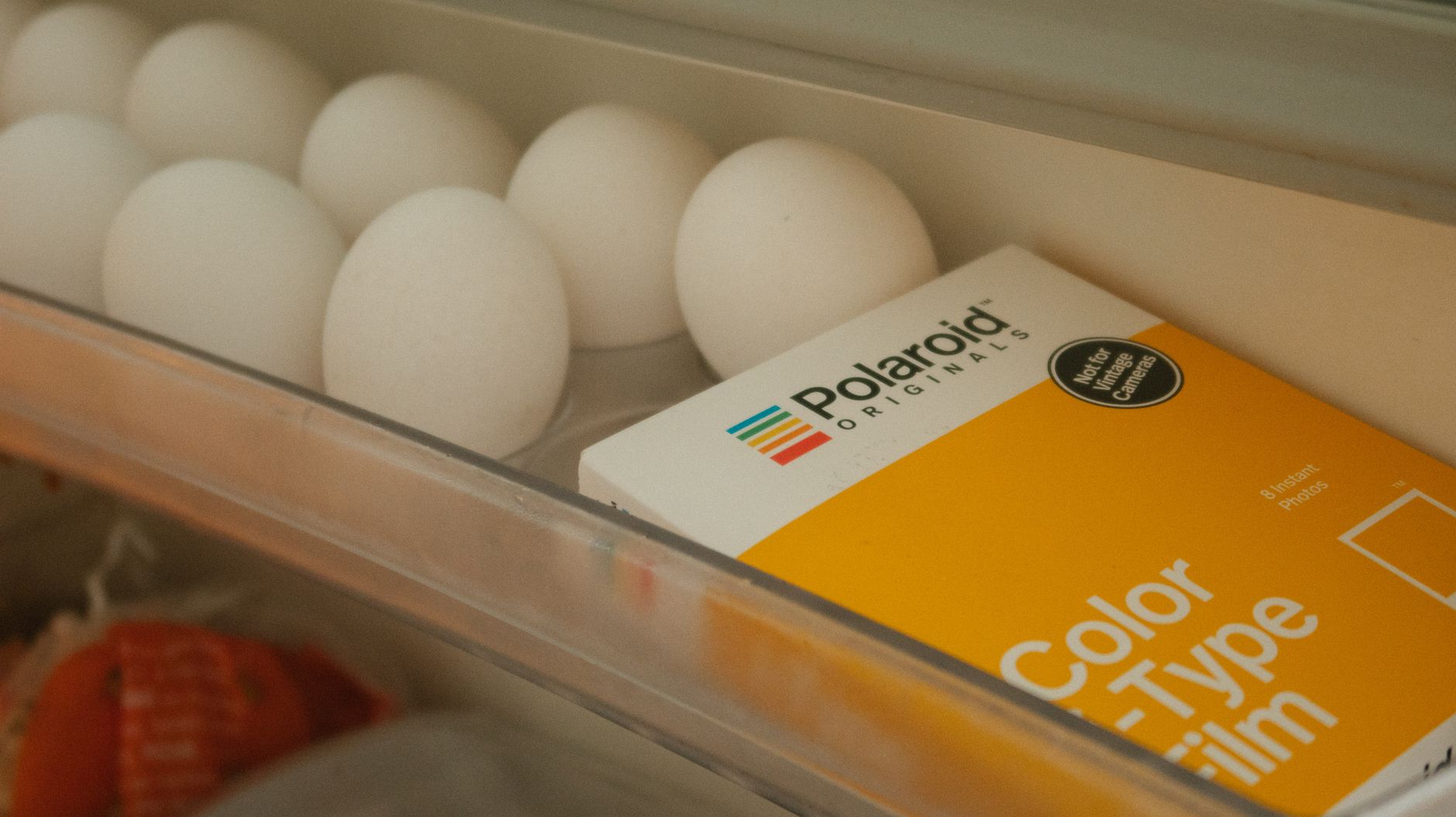
Eggs are a staple ingredient in many kitchens around the world, known for their versatility and nutritional value. However, knowing how to properly store eggs, especially how long they can stay in the fridge, is key to maintaining their quality and safety. Here, we will explore the guidelines for storing eggs in the fridge, factors that influence their shelf life, and tips for ensuring you get the most out of your eggs.
Whether you’re cracking them into a frying pan for breakfast, incorporating them into a baking recipe, or mixing them into a salad, understanding how long eggs last in the fridge can help you avoid waste and ensure food safety. Let’s dive into the details.
How Long Can Eggs Stay in the Fridge?
Eggs can stay in the fridge for about 3 to 5 weeks after the purchase date, although they can often remain safe to consume beyond this period if stored correctly. Always check for signs of spoilage before using them.
Factors That Affect Egg Shelf Life
Several factors play a role in determining how long eggs will last in the fridge:
- Purchase Date: Eggs typically come with a sell-by or expiration date. While they can be consumed a bit longer after these dates, it’s best to know how fresh they are.
- Storage Conditions: Proper storage is crucial. Keeping eggs in their original carton in the coldest part of the fridge (not in the door) helps maintain freshness.
- Egg Quality: The initial quality of the eggs impacts their longevity. Farm-fresh eggs generally have a longer shelf life than older supermarket eggs.
- Temperature Fluctuations: Keep your fridge at a consistent temperature below 40°F (4°C). Fluctuations can shorten the eggs’ lifespan.
Storage Guidelines for Eggs
To maximize the freshness and safety of your eggs, follow these storage guidelines:
- Keep Eggs Refrigerated: Store eggs in the fridge as soon as you purchase them. Keeping them cold slows bacterial growth.
- Store in Original Carton: The carton protects eggs from absorbing strong odors and flavors from other foods and helps prevent moisture loss.
- Do Not Wash Eggs: Washing eggs can remove their natural protective coating, potentially leading to spoilage. Only wash them if you’re about to use them.
- Monitor Expiration Dates: Keep an eye on the sell-by or expiration dates, but also consider performing tests to check for freshness.
How to Check Egg Freshness
If you’re unsure about the freshness of your eggs, use these simple tests to check:
The Water Test
- Fill a bowl with water and gently place the egg in it.
- If the egg sinks and lays flat on the bottom, it’s fresh.
- If the egg stands upright on the bottom, it’s still good but should be used soon.
- If the egg floats to the top, it is no longer safe to eat and should be discarded.
The Sniff Test
Crack the egg open and give it a sniff. If it has a bad odor, it’s spoiled and should be thrown away. Fresh eggs have little to no smell.
Using Eggs Beyond Their Sell-By Date
It’s often safe to use eggs beyond their sell-by date if they pass the freshness tests mentioned above. This is because these dates are primarily quality guidelines rather than strict safety deadlines. However, always prioritize safety over culinary expediency.
Cooking with Eggs Near Their Expiry
If your eggs are close to their expiration but still pass the freshness tests, consider using them in recipes that involve cooking them thoroughly, such as:
- Scrambled Eggs: A classic breakfast option.
- Baking: Use them in cakes, muffins, or bread where freshness is less critical after baking.
- Frittatas: Whisk them with vegetables and cheese for a delicious meal.
Common Mistakes When Storing Eggs
To ensure you’re getting the most from your eggs, avoid these common mistakes:
- Storing Eggs in the Door: The fridge door is the warmest part of the refrigerator. Keep eggs inside the main compartment for optimal storage.
- Using Damaged Eggs: Always inspect eggs before purchasing. Cracked shells can expose the contents to bacteria.
- Freezing Whole Eggs: While you can freeze eggs, they should never be frozen in their shells. Instead, crack them open, beat them, and store in a freezer-safe container.
Freezing Eggs for Long-Term Storage
If you have eggs that you won’t use before they spoil, freezing them can be a great solution. Here’s how to do it safely:
How to Freeze Eggs
- Crack the eggs into a bowl and whisk until blended.
- Pour the mixture into ice cube trays or small freezer-safe containers, leaving some space for expansion.
- Label the containers with the date and type of egg (whole, yolks, or whites).
- Seal and place in the freezer. Frozen eggs can last up to a year.
Thawing Frozen Eggs
When ready to use, transfer the eggs to the refrigerator for several hours or overnight. They can also be thawed in a bowl of cool water but should be used the same day.
Common Questions About Egg Storage
Here are some frequently asked questions regarding egg storage that might provide additional insights:
Can Eggs Be Left Out Overnight?
While eggs can sit out for a short period, it’s best to refrigerate them as soon as possible. If eggs are left out at room temperature for more than two hours, they should be discarded to prevent the risk of bacterial growth.
What About Farm-Fresh Eggs?
Farm-fresh eggs may not need refrigeration right away, thanks to their natural protective coating. However, once washed or if they have been in contact with the slightest bit of moisture, they should be refrigerated.
How to Store Egg Whites and Yolks Separately?
If you find yourself with leftover egg whites or yolks, store them separately. Egg whites can be frozen in airtight containers, while yolks are best mixed with a pinch of salt or sugar and stored in the refrigerator for one to two days.
Conclusion
Knowing how long eggs can stay in the fridge and understanding proper storage can help you enjoy them safely and waste-free. Always check for freshness before use and remember that careful attention to storage can significantly extend their shelf life. If you have any eggs nearing their expiration, consider using them in delicious cooked dishes or freezing them for future use.
For related insights on storage, feel free to explore more about how long you can keep eggs in the refrigerator or learn how long eggs last after the sell-by date.