
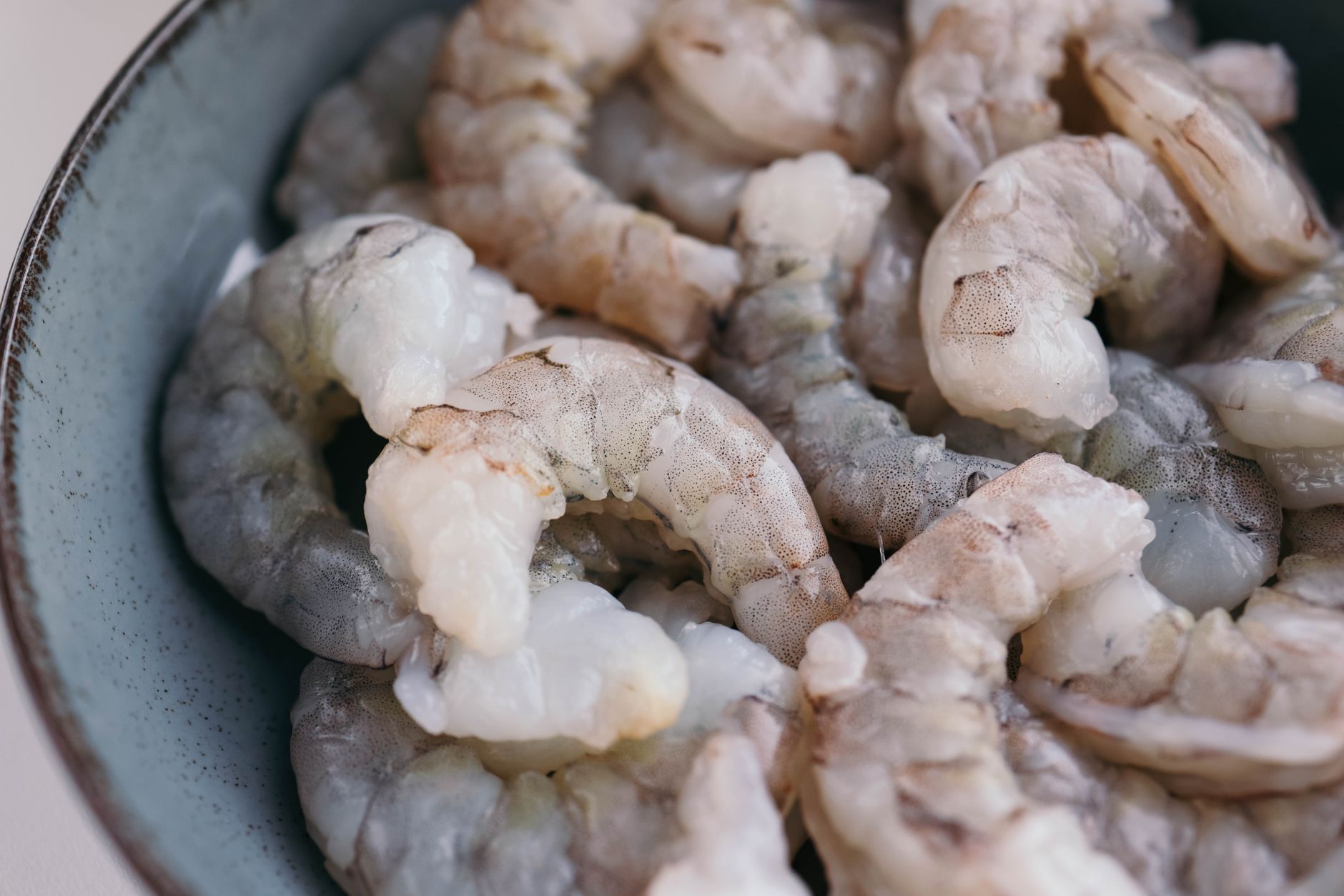
Ensuring that seafood, particularly shrimp, is stored safely is essential for both flavor and food safety. For anyone who loves cooking with shrimp, understanding how long defrosted shrimp can stay in the fridge is crucial for planning meals. Shrimp is a versatile ingredient that can be used in an array of dishes, but it must be handled correctly to avoid health risks.
This guide will explore how long you can keep defrosted shrimp in the fridge, as well as best practices for thawing, storing, and cooking shrimp safely.
How Long Can Defrosted Shrimp Stay in the Fridge?
Defrosted shrimp can typically be stored in the refrigerator for up to 1 to 2 days. It’s important to ensure that they are kept at a temperature below 40°F (4°C) to prevent bacterial growth. Always check for any signs of spoilage before cooking to ensure your seafood dish is both delicious and safe.
The Importance of Proper Thawing
Thawing shrimp safely is just as important as how long you store them afterward. Improper thawing can lead to bacterial growth and spoilage. Here are the recommended methods to thaw shrimp:
- Refrigerator Method: The safest way to thaw shrimp is to place them in the refrigerator overnight. This is also the slowest method but ensures the shrimp stay at a consistent, safe temperature.
- Cold Water Method: If you’re short on time, place the shrimp in a sealed plastic bag and submerge them in cold water. Change the water every 30 minutes to maintain a safe temperature. They should be ready to cook in about 1 to 2 hours.
- Microwave Method: You can use a microwave to thaw shrimp, but this method can sometimes lead to uneven thawing. If you choose this method, cook the shrimp immediately after thawing, as some may begin to cook in the microwave.
Best Storage Practices for Defrosted Shrimp
Proper storage is key to maintaining the quality and safety of your defrosted shrimp. Here are useful tips for storing shrimp in the fridge:
- Use Airtight Containers: Store thawed shrimp in airtight containers or resealable plastic bags. This minimizes exposure to air, which can lead to freezer burn and spoilage.
- Label and Date: When storing, label the containers with the date of defrosting. This helps keep track of how long they have been stored.
- Keep at the Correct Temperature: Always keep your refrigerator at 40°F (4°C) or lower to ensure that thawed shrimp do not spoil quickly. Use a refrigerator thermometer to check the temperature.
How to Tell If Shrimp Has Gone Bad
Knowing how to identify spoiled shrimp is crucial for food safety. Here are some signs that your defrosted shrimp may no longer be safe to eat:
- Off Smell: Fresh shrimp should have a mild scent. If it smells overwhelmingly fishy, sour, or ammonia-like, it’s best to discard it.
- Color Change: Fresh shrimp typically have a translucent appearance. If you notice any discoloration or a dull, gray color, it may be spoiled.
- Texture: Fresh shrimp should feel firm and moist. If they feel slimy or sticky, they are likely no longer safe to eat.
Cooking Defrosted Shrimp
Once thawed and stored properly, shrimp is ready for cooking. Here’s a quick guide on how to best cook your defrosted shrimp:
- Sautéing: This is perhaps the most common way to prepare shrimp. Heat a tablespoon of oil in a skillet over medium-high heat, add the shrimp, and cook for 3-5 minutes until they turn pink and opaque.
- Boiling: Bring a pot of water to a boil, add the shrimp, and cook for 2-3 minutes. Do not overcook, as this can make shrimp rubbery.
- Grilling: Marinate your shrimp for added flavor and grill them on medium heat for 2-3 minutes on each side.
- Baking: Preheat your oven to 400°F (200°C), spread shrimp with seasoning on a baking sheet, and bake for 10-12 minutes.
Practical Tips for Handling Shrimp Safely
To maximize the freshness of your shrimp and ensure food safety, consider these practical handling tips:
- Wash Your Hands: Always wash your hands before and after handling raw shrimp to prevent cross-contamination.
- Use Separate Utensils: Use separate cutting boards and utensils for raw shrimp to avoid contaminating other foods.
- Cook It Thoroughly: Shrimp should be cooked to an internal temperature of 145°F (63°C). Use a food thermometer to ensure accuracy.
- Freeze for Longer Storage: If you don’t plan to cook the shrimp within 1 to 2 days after thawing, it’s best to freeze them. Make sure to use airtight packaging to prevent freezer burn.
Freezing Shrimp: A Comprehensive Guide
If you find yourself with shrimp that you can’t use right away, freezing is an excellent option. Here’s how to do it properly:
How to Freeze Fresh Shrimp
- Clean the Shrimp: Remove the shells and devein them if necessary. Rinse under cold water and pat dry.
- Pack for Freezing: Place shrimp in a single layer on a baking sheet to freeze individually. Once frozen, transfer them to airtight containers or freezer bags. Remove as much air as possible.
- Label: Write the date on the packaging so you can keep track of how long your shrimp have been frozen.
- Store: Frozen shrimp can last up to 6-12 months in the freezer, but for best quality, use within 3-6 months.
Thawing Frozen Shrimp
Thawing frozen shrimp should be done with the same care as defrosted shrimp. Use the refrigerator method, cold water method, or microwave method as outlined earlier.
Recipe Ideas for Fresh Shrimp
Once you have your defrosted shrimp ready, consider trying these delicious recipes to make the most of their flavor:
- Shrimp Sauce Recipe: A tangy and flavorful sauce that complements many shrimp dishes.
- Shrimp Curry Recipe: A hearty and warming dish, perfect for any time of the year.
Common Mistakes When Storing or Cooking Shrimp
Even experienced cooks can make mistakes when handling shrimp. Here are some common pitfalls to avoid:
- Not Checking Freshness: Always check the sell-by date and inspect the shrimp before purchasing. Ask your fishmonger for advice if you’re unsure.
- Overcooking: Shrimp goes from perfect to rubbery very quickly. Keep a close eye on them while cooking.
- Thawing at Room Temperature: Never thaw shrimp at room temperature, as this can promote bacterial growth.
Conclusion
Understanding how long defrosted shrimp can stay in the fridge and how to handle them safely is vital for both food quality and health. By following proper thawing, storing, and cooking practices, you can enjoy delicious shrimp dishes without any worry. For your next meal, be sure to explore recipes that highlight the delightful flavors and versatility of shrimp.
For more related recipes and cooking tips, check out our Shrimp Sauce Recipe and Shrimp Curry Recipe.