
Cornstarch is a common thickening agent in many kitchens, favored for its fine texture and ability to create a smooth, glossy finish in sauces and gravies. However, there are times when you might find yourself without cornstarch, whether due to dietary restrictions, availability, or a simple lack of stock. Understanding what can substitute cornstarch can help you maintain the intended texture and flavor of your dishes.
This article will explore various substitutes for cornstarch, providing you with insights on how to use them effectively in your cooking and baking. We’ll delve into swapping ratios, adjustments you might need to make, and situations where these alternatives shine.
What Can Substitute Cornstarch?
There are several viable substitutes for cornstarch in cooking and baking. Common alternatives include all-purpose flour, potato starch, arrowroot powder, and tapioca starch. Each of these substitutes has its unique properties, making them suitable for different applications. Understanding their characteristics will help you choose the best fit for your specific recipe.
Cornstarch Overview
Before diving into substitutes, it’s important to understand cornstarch itself. Cornstarch is derived from the endosperm of corn kernels and is prized for its ability to thicken mixtures without adding flavor. It’s often used in sauces, puddings, gravies, and some baked goods. Cornstarch thickens effectively at lower temperatures than flour, making it a popular choice for quick cooking methods.
Common Substitutes for Cornstarch
1. All-Purpose Flour
All-purpose flour is one of the most readily available substitutes for cornstarch. However, it has a distinct flavor and requires a different thickening method.
- Substitution Ratio: Use 2 tablespoons of all-purpose flour for every 1 tablespoon of cornstarch.
- Texture and Flavor: Flour may create a cloudier finish than cornstarch; it also contributes a slightly nutty flavor.
- Application: It’s ideal for soups and stews, where a more robust texture is acceptable. Be sure to cook it for a longer time to eliminate the raw flour taste.
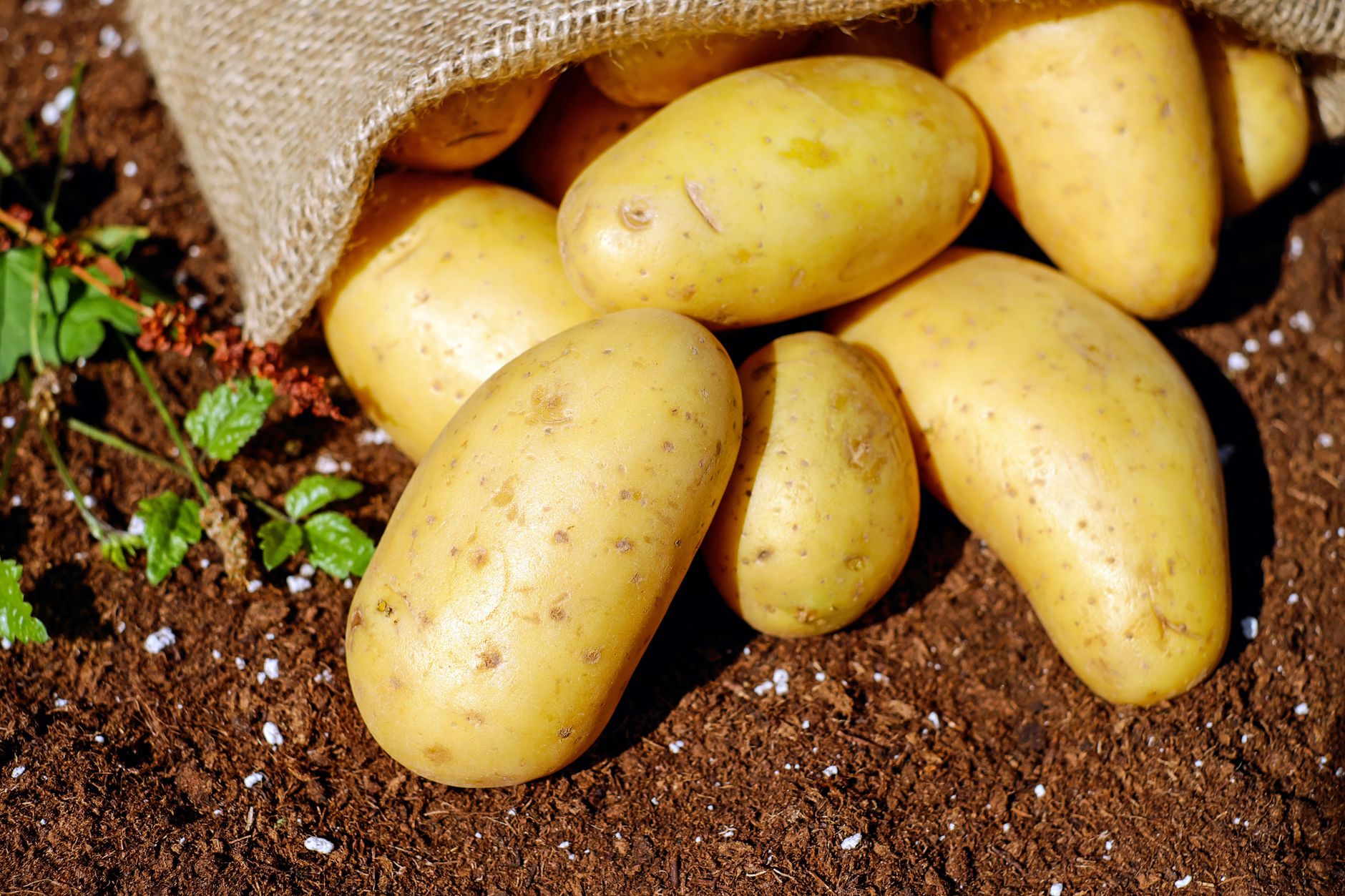
2. Potato Starch
Potato starch is an excellent gluten-free option that thickens quickly and creates a smooth texture.
- Substitution Ratio: Use a 1:1 ratio for potato starch to replace cornstarch.
- Texture and Flavor: Potato starch provides a glossy finish without any potato flavor.
- Application: It’s perfect for sauces and gravies and works well in cold dishes, like puddings.
3. Arrowroot Powder
Arrowroot powder is another gluten-free alternative that is often favored for its neutral flavor and smooth texture.
- Substitution Ratio: Replace cornstarch with an equal amount of arrowroot powder.
- Texture and Flavor: Arrowroot provides a glossy finish and does not add any flavor, making it suitable for delicate sauces.
- Application: It’s ideal for sauces that will be frozen, as it retains its thickening ability better than cornstarch when reheated.
4. Tapioca Starch
Tapioca starch, derived from the cassava root, is a versatile thickener that performs well in sauces and desserts.
- Substitution Ratio: Use 2 tablespoons of tapioca starch for every 1 tablespoon of cornstarch.
- Texture and Flavor: Tapioca provides a clear, glossy finish and a slightly chewy texture.
- Application: Best used in pie fillings and combined with fruit, it thickens quickly but can break down if cooked for too long.
5. Rice Flour
Rice flour is a great gluten-free substitute, especially when used in Asian cuisine.
- Substitution Ratio: Replace cornstarch with 2 tablespoons of rice flour for every tablespoon of cornstarch.
- Texture and Flavor: Rice flour has a more granular texture, which may be palpable in finished dishes.
- Application: Excellent for thickening soups and making batters for frying.
Guidelines for Using Substitutes
When opting for a cornstarch substitute, it’s essential to consider the cooking method and the dish’s intended outcome. Here are guidelines to help you make the best choice:
- Cooking Time and Temperature: Cornstarch thickens at lower temperatures. Alternatives like flour require longer cooking times to eliminate raw taste. Keep this in mind when adjusting the cooking process.
- Liquid Ratios: Different thickeners absorb liquid differently. Some may require less liquid or additional cooking time to achieve the desired thickness.
- Acidity Sensitivity: Some starches like arrowroot can lose their thickening ability in acidic environments. If you are using acidic ingredients, you may want to choose a starch that holds up well, such as tapioca.
Common Mistakes to Avoid
When substituting cornstarch, some common pitfalls can lead to unsatisfactory results. Keeping the following mistakes in mind will improve your cooking:
- Not Adjusting Ratios: Using the wrong substitution ratio can lead to either a thinner or overly thick mixture. Measure carefully to ensure proper consistency.
- Overcooking: Some substitutes, like tapioca starch and arrowroot powder, can lose their thickening power if cooked for too long. Watch your cooking time closely.
- Forgetting to Prepare: Ensure that the substitute is well mixed with a bit of cold liquid before adding it to hot mixtures. This helps to avoid clumping.
Practical Tips for Adjustments
Making adjustments based on the specific dish will improve your results when substituting cornstarch with another thickener. Here are additional tips:
- Start Small: Add your substitute gradually and check the thickness before adding more. It’s easier to add than to remove excess thickener.
- Monitor the Finish: When using flour, be aware that the final dish may appear less clear than if using cornstarch. This is perfectly acceptable in many dishes.
- Allow for Cooling: Some sauces thicken as they cool. If you feel your mixture is too thin, let it sit for a few moments before deciding to add more thickener.
Storage and Shelf Life of Substitutes
Storage will vary based on the substitute used. Here are guidelines for some common substitutes:
- All-Purpose Flour: Store in a cool, dry place. Shelf life is approximately 1 year if kept unopened and properly sealed.
- Potato Starch: Store in an airtight container in a cool, dry environment. It can last for several years.
- Arrowroot Powder: Keep in a cool, dry spot. Shelf life can extend to about 2-3 years if sealed properly.
- Tapioca Starch: Store similarly, and it can last up to 2 years without issues.
- Rice Flour: Once opened, use within 6 months to ensure freshness, though it can last longer in a cool, dry place.
Recipes to Try with Cornstarch Substitutes
Exploring different recipes where these substitutes can shine will enhance your culinary experience:
- Fruit Pie Filling: Use tapioca or arrowroot powder as a thickener in fruit pies. They help maintain the fruit’s flavor and provide a glossy finish.
- Thickened Sauces: Consider using potato starch or all-purpose flour when making sauces for meats or pasta. They will add body and richness.
- Soup Thickener: Rice flour or all-purpose flour can be used in hearty soups, providing a creamy texture without compromising flavors.
- Pudding and Custards: Arrowroot powder is ideal for thickening puddings, creating a smooth and velvety texture.
- Gravy: Substitute with all-purpose flour or potato starch for a rich, delightful gravy to accompany roasted meats.
Conclusion
Knowing what can substitute cornstarch empowers you to cook without limitations. While cornstarch’s unique properties make it a favorite among many cooks, there are plenty of alternatives that can seamlessly replace it when needed. Depending on your recipe and dietary preferences, the appropriate substitute will ensure that your dishes maintain their intended texture and flavor.
For more useful cooking tips, explore related topics such as what can substitute vanilla extract or alternatives to Worcestershire sauce. These resources can help you navigate through ingredient swaps in your cooking journey.