
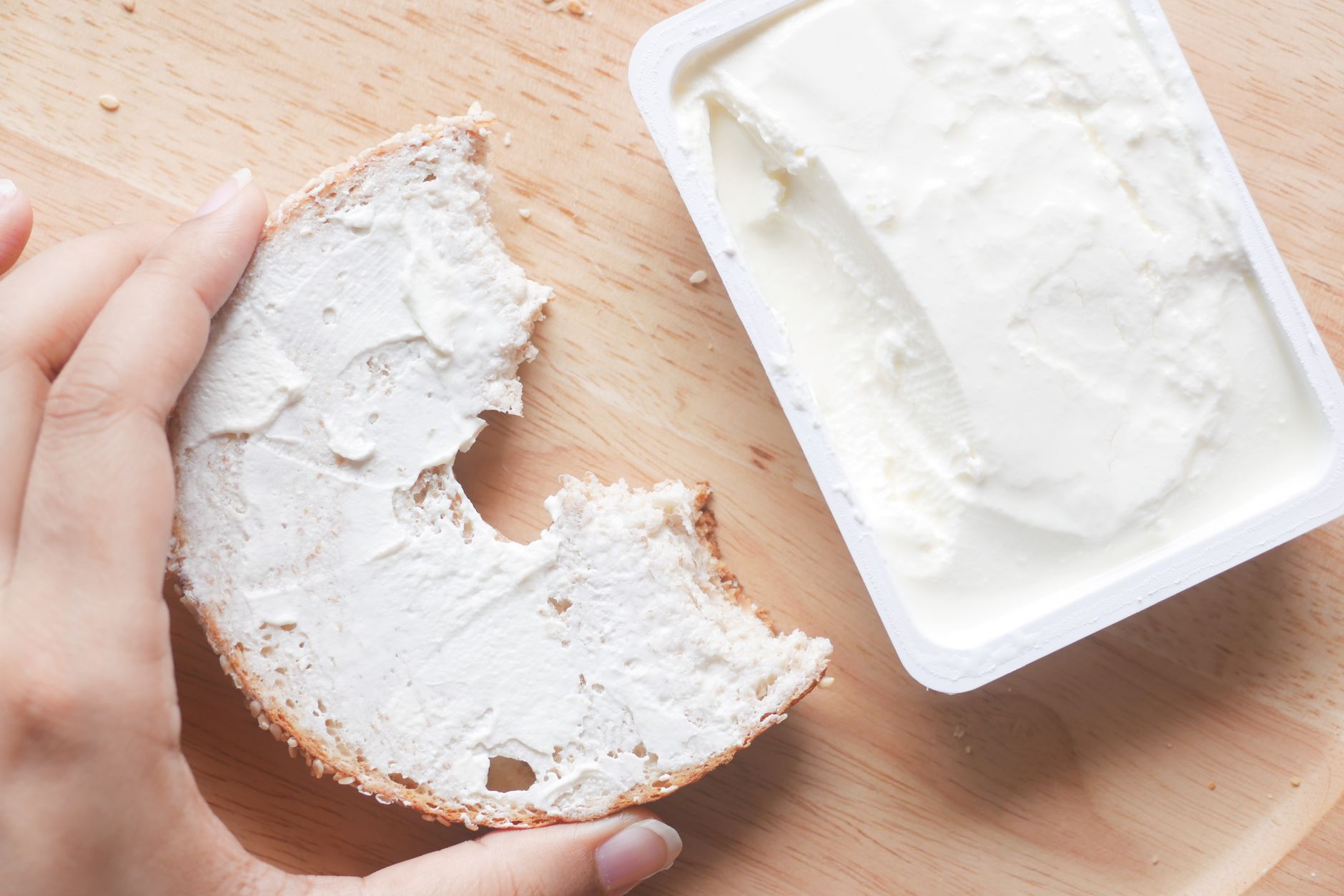
Cream cheese is a versatile ingredient loved for its creamy texture and rich flavor. It’s commonly used in both sweet and savory dishes, making it a staple in many kitchens. However, knowing how long cream cheese can safely stay out at room temperature is essential for food safety and maintaining quality.
This article explores the proper handling and storage of cream cheese, how long it can be left out, and tips for using it safely in various recipes. Whether you’re hosting a party or simply enjoying it as a spread, these guidelines will ensure your cream cheese remains delicious and safe to eat.
How Long Can Cream Cheese Stay Out?
Cream cheese can typically be kept at room temperature for up to two hours. If the room temperature exceeds 70°F (21°C), it is advisable to reduce the time to one hour. Beyond these time limits, the risk of bacterial growth increases, making the cream cheese potentially unsafe to consume.
Understanding the safety guidelines around cream cheese is crucial because improperly stored dairy products can harbor harmful bacteria that lead to foodborne illness. Here, we break down why it’s significant to adhere to these time limits and how you can enjoy cream cheese safely.
Understanding Cream Cheese
Cream cheese is a soft, spreadable cheese made from milk and cream. It’s known for its mild flavor and creamy texture, making it a popular choice in a variety of dishes, from bagels to cheesecake. Cream cheese contains about 33% fat and a high moisture content, which is part of why it’s so delicious but also why it requires careful handling.
Types of Cream Cheese
- Regular Cream Cheese: The traditional type, rich and creamy with a fat content typically around 33%.
- Low-Fat Cream Cheese: A lighter version, with less fat, but it might have more stabilizers to maintain consistency.
- Whipped Cream Cheese: Lighter and fluffier, it’s often used as a spread but may contain added air and stabilizers.
- Flavored Cream Cheese: Infused with herbs, spices, or other flavorings, used as a spread or in various dishes.
Safe Storage Tips for Cream Cheese
To ensure the quality and safety of cream cheese, follow these storage guidelines:
- Refrigerate: Always store cream cheese in the refrigerator when not in use. Keep it sealed tightly to prevent it from absorbing odors and moisture.
- Check Expiration Dates: Always consume cream cheese within the expiration date indicated on the packaging for the best quality and safety.
- Avoid Cross-Contamination: Use a clean knife or utensil each time to scoop fresh cream cheese, preventing any bacteria from getting into the product.
- Freeze for Long-term Storage: If you have cream cheese that you won’t consume by the expiration date, consider freezing it. Cream cheese can be frozen for up to two months.
What Happens If Cream Cheese Is Left Out Too Long?
Leaving cream cheese out for extended periods poses a risk of bacterial growth. Cream cheese, like most dairy products, is susceptible to contamination if not handled properly. When left at room temperature, bacteria such as Listeria and E. coli can multiply quickly, particularly between 40°F (4°C) and 140°F (60°C), the temperature danger zone for food safety.
Consuming cream cheese that has been left out too long can lead to foodborne illnesses, characterized by symptoms such as nausea, vomiting, diarrhea, and abdominal cramps. If in doubt about the safety of cream cheese left out, it is best to err on the side of caution and discard it.
Using Cream Cheese Safely in Recipes
Here are a variety of delicious ways to use cream cheese, ensuring that it is kept safe and enjoyable:
1. Cream Cheese Spreads
One of the most common uses for cream cheese is as a spread. Here’s how to safely prepare and store cream cheese spreads:
- Make in Small Batches: Prepare only what you need for immediate use to reduce waste.
- Flavored Spreads: Mix in herbs, garlic, or spices. For example, a simple garlic and chive cream cheese spread can be a delightful addition to crackers or bagels.
- Storage: Store any leftover spread in an airtight container in the refrigerator and consume within three days for optimal freshness.
2. Baking with Cream Cheese
Cream cheese is a popular ingredient in various desserts, particularly cheesecakes. If making a cheesecake or muffins, ensure the cream cheese is at room temperature before mixing for a smooth batter.
Tips for Baking:
- Bring to Room Temperature: Allow cream cheese to soften to room temperature before use. This improves incorporation into batters.
- Use Fresh Cream Cheese: Always check the expiration date before using it in baking.
- Store Baked Goods Properly: If using cream cheese in baked goods, such as cheesecakes, store them in the refrigerator and consume within three to five days.
3. Cream Cheese Dips
Cream cheese can be an excellent base for dips, perfect for parties and gatherings. Here’s a quick guideline for making a delicious cream cheese dip:
- Use Fresh Ingredients: Combine cream cheese with fresh herbs, spices, and other ingredients like sour cream or mayonnaise.
- Keep Chilled: If serving at a gathering, keep the dip chilled in an ice bath to maintain a safe temperature.
Example Recipe: Herbed Cream Cheese Dip
- In a bowl, mix 8 oz of softened cream cheese with 1/4 cup sour cream.
- Add minced garlic, chopped chives, and parsley. Stir well.
- Season with salt and pepper to taste.
- Serve with crackers or vegetable sticks; refrigerate any leftovers.
Common Mistakes When Using Cream Cheese
Even experienced cooks can make mistakes when using cream cheese. Here are some common pitfalls and how to avoid them:
- Using Cold Cream Cheese: Always bring cream cheese to room temperature before mixing into batters or spreads to avoid lumps.
- Not Storing Properly: Failing to seal the cream cheese tightly can lead to spoilage. Always ensure the container is airtight.
- Ignoring Expiration Dates: Consuming cream cheese past its expiration date can pose a health risk. Always check it before use.
Conclusion
Cream cheese is a delightful and versatile ingredient that can enhance various dishes when handled safely. Remember to keep track of how long it’s at room temperature and always store it properly.
Incorporating cream cheese into your meals can be both safe and rewarding. For more ideas on using this delicious ingredient, explore our recipes for cream cheese Rangoon and cream cheese mints!